Chinese automakers use Canada as testbed for U.S. expansion
BYD, Lotus and other Chinese brands are lining up Canadian dealerships after Ottawa eased EV tariffs, using a 1.9 million-car market to rehearse for the U.S.
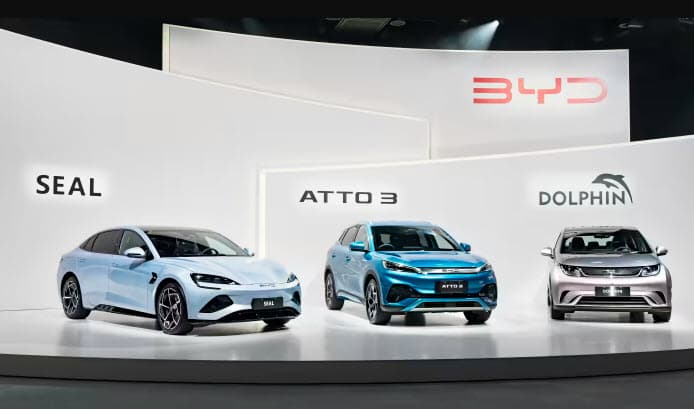
Chinese automakers are turning Canada into a proving ground, with BYD planning six dealerships, Lotus aiming for about half a dozen, and Chery and Changan preparing their own Canadian entries as they look past the border toward the far larger U.S. market. The strategy follows Ottawa’s decision to cut the tariff on Chinese-made electric vehicles to 6.1 percent and allow up to 49,000 vehicles at the lower rate in 2026, with the quota rising to 70,000 over five years.
The market opened further after Mark Carney’s January reset in trade policy, and the first Chinese-made EVs arrived in Canada in May. Global Affairs Canada data show 2,910 Chinese-made electric passenger vehicles entered the country that month under the reduced-duty arrangement, a small number by North American standards but enough to give Chinese brands a foothold in compliance filings, dealer negotiations and customer testing. Canada had imposed a 100 percent surtax on Chinese EVs in 2024, underscoring how quickly the policy environment changed.
For companies such as BYD, the world’s largest EV maker, Canada offers more than sales volume. An advisory firm is helping identify locations for its planned dealerships, and the company has already started compliance procedures to import two passenger cars into the country. Lotus, the Geely-owned luxury sports-car brand, is planning a limited launch aimed at only a few hundred cars, while Changan has its own team working on a Canadian rollout. Chery held its first meetings with Canadian dealers just two weeks after Carney’s January announcement, an early sign that manufacturers see the country as a place to learn how a North American distribution network actually works.

That makes the politics of the deal more than a bilateral trade story. Ontario Premier Doug Ford has called the arrangement lopsided and warned that Chinese manufacturers are gaining a foothold at the expense of Canadian workers. Unifor has pressed Ottawa to keep the Chinese EV surtax in place to protect auto jobs. The stakes are amplified by the size gap between the two markets: Canada sold about 1.9 million cars last year, compared with more than 16 million in the United States.
That disparity is exactly why the Canadian launch matters. If Chinese brands can learn service networks, dealer relations, regulatory compliance and consumer response in Canada, they will enter the U.S. with a running start, even if tariffs and political resistance make the American market far harder to crack.
This article was produced by Prism’s automated news system from verified source data, official records, and press releases, then run through automated quality and moderation checks before publishing. The system is built and supervised by the people who set the standards it runs under. Read our full AI policy.
Know something we missed? Have a correction or additional information?
Submit a Tip