Swiss president heads to US to secure tariff deal
Guy Parmelin is heading to Washington to lock in a 15% tariff cap, as Swiss pharma and exporters face fresh pressure and U.S. farmers seek market access.
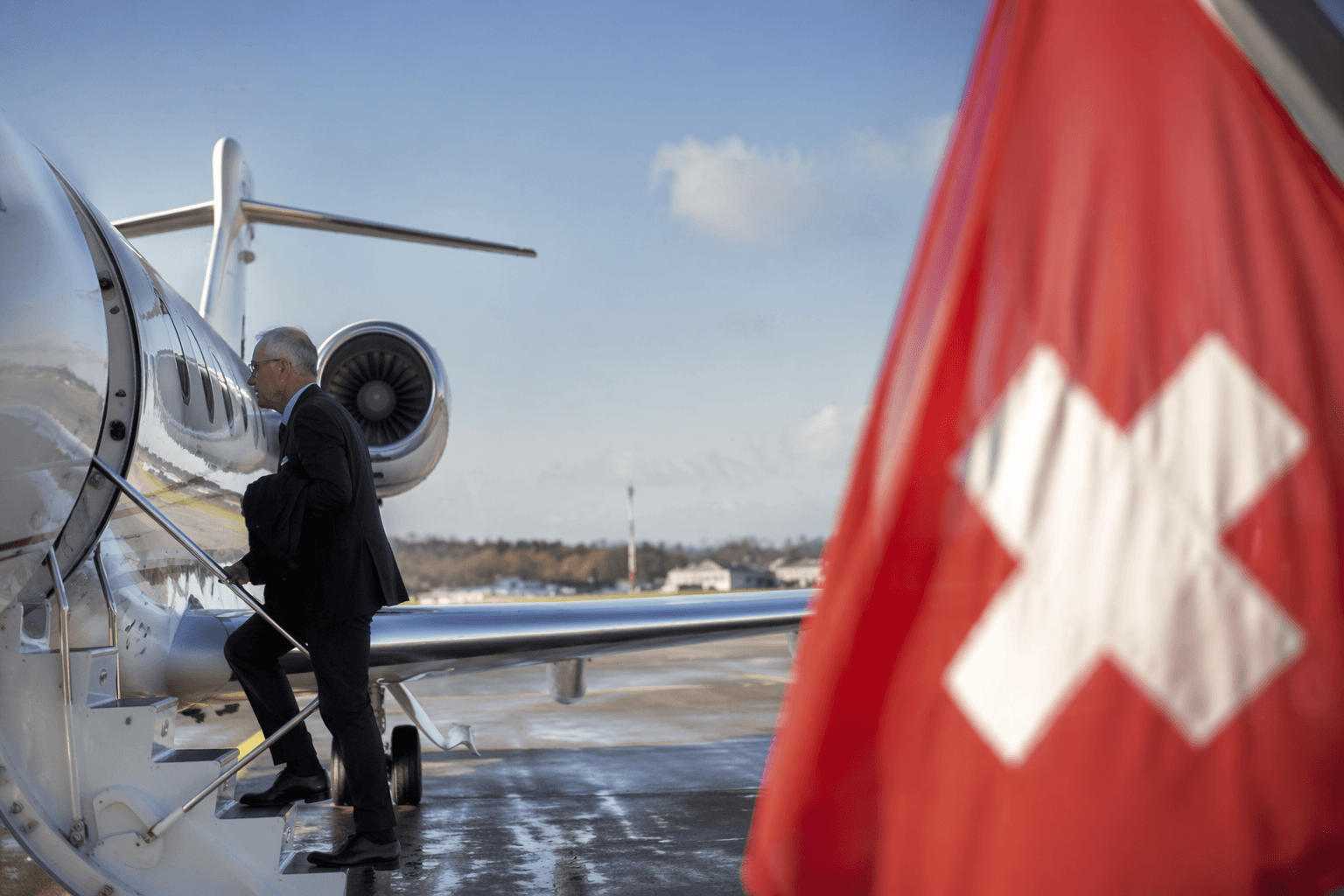
Guy Parmelin is heading to the United States next week to meet U.S. Trade Representative Jamieson Greer as Bern tries to turn a preliminary tariff truce into a durable deal. The Swiss president, who also serves as economy minister, will make the trip during a North American tour running from June 29 to July 9 that also includes Canada and Mexico, underscoring how even wealthy trading partners are being forced to compete for tariff certainty under Donald Trump.
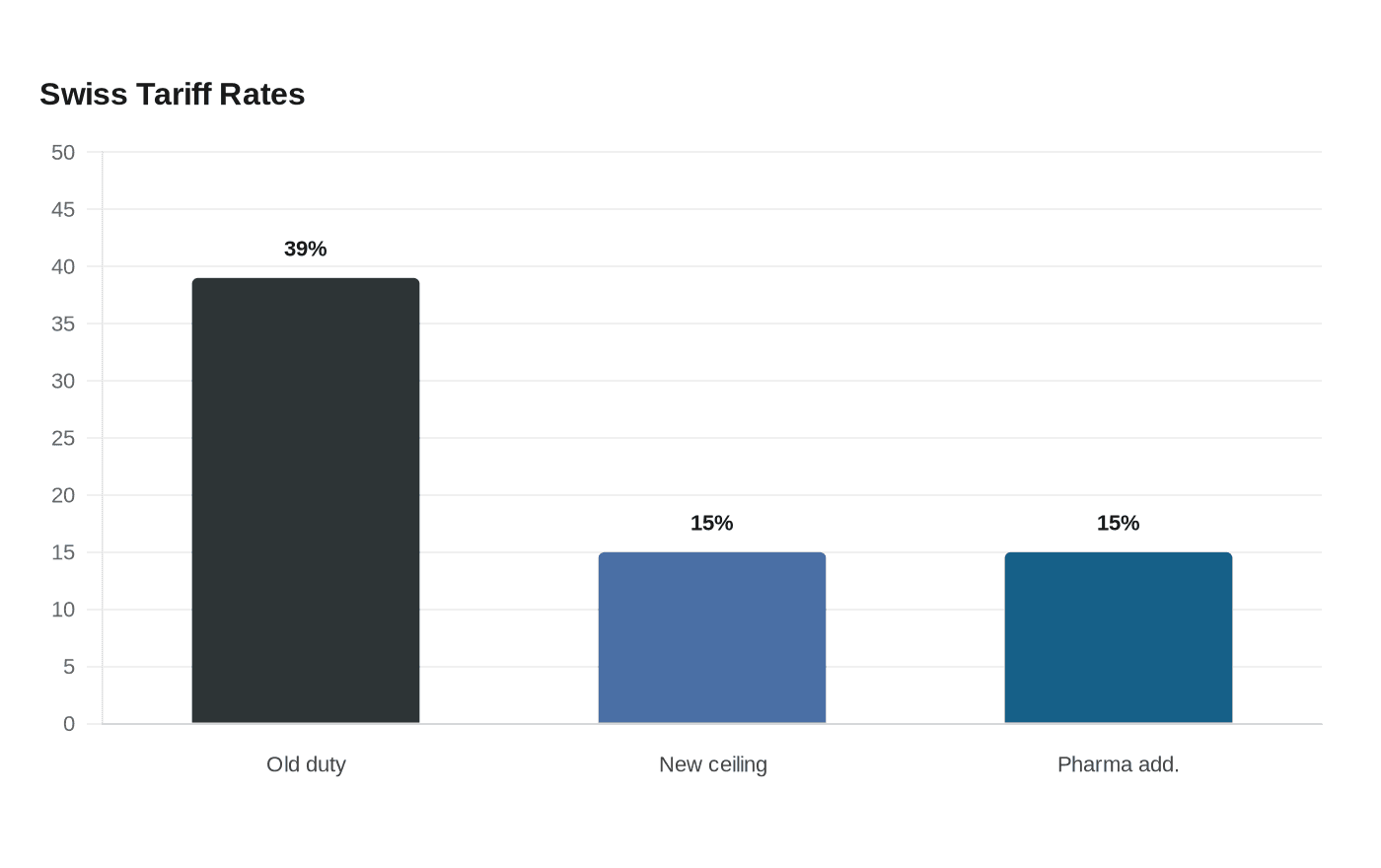
The central prize for Bern is to preserve the lower tariff ceiling that replaced the earlier 39 percent U.S. duty on Swiss imports. Under the November 14, 2025 framework involving Switzerland, Liechtenstein and the United States, Washington said it would apply a cumulative reciprocal tariff rate of no higher than 15 percent to Swiss and Liechtenstein goods, while the Swiss government later said that ceiling would apply retroactively from that date. The White House also said the 2024 U.S. goods trade deficit with Switzerland and Liechtenstein was $38.5 billion and set a goal of eliminating it by 2028.
Swiss companies have already put real money on the table. Under the framework, they pledged to invest $200 billion in the United States by the end of 2028, with at least $67 billion expected in 2026 alone. The parties also said they aimed to conclude negotiations by the first quarter of 2026, a deadline that has turned this week’s diplomacy into a test of whether a temporary arrangement can become a final settlement.

The sectors most exposed on the Swiss side are the ones tied most closely to tariffs and regulatory certainty. Economiesuisse said the U.S. announced additional Section 232 tariffs on pharmaceutical products on April 2, 2026, with Swiss pharma exports facing added duties of up to 15 percent, subject to product- and company-level exceptions. That matters because pharmaceuticals are central to Swiss exports, and any formal agreement that holds the tariff line at 15 percent would give drugmakers a clearer basis for investment and supply-chain planning.
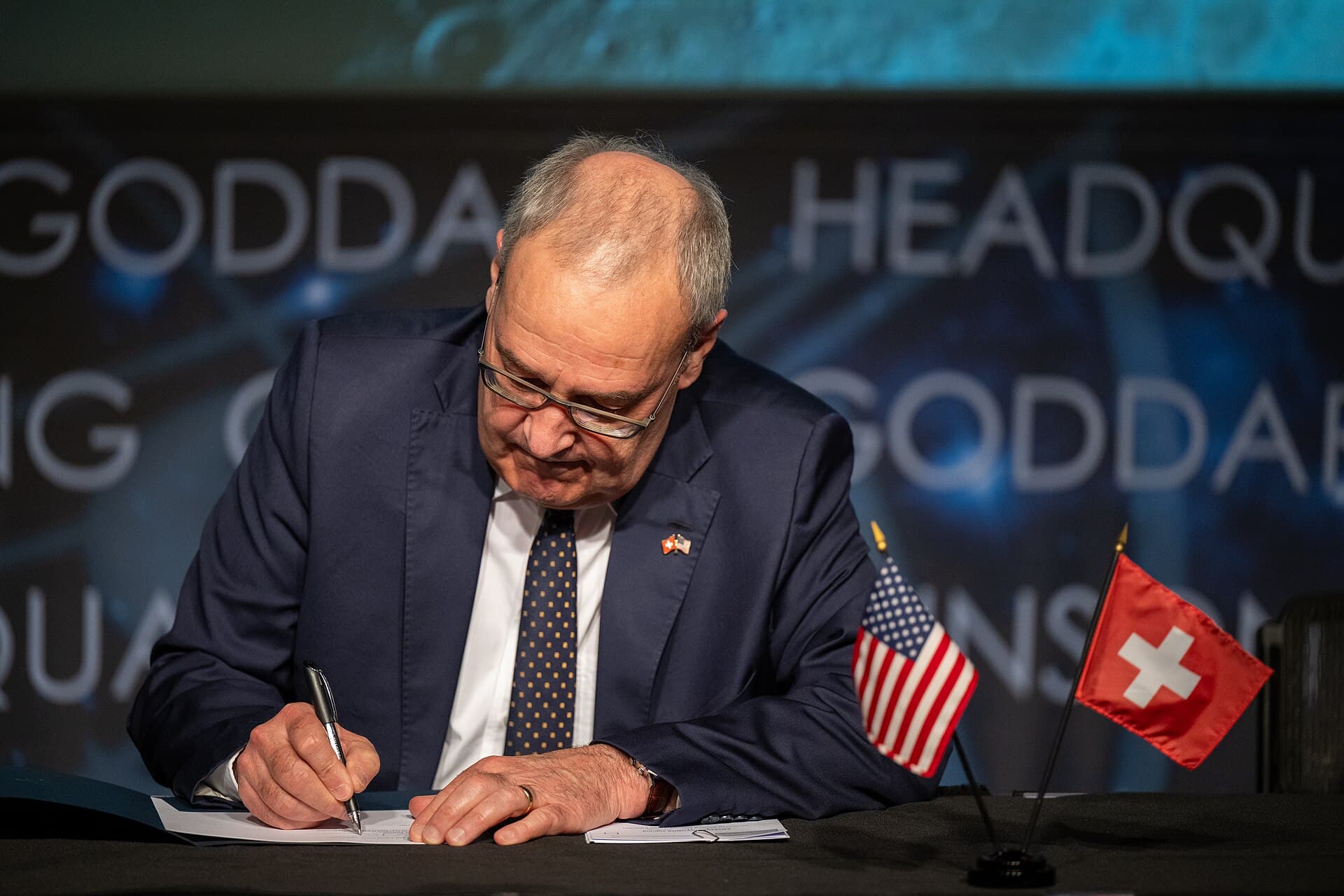
On the U.S. side, the framework would open the Swiss and Liechtenstein market to more American goods. Switzerland and Liechtenstein would lower or remove tariffs on a range of U.S. products and create tariff-rate quotas for poultry, beef and bison, giving agricultural exporters a direct stake in the outcome. For Switzerland, which is not part of the European Union but is the largest economy in the European Free Trade Association, the talks are a reminder that access to the U.S. market is no longer automatic, even for close allies.
This article was produced by Prism’s automated news system from verified source data, official records, and press releases, then run through automated quality and moderation checks before publishing. The system is built and supervised by the people who set the standards it runs under. Read our full AI policy.
Know something we missed? Have a correction or additional information?
Submit a Tip