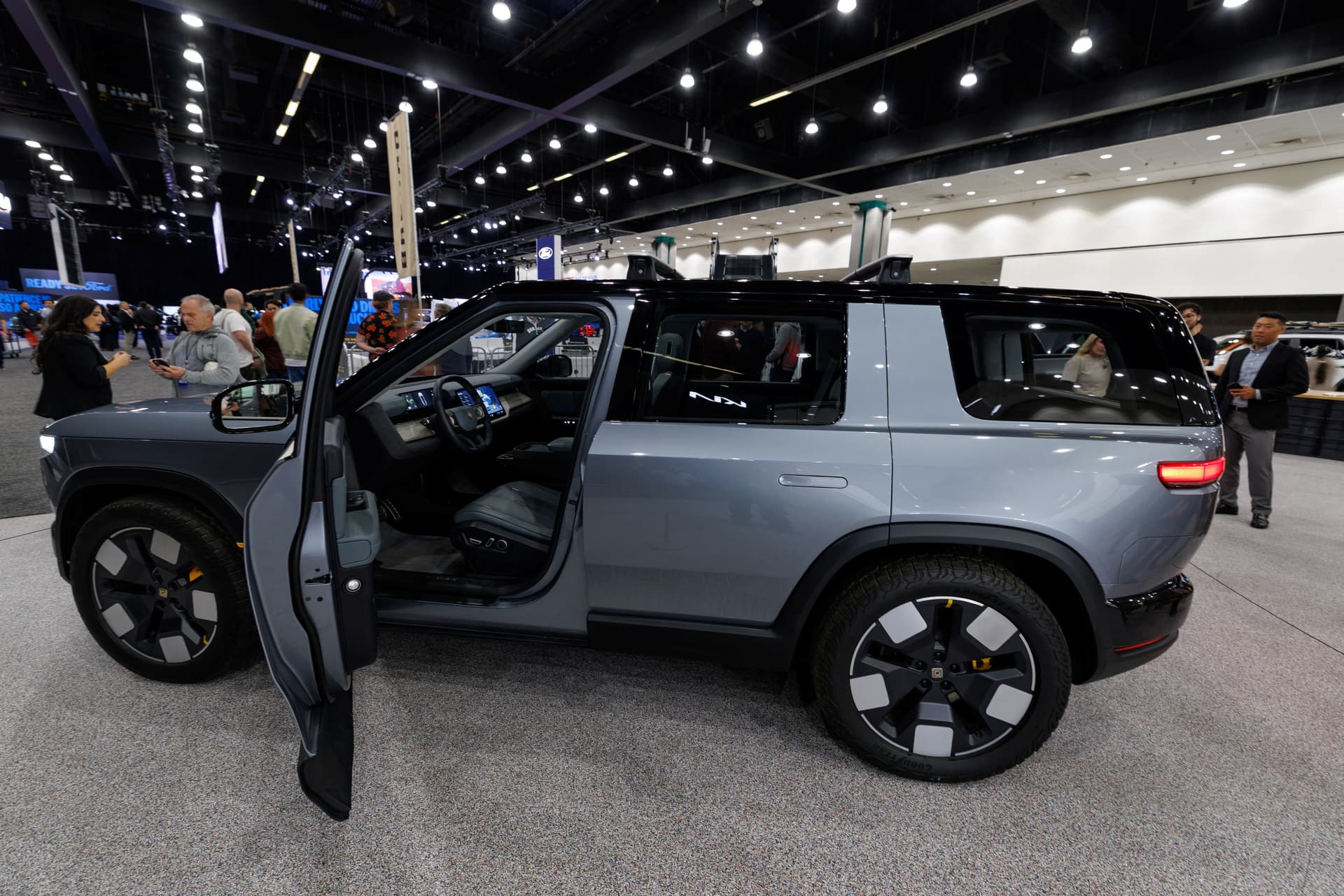
Chinese EV makers top 15% of Europe sales as demand surges
Chinese brands passed 15% of Europe’s battery-electric sales in April, with fully electric deliveries jumping to 38,281 as BYD and Chery won price-sensitive buyers.

Chinese automakers pushed past a new threshold in Europe’s electric-car market in April, taking more than 15% of battery-electric sales for the first time as fully electric deliveries from Chinese manufacturers more than doubled year on year to 38,281 vehicles. The surge showed that lower-priced models from BYD, Chery Automobile and other Chinese brands were no longer a niche threat but a growing force in the region’s transition to electric vehicles.
The numbers point to a sharper competitive squeeze for European automakers. Chinese brands have been gaining share not just through aggressive pricing, but through a broader product mix, battery know-how and a faster pace of model launches that have helped them fit local demand. Their advance has also been reinforced by local manufacturing plans and denser distribution networks across Europe, which are designed to reduce tariff exposure and make the brands feel less like imports and more like part of the market.
That strategy has complicated Europe’s policy response. The European Commission adopted definitive countervailing duties on Chinese battery-electric vehicles on October 29, 2024, for five years, after concluding that China’s BEV value chain benefited from subsidies that threatened injury to EU producers. Yet the market data suggest the barriers have not halted the influx. Chinese carmakers have also been selling more plug-in hybrids in the European Union, a way to limit exposure to tariffs on Chinese-made electric cars while keeping momentum with buyers who want lower running costs and fewer range concerns.
The broader trade picture has shifted as well. ACEA’s May 2026 fact sheet said China had become the fifth-largest market for EU new-vehicle exports, a reminder that the relationship runs both ways even as competition intensifies in Europe. Separate industry data showed China-made cars’ share of the EU market rising to 7% in 2025 from 5% in 2022, while Chinese car exports to the European Union surpassed 1 million units in 2025.
Chinese companies are using manufacturing as well as sales tactics to deepen their foothold. In July 2025, BYD said it would delay mass production at its Hungary plant until 2026 while increasing output in Turkey, underscoring how the industry is trying to blunt tariffs and build a more permanent European base. For Europe’s automakers and policymakers, the message is increasingly clear: consumers are rewarding better value, tariff defenses are only slowing the shift, and the continent’s EV transition is now being shaped as much by Chinese competition as by Brussels’ industrial strategy.
This article was produced by Prism’s automated news system from verified source data, official records, and press releases, then run through automated quality and moderation checks before publishing. The system is built and supervised by the people who set the standards it runs under. Read our full AI policy.
Did this article answer your question?
%3Amax_bytes(150000)%3Astrip_icc()%2FCertificate-of-deposit-2301f2164ceb4e91b100cb92aa6f868a.jpg&w=1920&q=75)