Chinese nickel firms seek new bets as Indonesia policy risks rise
Chinese nickel groups are scouting Madagascar, Tanzania and New Caledonia as Indonesia tightens quotas and output controls, testing the supply chain built around EV demand.
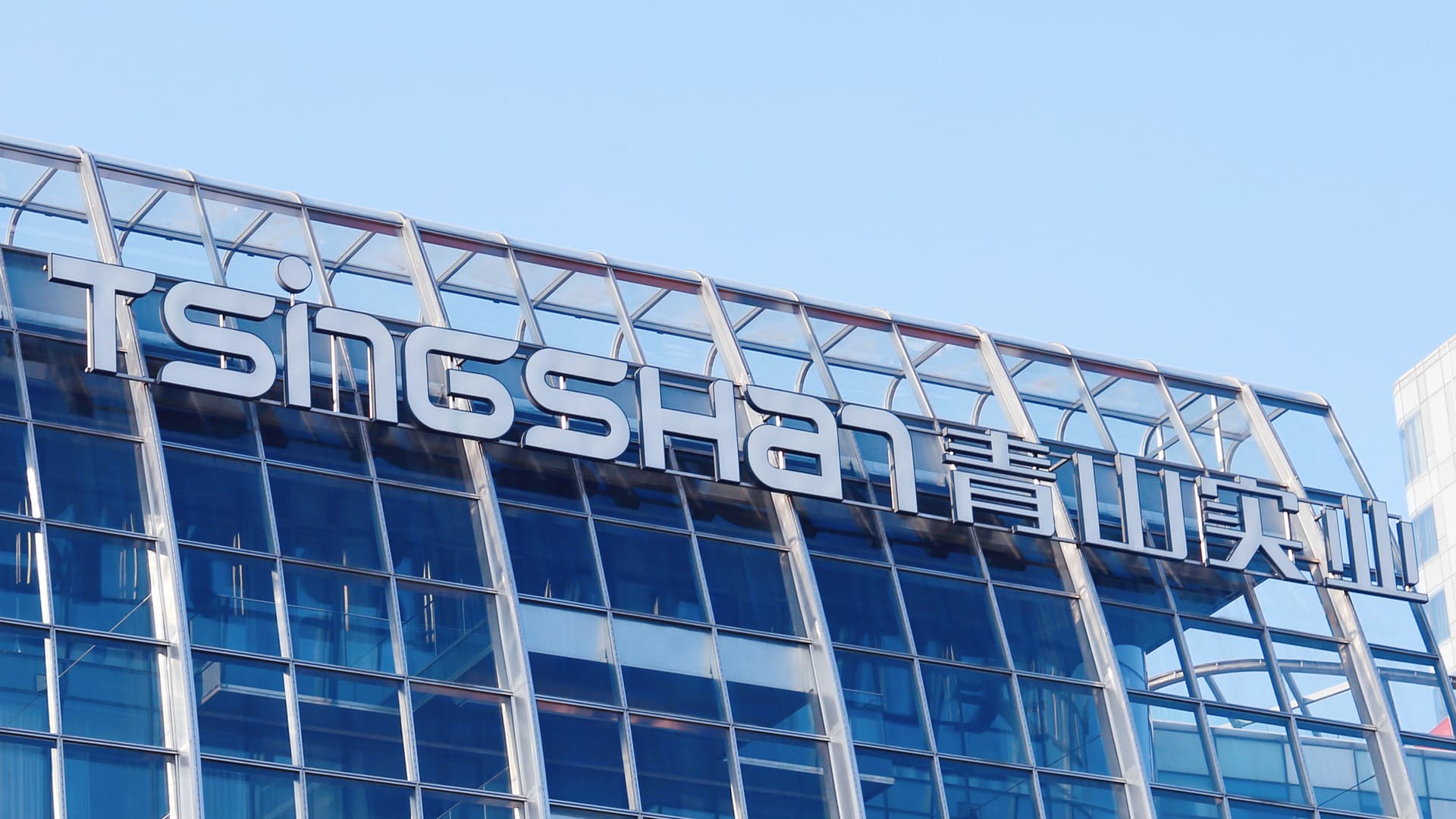
Chinese companies that helped make Indonesia the world’s dominant nickel producer are now looking beyond the archipelago as policy pressure rises and the investment model behind the boom comes under strain. Tsingshan Group is weighing a major development in Madagascar, while Lygend Resources is evaluating a project in Tanzania and a possible restart of the Koniambo operation in New Caledonia.
The shift matters because Indonesia has become the center of the battery-metal trade. The country first imposed a nickel ore export ban in 2014, then reimposed and enforced it in 2020 to force more refining and battery-materials processing at home. A U.S. International Trade Commission paper said the policy pushed exports toward higher-value nickel products, lifted downstream production and drew in more foreign investment. Since 2020, the Lowy Institute has said, Indonesia has tried to move from raw ore sales into a larger role in the global nickel value chain.
That strategy has worked at scale. S&P Global Market Intelligence said Indonesia’s share of the nickel market rose from 31.5% in 2020 to 60.2% in 2024, powered by Chinese-backed investment. But the same report showed how quickly the policy environment has tightened. Indonesia planned nickel output cuts in 2026 to support prices and rein in environmentally harmful operations. It shifted from three-year mining quotas introduced in 2023 to a one-year quota system in October 2025, forcing companies to reapply for 2026 and 2027. In September 2025, 190 permits were suspended for failing rehabilitation or production obligations.
Those moves have given investors a reason to hedge. The supply chain now depends not only on ore and smelters, but on how much regulatory certainty Indonesia can offer for long-lived, capital-intensive projects that feed electric-vehicle battery production. If Chinese groups spread capital into Africa and the Pacific, Indonesia could face more competition for investment just as automakers and battery makers are trying to lock in secure metal supply and predictable costs.
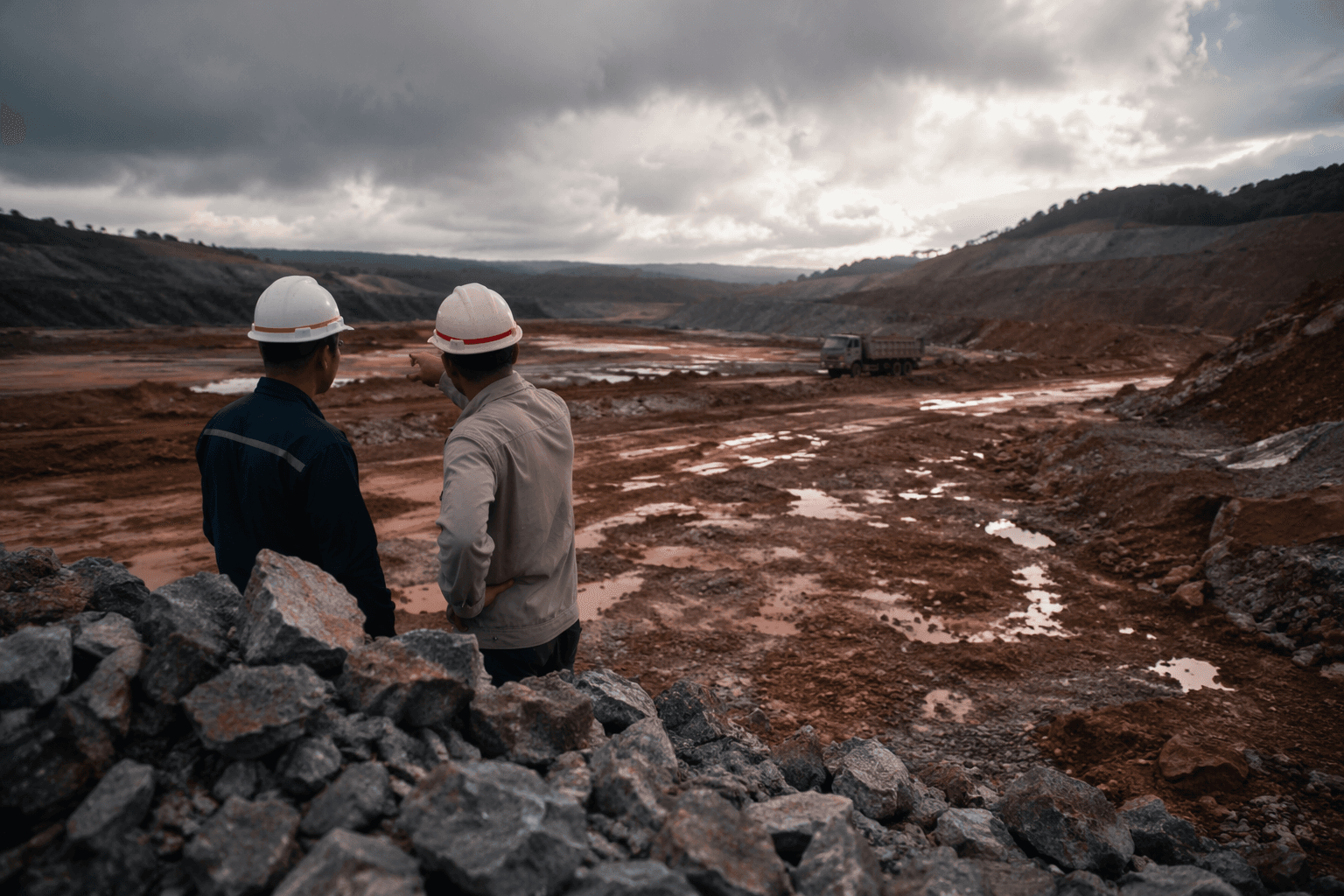
The domestic political pressure is growing too. The Virtue Dragon Nickel Industry smelter in Konawe, Southeast Sulawesi, began operating in 2019 after being conceptualized in 2014, and it has become a symbol of the industry’s environmental, health and labor disputes. The Lowy Institute said residents have complained about industrial emissions, poor planning and weak public access to monitoring, while workers have reported unsafe conditions and health problems.
New Caledonia offers a different kind of opening. Koniambo Nickel SAS was placed in cold mode at the end of August 2024 after Glencore said it would withdraw and sell its 49% stake, a shutdown that cost about 1,200 direct jobs and another 600 subcontractor positions. A local consortium later proposed restarting the plant at about 15,000 tonnes a year, far below its designed 60,000-tonne annual capacity. For Chinese nickel investors, that kind of distressed asset, in a different jurisdiction, now looks more attractive as Indonesia’s policy grip tightens.
This article was produced by Prism’s automated news system from verified source data, official records, and press releases, then run through automated quality and moderation checks before publishing. The system is built and supervised by the people who set the standards it runs under. Read our full AI policy.
Know something we missed? Have a correction or additional information?
Submit a Tip