Chinese social media mocks Trump visit as Xi projects stability
AI memes and jokes turned Trump’s Beijing visit into a rare online glimpse of Chinese doubts about Xi, even as both sides projected “strategic stability.”
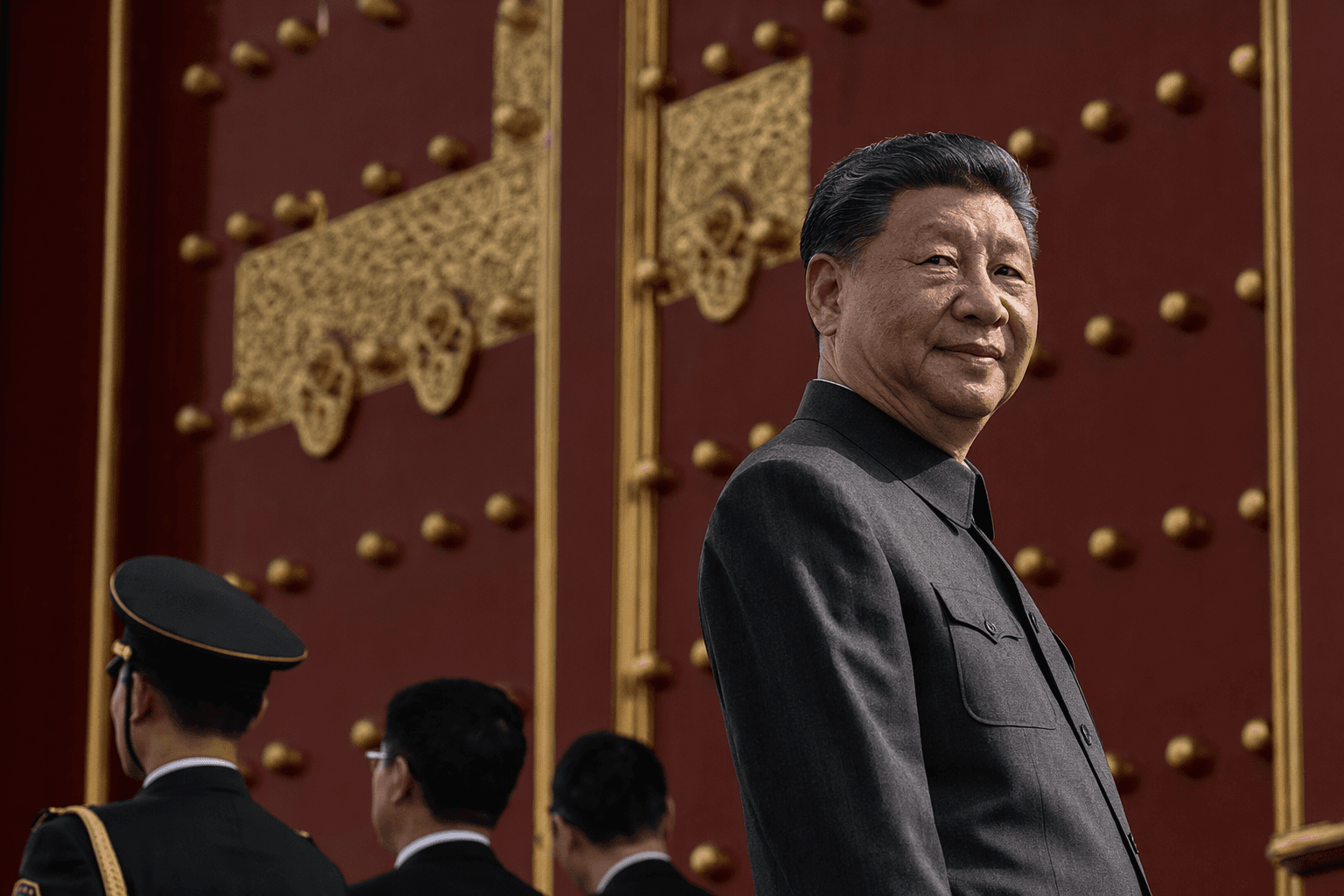
Chinese social media users turned Donald Trump’s Beijing trip into a rare opening for satire, using AI memes and light-hearted jokes to needle Trump’s entourage and, by extension, the carefully managed image Xi Jinping presents at home and abroad. The mockery mattered less as comedy than as a signal: when direct criticism is risky, humor can expose what people are willing to say, and what they are still trying to say indirectly, about power, performance and control.
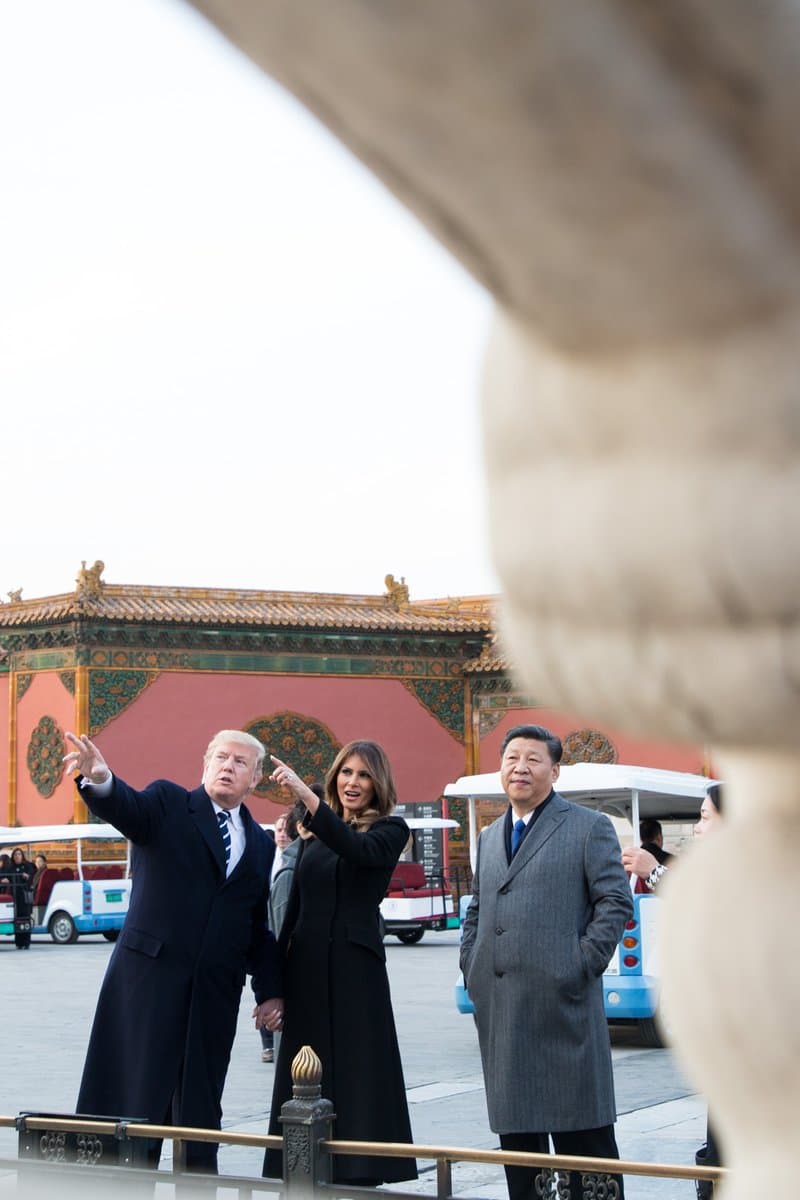
Trump was in Beijing from May 13 to May 15, 2026, for his first presidential visit to China in nearly a decade. The trip featured the kind of choreography Beijing often favors, with a formal welcome, a visit to the Temple of Heaven on May 14, and meetings at Zhongnanhai, Xi’s official residence, before Trump departed on Friday. The historical setting at the Temple of Heaven carried its own message. The site, where Chinese emperors once prayed for good harvests, underscored the statecraft and historical theater surrounding the summit.
The leaders left Beijing saying progress had been made, but deep differences remained over Iran, trade, technology, Taiwan and oil. Xi said the two sides had agreed to a framework of “strategic stability” for the next three years. Trump said China had agreed to buy U.S. oil and 200 Boeing planes. Even so, the concrete outcomes remained uncertain, a familiar pattern in U.S.-China diplomacy where symbolism often outruns substance.
What stood out online was the tone. Liberal-minded Chinese accounts treated the visit as a spectacle to be laughed at, not simply watched. The jokes suggested confidence in China’s own standing, and a belief that the country could present itself as an equal to the United States and as a source of stability in a volatile world. That reading cut against the official gloss of harmony by hinting at the limits of permitted expression, where criticism of leadership is often displaced into irony, coded commentary and staged laughter.
The summit also pointed ahead. Trump invited Xi to visit the White House on September 24, and officials are already looking to possible follow-on meetings around APEC in Shenzhen in November and the G20 in Florida in December. For now, the Beijing visit left two parallel pictures of Chinese politics: one polished for state audiences, and another, sharper one, visible in the jokes that slipped through online.
This article was produced by Prism’s automated news system from verified source data, official records, and press releases, then run through automated quality and moderation checks before publishing. The system is built and supervised by the people who set the standards it runs under. Read our full AI policy.
Did this article answer your question?