Scientists identify Southeast Asia’s largest dinosaur, a 27-tonne sauropod
A 27-tonne sauropod from Thailand is redrawing Southeast Asia’s dinosaur map, suggesting the region produced bigger, more mobile giants than scientists had realized.
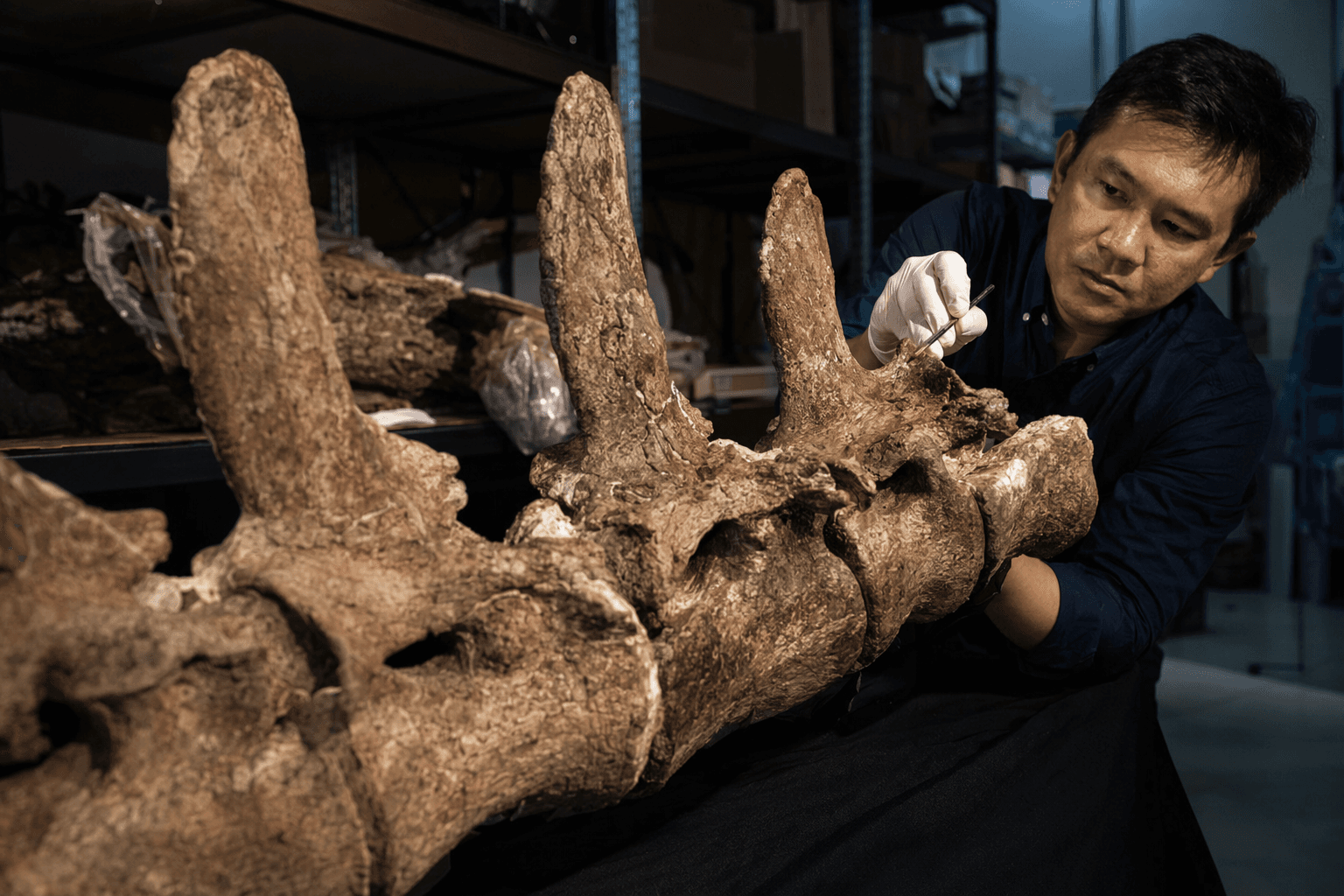
The biggest dinosaur ever found in Southeast Asia is forcing paleontologists to rethink how giant sauropods evolved and spread across the region. Named Nagatitan chaiyaphumensis, the long-necked plant-eater measured about 27 metres, or 88 feet, and weighed an estimated 27 tonnes, roughly the mass of nine adult Asian elephants.
The new species came from Chaiyaphum province in northeastern Thailand, where bones were first noticed by a local resident in 2016 at the edge of a pond. Excavation ran from 2016 to 2019, then stalled when funding dried up before work resumed in 2024. Among the remains was a front leg bone 1.78 metres long, about the length of a human. The study describing the dinosaur was published in Scientific Reports on May 14 and 15, 2026, by a team led by University College London with partners at Mahasarakham University, Suranaree University of Technology and the Sirindhorn Museum.
Lead author Thitiwoot Sethapanichsakul, a Thai PhD student at UCL Earth Sciences, said the dinosaur was “big by most people’s standards,” and probably weighed at least 10 tonnes more than Dippy the Diplodocus. It still fell short of the very largest known sauropods such as Patagotitan and Ruyangosaurus, but the find adds a crucial piece to the evolutionary puzzle. Researchers say Nagatitan expands the known diversity of Southeast Asian sauropods and sharpens understanding of titanosauriform biogeography in a part of the world that is still poorly sampled compared with Europe, North America and South America.
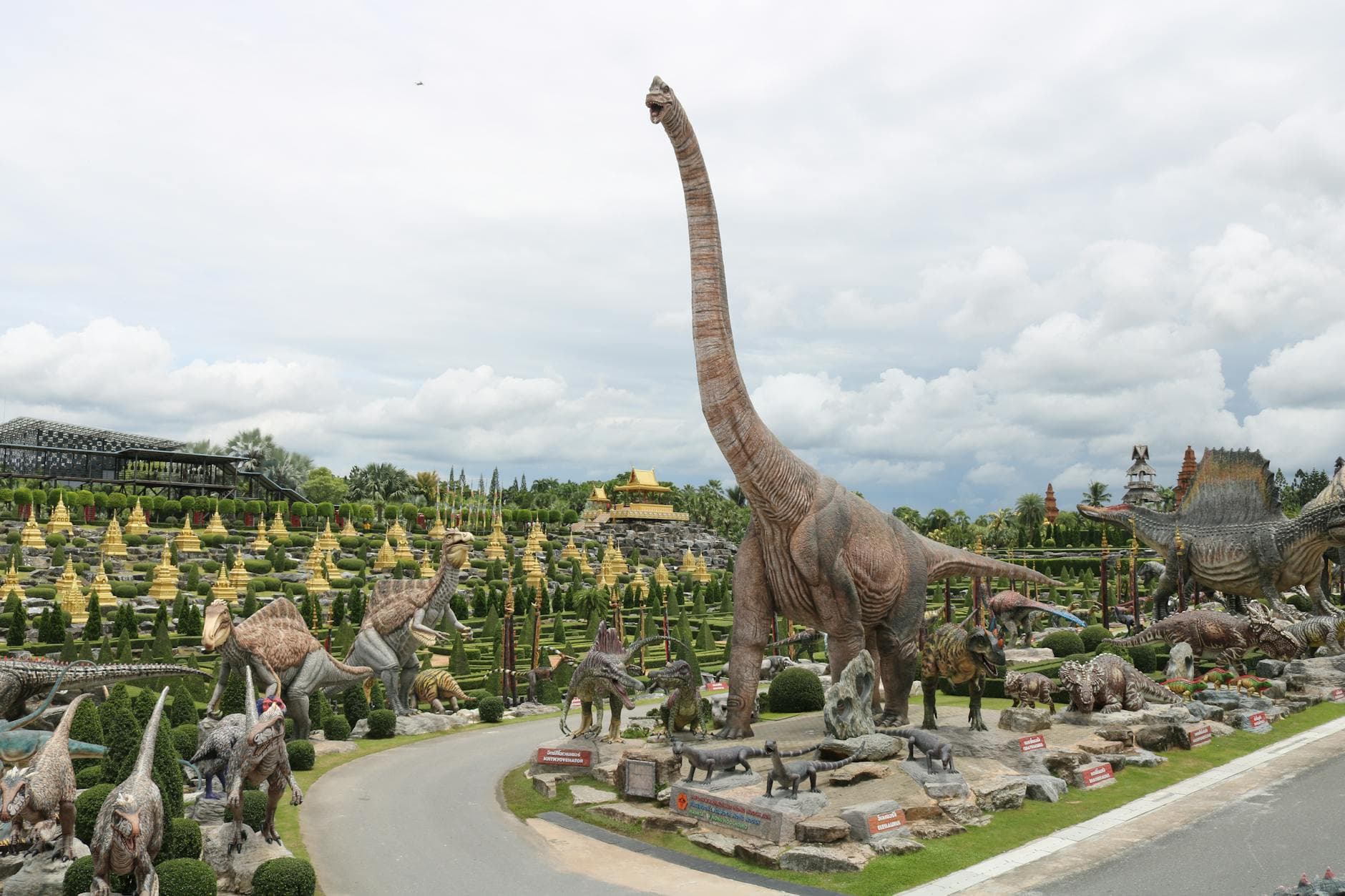
That matters because Nagatitan lived in the Early Cretaceous, about 100 million to 120 million years ago, when the area was an arid to semi-arid floodplain crossed by a meandering river system. Fish, freshwater sharks and crocodiles shared the landscape with iguanodontians, early branching ceratopsians, carcharodontosaurians, spinosaurids and pterosaurs that hunted fish from the river. In that setting, the new sauropod looks less like an isolated giant than part of a broader network of dinosaur movement across Southeast Asia, possibly one of the last or most recent large sauropods yet found there.
Researchers have started calling it Thailand’s “last titan” because it came from the country’s youngest dinosaur-bearing rock formation. It is the 14th dinosaur named in Thailand, and UCL says a life-size reconstruction is on display at Bangkok’s Thainosaur Museum, a sign that Thailand’s fossil record is emerging as a far more important window into dinosaur evolution than many readers realize.
This article was produced by Prism’s automated news system from verified source data, official records, and press releases, then run through automated quality and moderation checks before publishing. The system is built and supervised by the people who set the standards it runs under. Read our full AI policy.
Did this article answer your question?