Ukraine says drones hit major Russian refinery in Ryazan
Ukraine’s drones hit a key Ryazan refinery, setting off a large fire and widening pressure on Russia’s fuel network near Moscow.

Ukraine widened its campaign against Russia’s energy system with a drone strike on the Ryazan oil refinery, a Rosneft-linked plant about 200 kilometers southeast of Moscow that sits at the center of Russian fuel supply and military logistics.
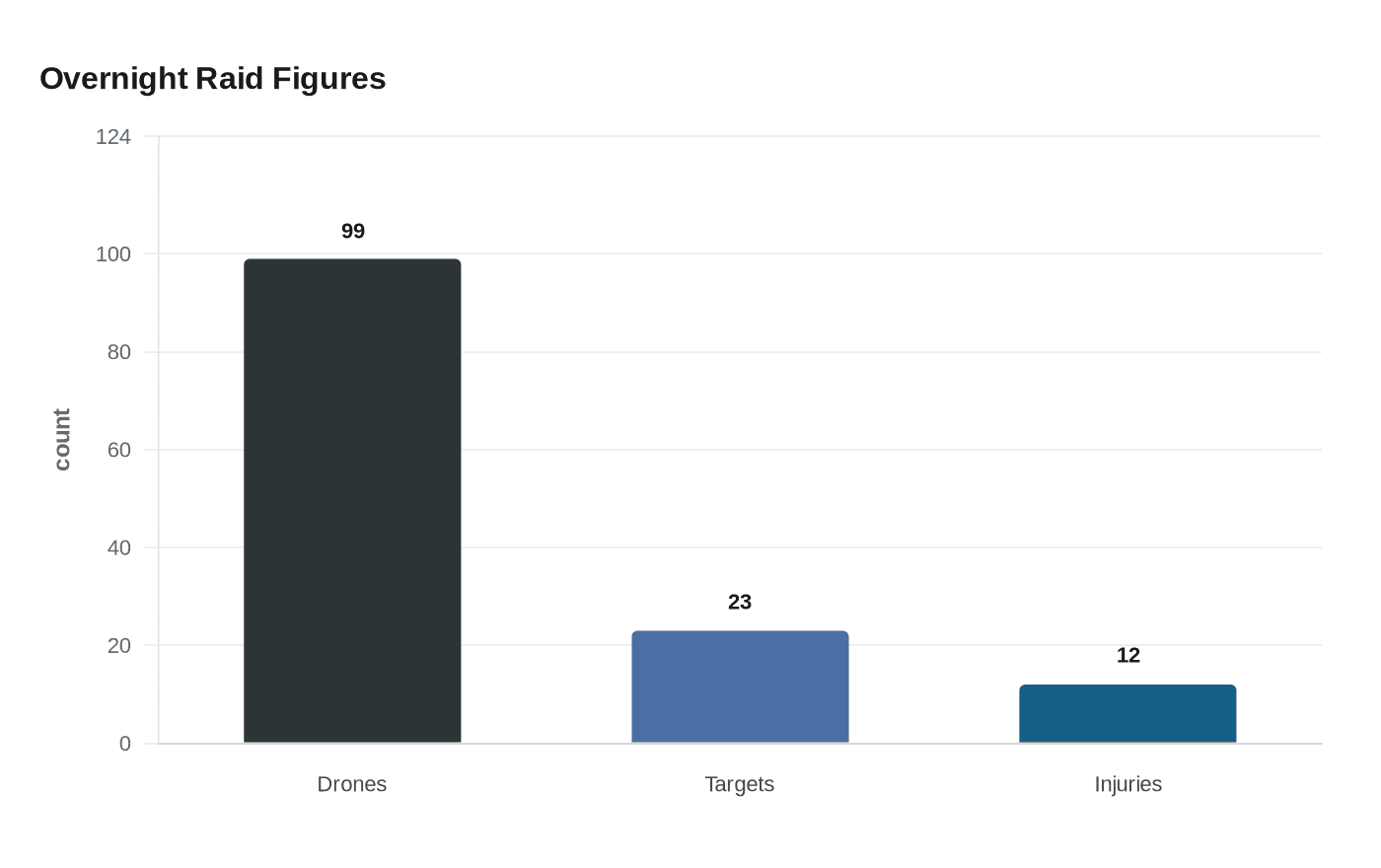
Ukraine’s General Staff said a large fire broke out at the facility after the strike. Robert Brovdi, the commander of Ukraine’s drone forces, said his units hit 23 military targets and facilities overnight in Russia and occupied Ukrainian territory, including a small missile boat and a minesweeper at the Kaspiysk base on the Caspian Sea. The scale of the operation pointed to a coordinated effort aimed well beyond a single refinery fire.
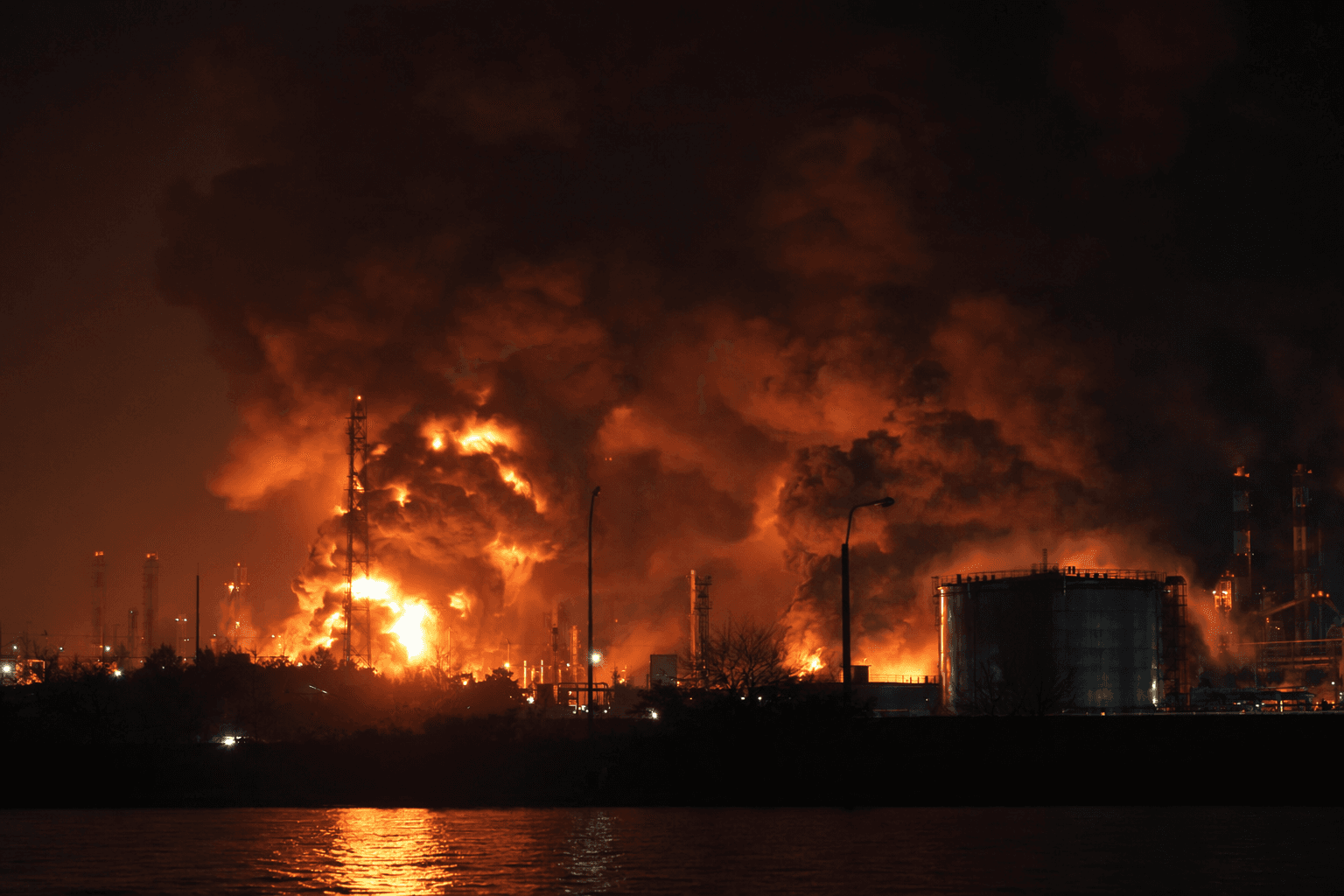
The Ryazan plant matters because it is not just another industrial site. Industry references describe it as one of Russia’s biggest refineries, operated by Rosneft through the Ryazan Oil Refining Company and in service since October 1960. Its annual capacity is commonly listed at 17.1 million metric tons of crude, or roughly 340,000 barrels per day, and it produces gasoline, diesel, aviation kerosene, fuel oil and petrochemical feedstock. That makes it a key node in both civilian supply and the Russian military’s fuel chain.
The strike also lands against a refinery that has already been under pressure. Previous drone attacks forced Ryazan to halt roughly half of its refining capacity in 2025, and open-source reporting has said the plant supplies Moscow and surrounding regions while accounting for about 5% of Russia’s total refining capacity. Damage there therefore has implications beyond the local industrial zone: it can ripple through transport, aviation and military logistics feeding the capital region.
Ryazan regional governor Pavel Malkov said 99 Ukrainian drones were involved in the overnight assault, with 12 injuries, damage to apartment blocks and debris landing on an industrial site. Those figures refer to the wider raid, but they underline the intensity of the attack and the risks of a campaign increasingly aimed deep inside Russia.
For Kyiv, the logic is clear. By turning refineries, depots and other energy assets into battlefield targets, Ukraine is trying to raise costs, create fuel bottlenecks and complicate Russian supply lines far from the front. For Western capitals, the Ryazan strike also reinforces a broader concern: each successful hit on a major refinery increases the pressure on Russia’s war economy while adding another layer of escalation to an already volatile conflict.
This article was produced by Prism’s automated news system from verified source data, official records, and press releases, then run through automated quality and moderation checks before publishing. The system is built and supervised by the people who set the standards it runs under. Read our full AI policy.
Did this article answer your question?