Trump announces major U.S.-Israeli strikes on Iran, expanding regional war
U.S. and Israeli strikes on Iran triggered retaliation in Lebanon, and a 45-day ceasefire extension now tests whether diplomacy can outlast the war.
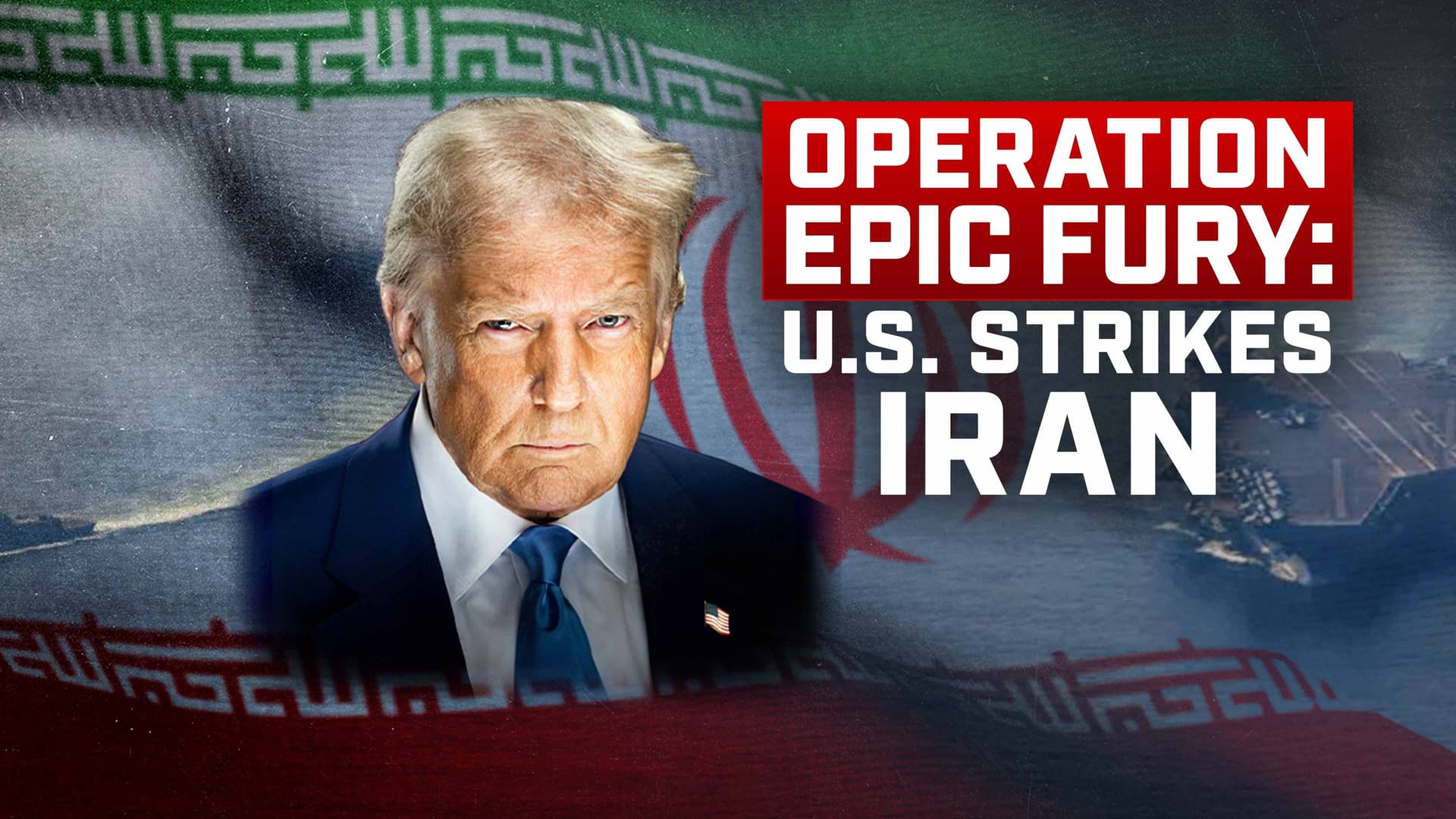
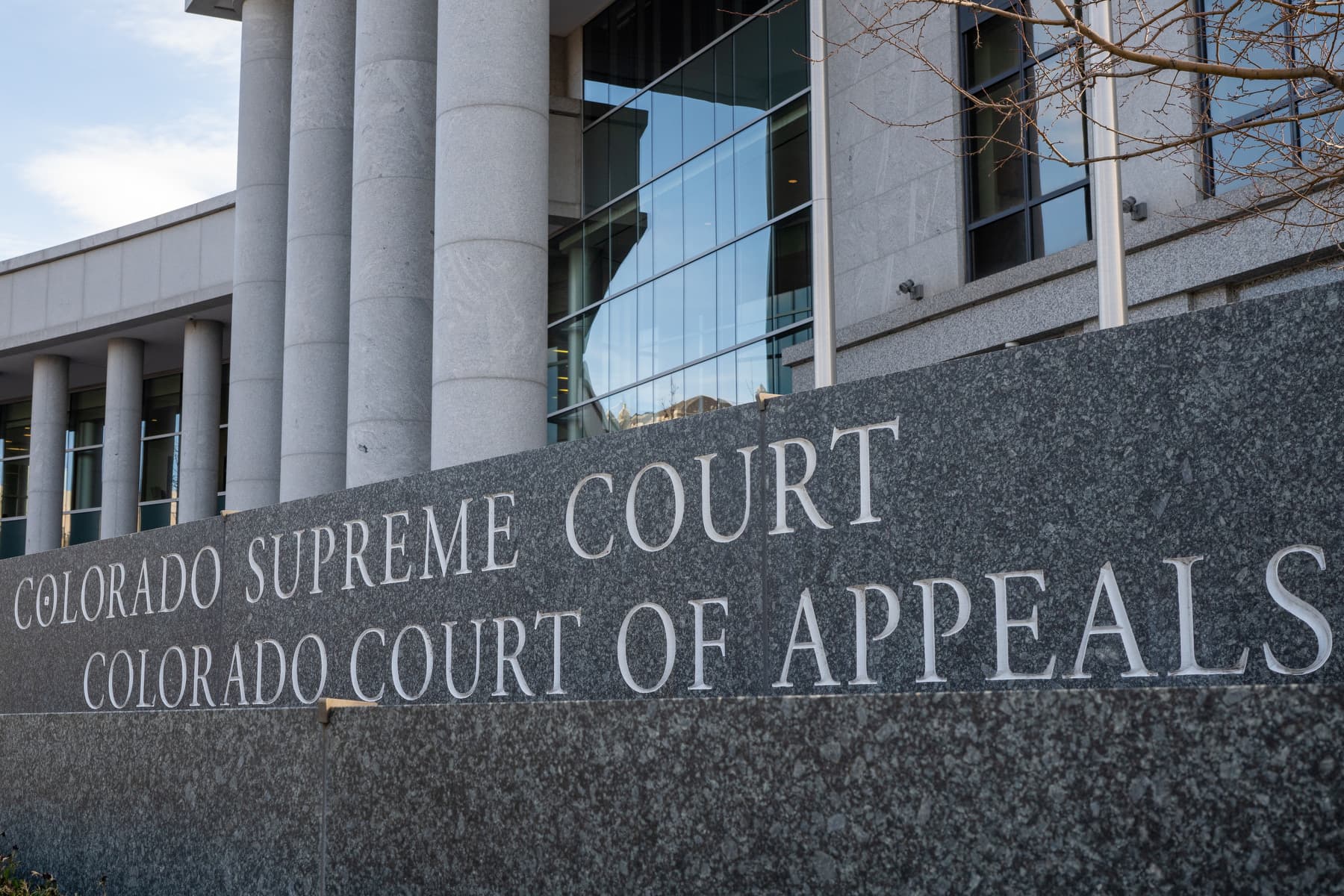
Major U.S.-Israeli strikes hit Iran before dawn on Feb. 28, opening a wider regional conflict that quickly moved from Iranian military sites to Beirut’s southern suburbs. Donald Trump announced “major combat operations” and urged Iranians to rise up against their government, a message that signaled the campaign was not limited to deterrence but aimed at weakening, and possibly toppling, the Islamic Republic.
U.S. Central Command said Operation Epic Fury began at 1:15 a.m. ET and targeted Islamic Revolutionary Guard Corps command and control facilities, Iranian air defenses, missile and drone launch sites, and military airfields. CENTCOM said the initial wave used precision munitions launched from air, land and sea, and said Task Force Scorpion Strike used low-cost one-way attack drones in combat for the first time. The command said there were no reports of U.S. casualties or combat-related injuries.
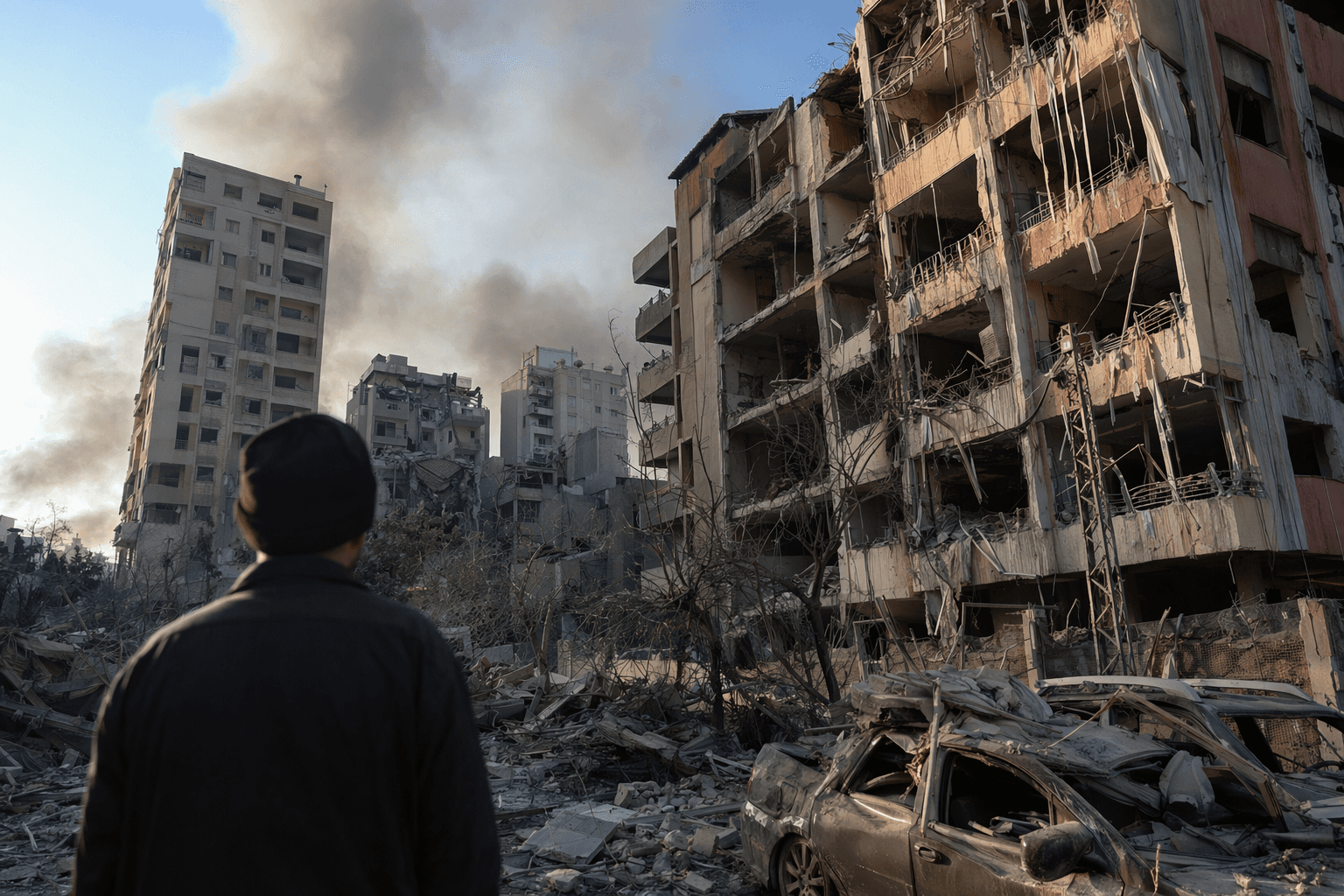
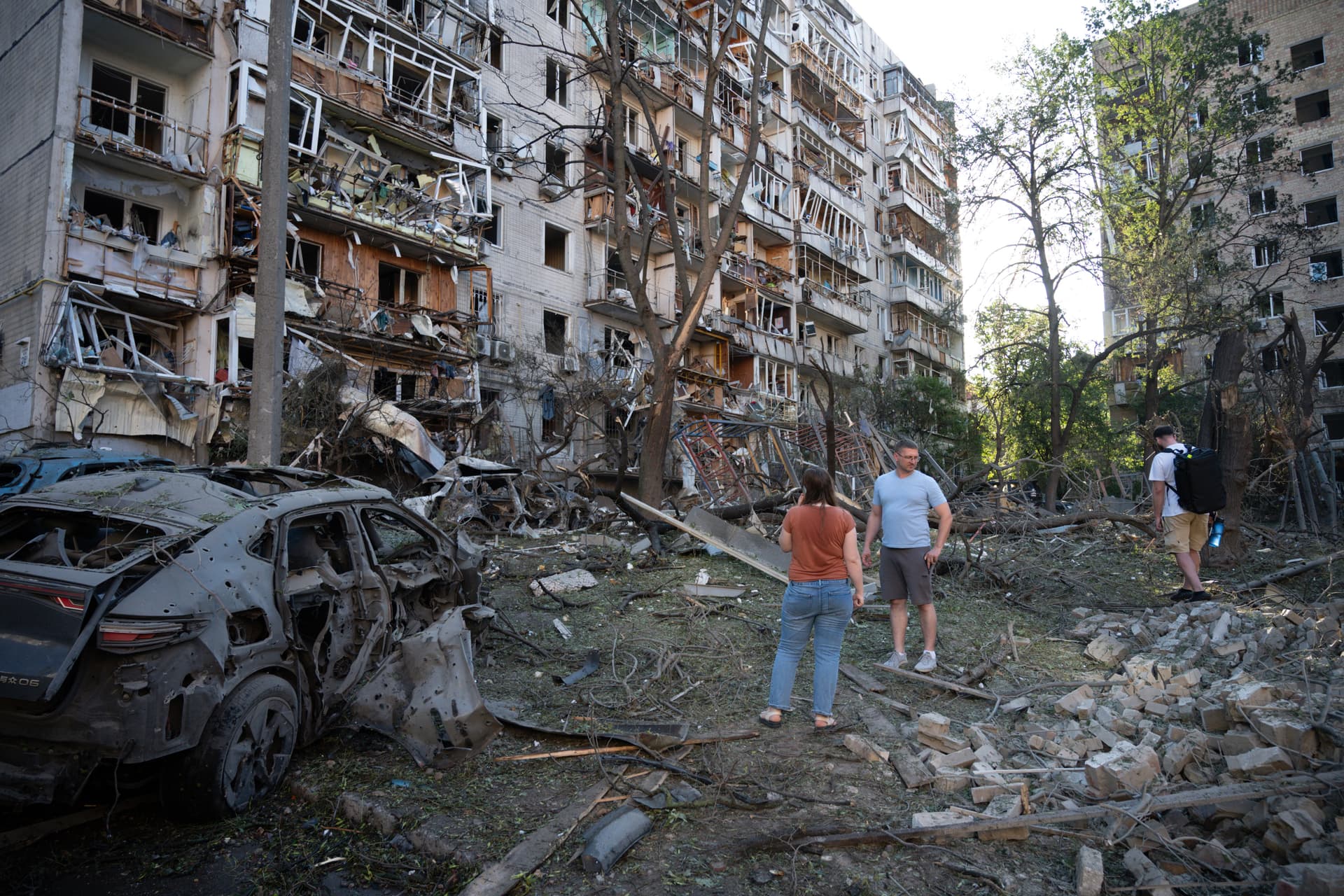
The strike campaign did not stay confined to Iran. On March 2, Hezbollah fired missiles and drones at Israel, and Israeli forces responded by striking Beirut’s southern suburbs, pulling Lebanon deeper into the fighting. The exchange underscored how quickly a U.S. and Israeli attack on Iran could ripple outward across borders, turning a direct strike on Iranian military infrastructure into a broader confrontation with armed groups tied to Tehran.
Analysts at the Institute for the Study of War described the U.S. and Israeli campaign as a strike effort into Iran and said Israel had carried out decapitation strikes against Iranian leaders. The pressure on Tehran was reinforced by the fact that the opening attacks hit the command, air defense and launch networks that support Iran’s regional reach, not just isolated weapons sites.
Trump later declared a ceasefire between Israel and Lebanon on April 16. On May 15, the State Department said that 10-day ceasefire would be extended by 45 days after talks in Washington, with the sides set to meet again on June 2 and June 3. State Department spokesman Tommy Pigott said, “The April 16 cessation of hostilities will be extended by 45 days to enable further progress.”
The extension offered a pause, but not a clean break. Hostilities in southern Lebanon have continued, though more contained, since the April truce. For now, the ceasefire has created room for diplomacy, but the strikes on Iran and the retaliatory fire that followed show how fragile that opening remains.
This article was produced by Prism’s automated news system from verified source data, official records, and press releases, then run through automated quality and moderation checks before publishing. The system is built and supervised by the people who set the standards it runs under. Read our full AI policy.
Did this article answer your question?