Trump and Xi seek managed stability in Beijing summit
Trump and Xi opened a managed-trade thaw in Beijing, but Taiwan, tariffs and export controls stayed on the table.

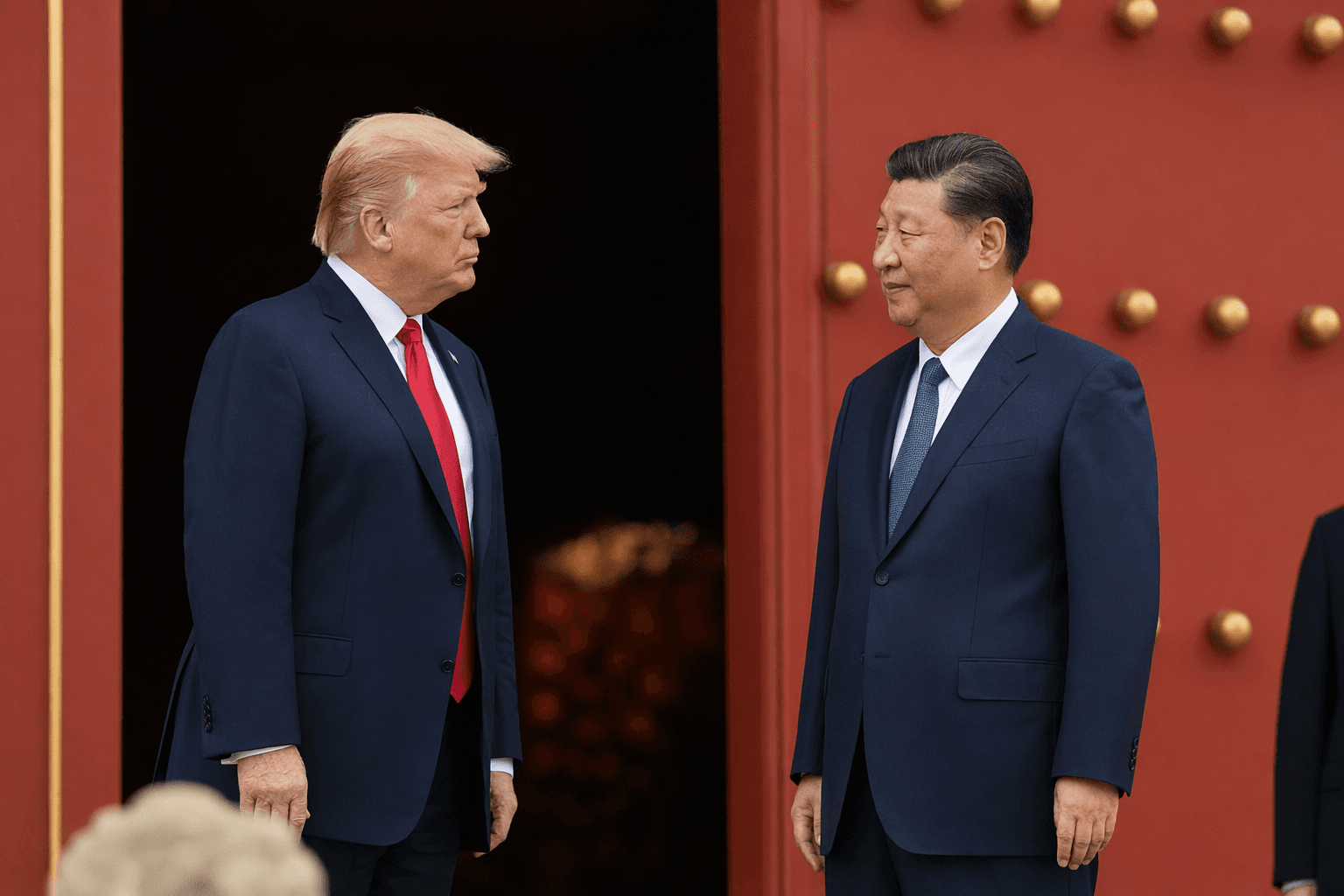
Donald Trump and Xi Jinping used their Beijing summit to redraw the terms of the relationship, moving away from the harder-line American posture that has defined recent years and toward a narrower bargain built on stability, trade volumes and crisis management.
The two leaders met in Beijing on May 14-15, 2026, in the first visit to China by a U.S. president in nine years and Trump’s first trip there since 2017. Chinese officials framed the trip as a state visit, complete with a welcome ceremony, banquet and a stop at the Temple of Heaven, and said the talks produced a series of new common understandings that would bring “much-needed stability and certainty” to the world.
The clearest shift was in trade policy. Instead of pressing Beijing to alter its state-directed, export-driven economic model, U.S. and Chinese negotiators discussed a managed trade mechanism covering roughly $30 billion in goods, focused on non-sensitive products. Tariffs and export controls on national-security-sensitive technologies remained in place, but the emerging framework pointed toward targeted tariff reductions and a more transactional dealmaking style.
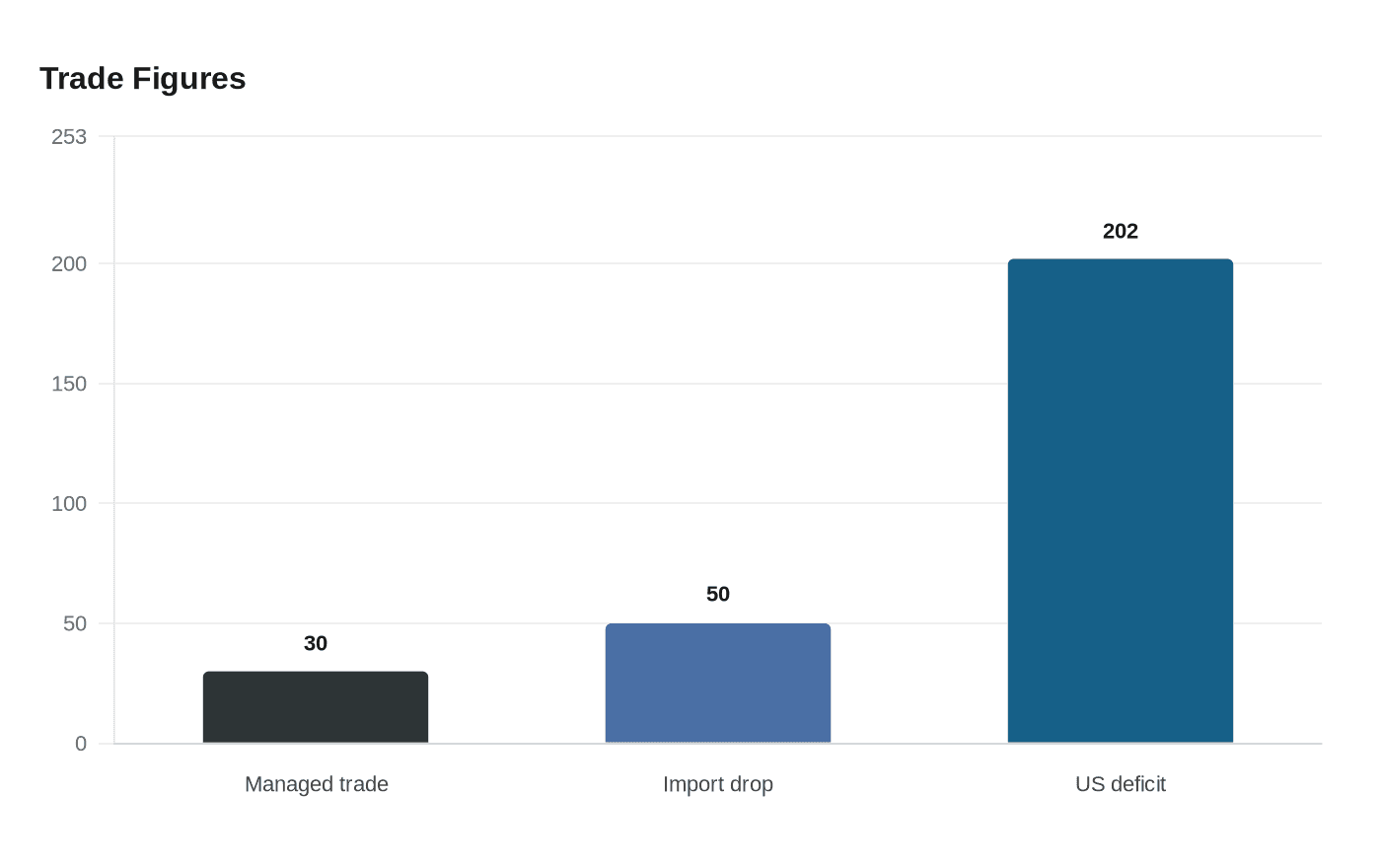
That approach would have concrete consequences. U.S. officials were seeking bigger Chinese purchases of American soybeans, beef and Boeing aircraft, while Beijing was weighing how far it could go without conceding on its industrial strategy. China bought nearly $50 billion less in American products in 2025 than it did in 2022, and the U.S. trade deficit with China reached $202 billion last year, underscoring how much political pressure still surrounds any ceasefire.
Security issues were never far from the table. Xi said Taiwan was the “most important issue” in the bilateral relationship, a reminder that the deepest fault line between Washington and Beijing remains outside the trade ledger. The leaders also discussed rare earths, artificial intelligence, agriculture, tourism and military communication channels, signaling an effort to keep competition from tipping into open rupture.
The summit marked a departure from the bipartisan Washington consensus that had treated China policy as a long-term contest over technology, supply chains and strategic leverage. The new framework, which Beijing said would guide relations for the next three years and beyond, is less a settlement than a managed pause. It may reduce immediate friction, but it leaves intact the tariffs, export controls and Taiwan tensions that could quickly put both governments back on a collision course.
Know something we missed? Have a correction or additional information?
Submit a Tip