U.S. extends Israel-Lebanon ceasefire by 45 days amid tensions
Washington gave Israel and Lebanon 45 more days, even as strikes, drone attacks and border fire kept testing the truce.
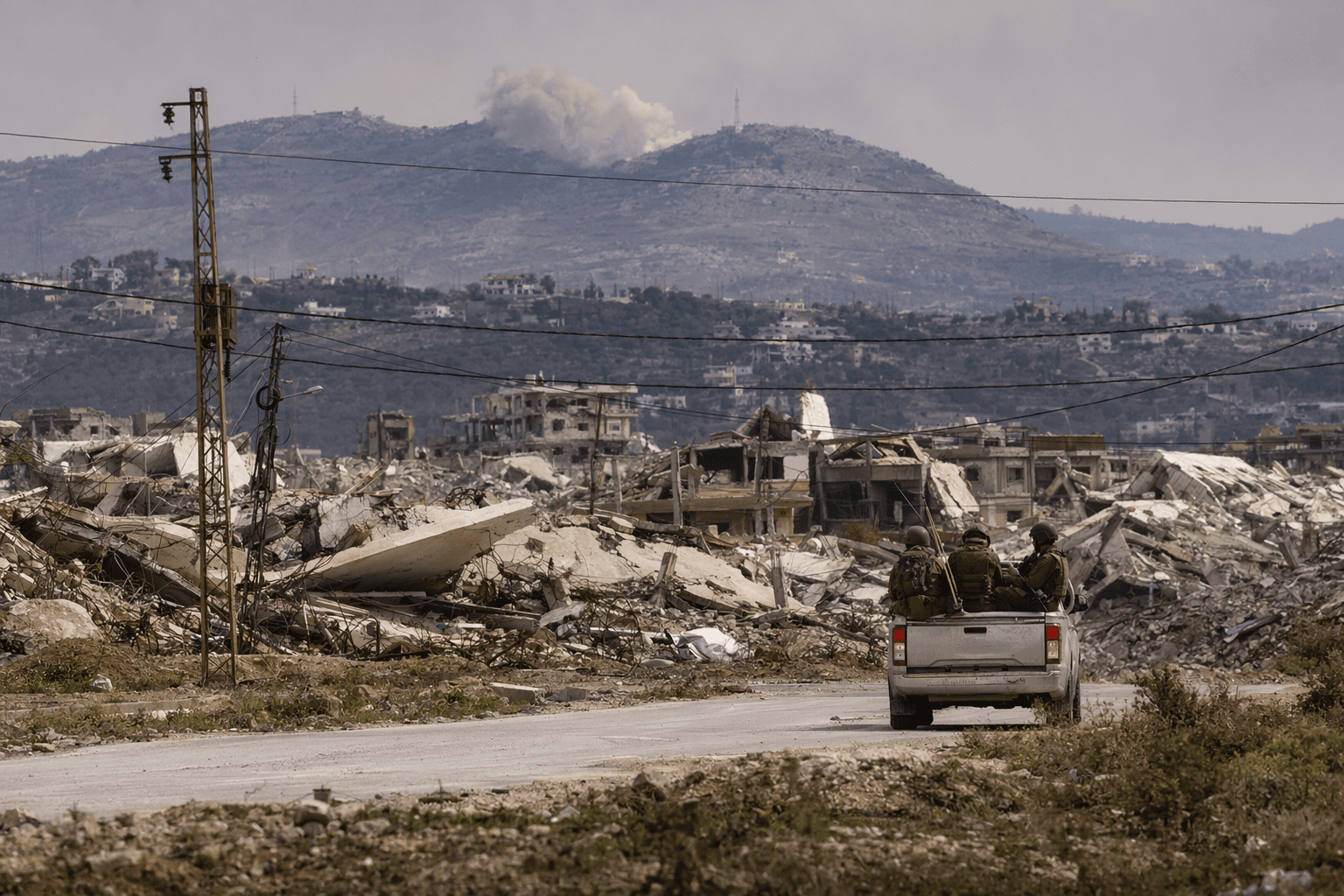
The U.S. has stretched the Israel-Lebanon ceasefire by 45 days, but the fragile deal is still being measured against the sounds of war. The extension, announced by the U.S. State Department on May 15, came after three rounds of talks in Washington and amid continuing exchanges of fire between Israel and Hezbollah.
The original ceasefire, announced on April 16, was only a 10-day cessation of hostilities brokered by the United States. It was designed as a bridge to direct negotiations, with the State Department saying the parties were not at war and that the effort was aimed at lasting peace, sovereignty, territorial integrity and security along the shared border. The deal also required Lebanon to prevent Hezbollah and other non-state armed groups from carrying out attacks, while preserving Israel’s right to self-defense.
That framework now enters a new phase of staged diplomacy. The State Department said military-to-military security talks would begin at the Pentagon on May 29, followed by political talks on June 2 and June 3. The sequencing suggests the ceasefire is being propped up less by an immediate enforcement mechanism than by a U.S.-managed process that keeps both sides talking while fighting persists.
The talks are the highest-level direct contact between Lebanon and Israel in decades, and they have become entangled with the broader question of Hezbollah’s weapons, border control and the Israeli military presence in south Lebanon. Reuters reported that the Lebanese delegation was pressing for an Israeli ceasefire, while an Israeli government spokesperson said the talks were aimed at disarming Hezbollah and reaching a peace agreement. Lebanon’s president, Joseph Aoun, has backed the negotiations despite Hezbollah’s objections, and Beirut has sought to bring all non-state weapons under state control.
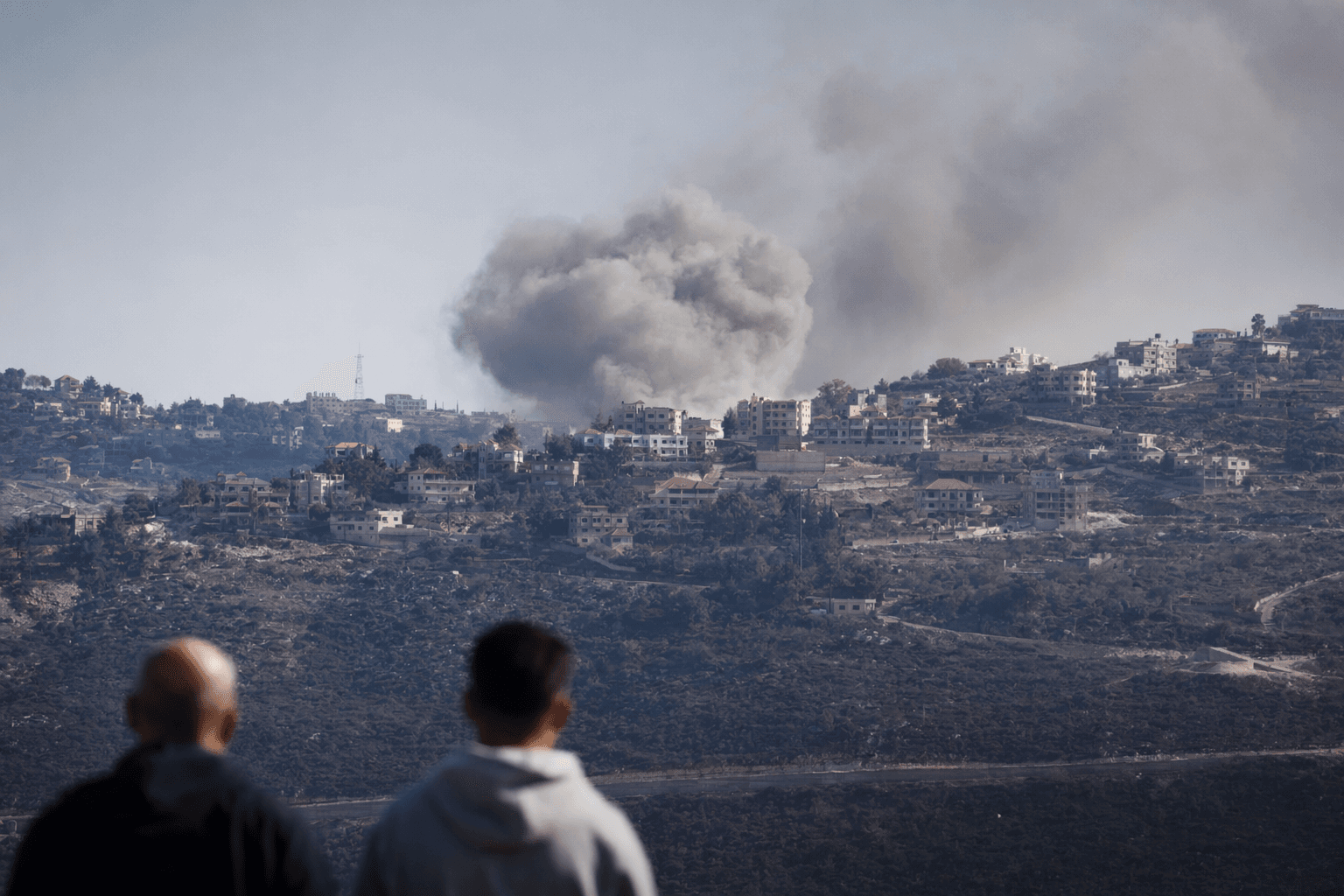
The urgency of the extension was underscored by fresh violence around the same time. Lebanon’s health ministry said 22 people, including eight children, were killed in Israeli strikes on May 14. The Israeli military said an explosive drone launched by Hezbollah injured several Israeli civilians near the border, while Hezbollah said it carried out 17 attacks on Israeli troops in southern Lebanon the same day.
Fighting has intensified since hostilities reignited on March 2, after Israel launched a ground invasion in southern Lebanon. Reuters has reported that evacuation orders have affected roughly 15% of Lebanon. For now, the ceasefire is less a settlement than a pressure-tested pause, held together by U.S. diplomacy and the hope that talks can outrun the next round of fire.
This article was produced by Prism’s automated news system from verified source data, official records, and press releases, then run through automated quality and moderation checks before publishing. The system is built and supervised by the people who set the standards it runs under. Read our full AI policy.
Did this article answer your question?