Choosing Between Pathfinder 1e, 2e, and the Remaster Products
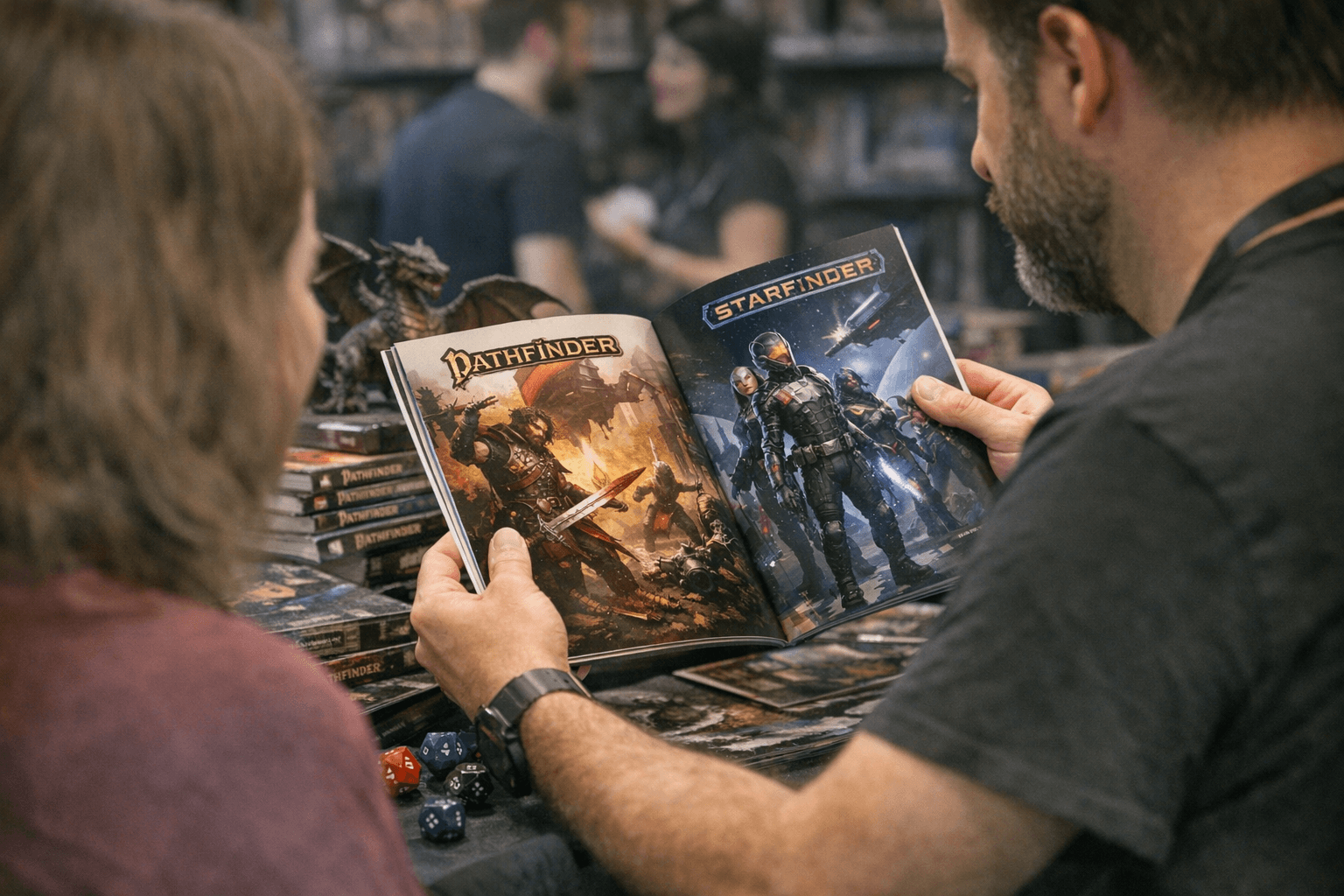
This primer helps players and GMs decide whether Pathfinder 1e, Pathfinder 2e, or Paizo’s Remaster initiative best fits their table by outlining mechanical differences, tooling, and practical use cases. Picking the right ruleset up front reduces conversion work, clarifies expectations, and makes recruitment and session prep smoother.
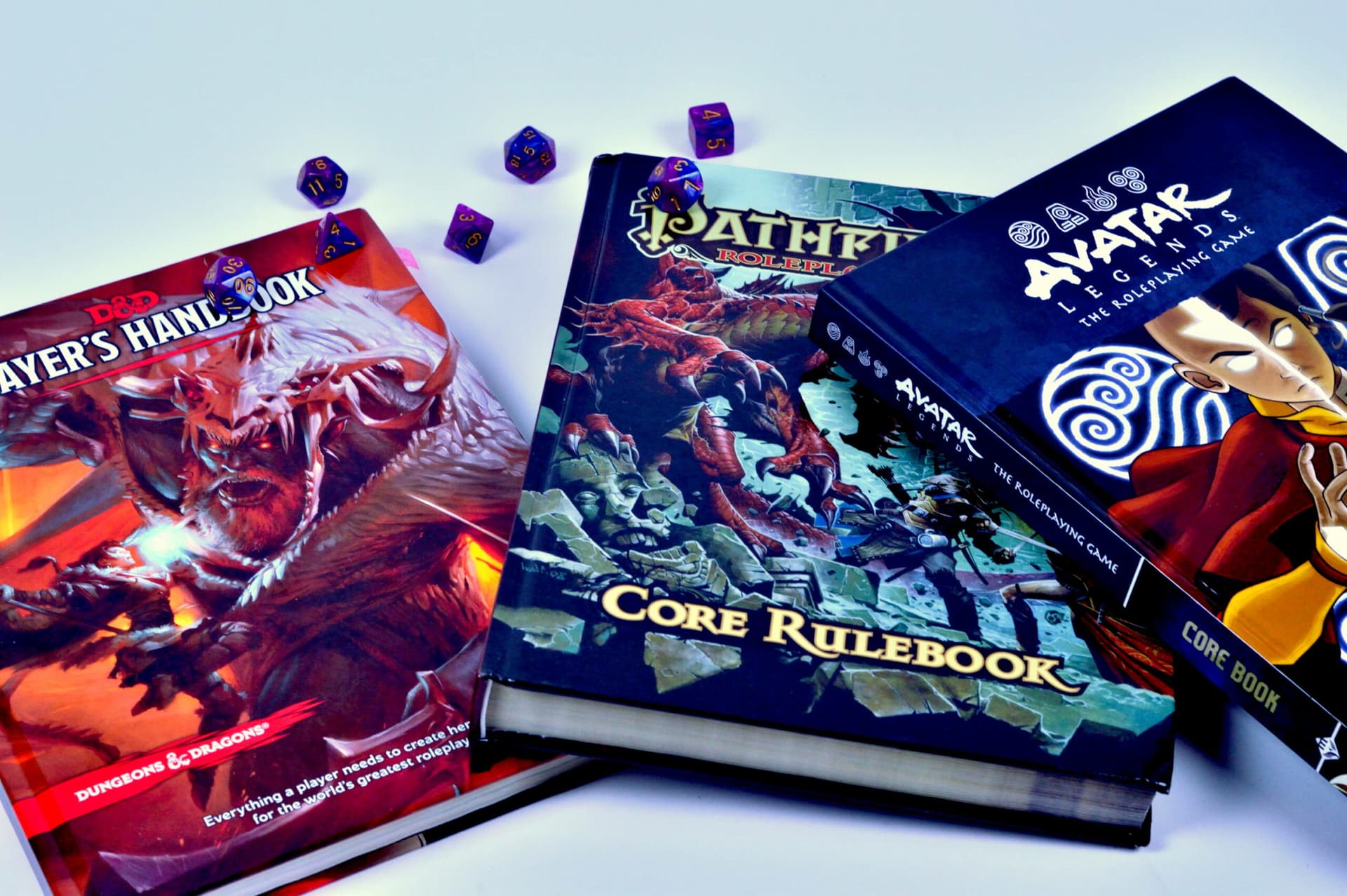
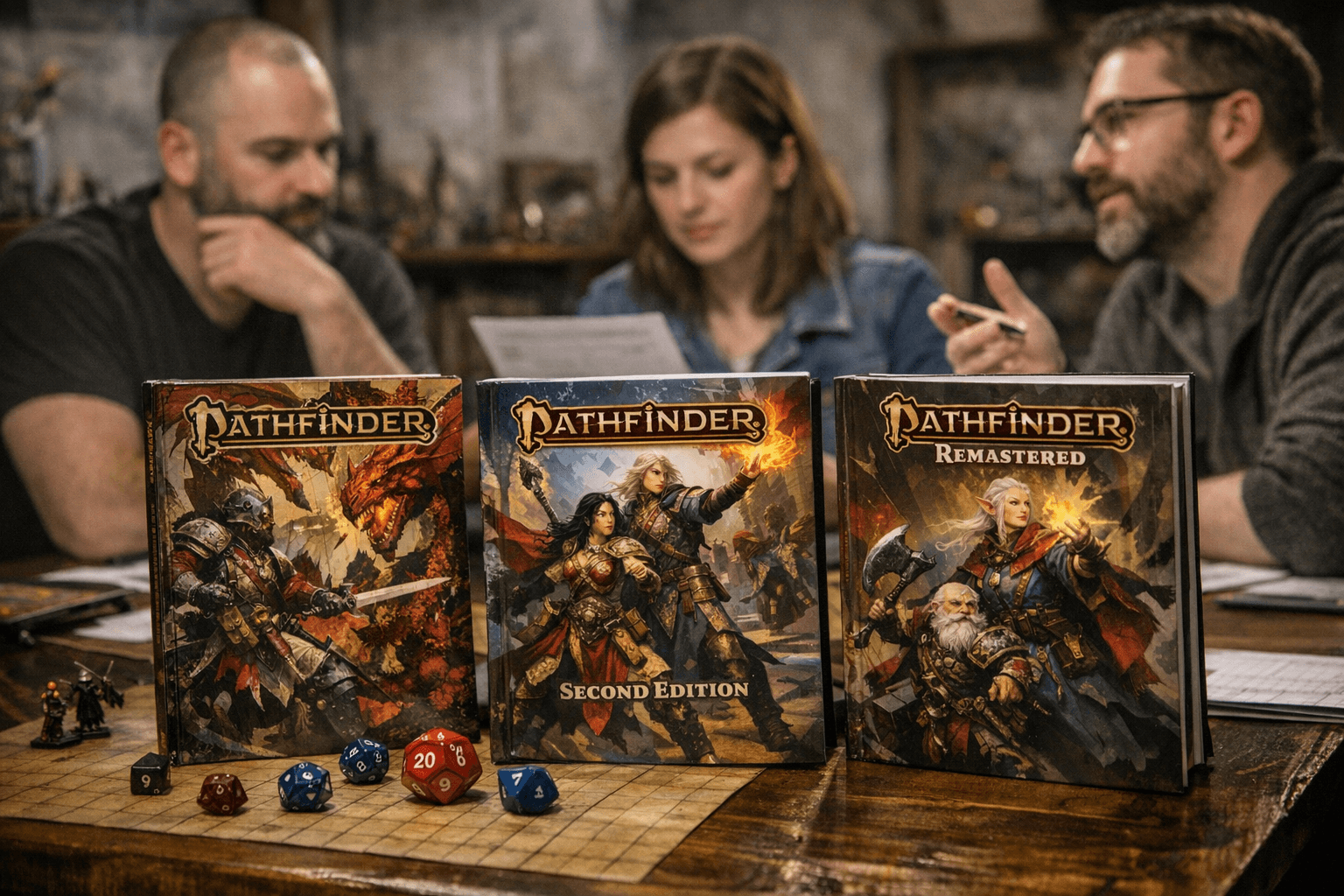
Choosing between classic Pathfinder 1e, Pathfinder 2e, and the Pathfinder Remaster line comes down to three practical questions: are you running legacy modules unchanged, do you want a modern, balanced ruleset for new players, or do you want polished legacy content updated for modern presentation? Each path offers distinct strengths and trade-offs that affect preparation, playstyle, and the digital tools you will rely on.
Pathfinder 1e remains the go-to for groups deep in Paizo’s back catalog or who enjoy complex optimization and crunchy mechanical options. Its biggest strength is the enormous third-party ecosystem and a huge library of adventures and supplements that have accumulated since 3.x days. The trade-offs are older rules with granular math, abundant legacy optional rules, and fewer new first-party releases compared with later editions. If you are running older Paizo modules as-is, or want a nostalgia-driven table, 1e will minimize rewriting and let you tap directly into legacy content and community conversions.
Pathfinder 2e emphasizes a streamlined action economy with three actions per turn, clearer encounter balance, and a design that clarifies character roles and expectations. Paizo’s recent release schedule and modern GM tooling favor 2e, and compendia and character builders in current toolchains generally prioritize it. The trade-offs are a different character power curve and a design philosophy that diverges from 1e; converting 1e adventures requires re-statting and encounter recalculation rather than literal porting. For new groups seeking consistent encounter math and first-party support, 2e is the practical choice.
Paizo’s Pathfinder Remaster effort consolidates and updates older rules and material, improving layout and accessibility and bringing legacy content into a modern legal and packaging context. Remastered books are useful when you want legacy stories presented in a polished form while retaining their classic feel. Compatibility and tooling depend on which products are remastered, and third-party adoption can lag until remaster releases propagate.
Tooling and the digital ecosystem inform day-to-day play. Archives of Nethys and the Paizo Store/PDFs are essential for rules lookups and quick reference. Virtual tabletop support exists across Foundry, Fantasy Grounds, and Roll20 for major Pathfinder lines, though availability varies by edition and product. Community character builders and compendia currently favor Pathfinder 2e, while community tools continue to support 1e extensively.
When migrating content between editions, avoid mechanical page-for-page conversions. Preserve narrative beats, hooks, factions, and key NPCs, then re-stat encounters for the target action economy and the edition’s encounter scaling. Recalculate enemy HP, action budgets, and damage output for combat-heavy scenes to keep balance intact.
If you are running old Paizo 1e adventures as-is, choose 1e. If you are starting fresh with new players and want a single consistent system with modern support, choose Pathfinder 2e. If you want updated legacy content with modern layout and clarifications, look for Remaster products for the specific books you care about.
Read the official core rulebooks and adventure paths for the edition you choose, use Archives of Nethys for quick reference, and pick a VTT module or community conversion pack matched to your virtual tabletop. If you remain unsure, run a one-shot in each edition with the same players and see which playstyle the table prefers.
Know something we missed? Have a correction or additional information?
Submit a Tip