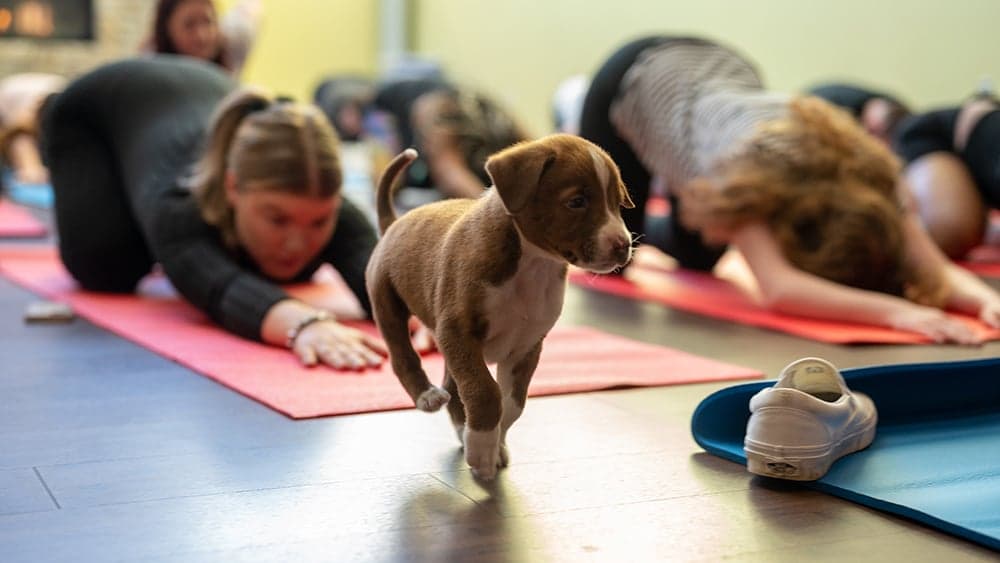
Choosing Dog Yoga Mats: Certifications, Pet-Safe Materials, Cleanability Tips
A comparison finds shared human-dog yoga mats need pet-safe materials and certifications to protect paw pads, reduce VOCs, and simplify cleaning.
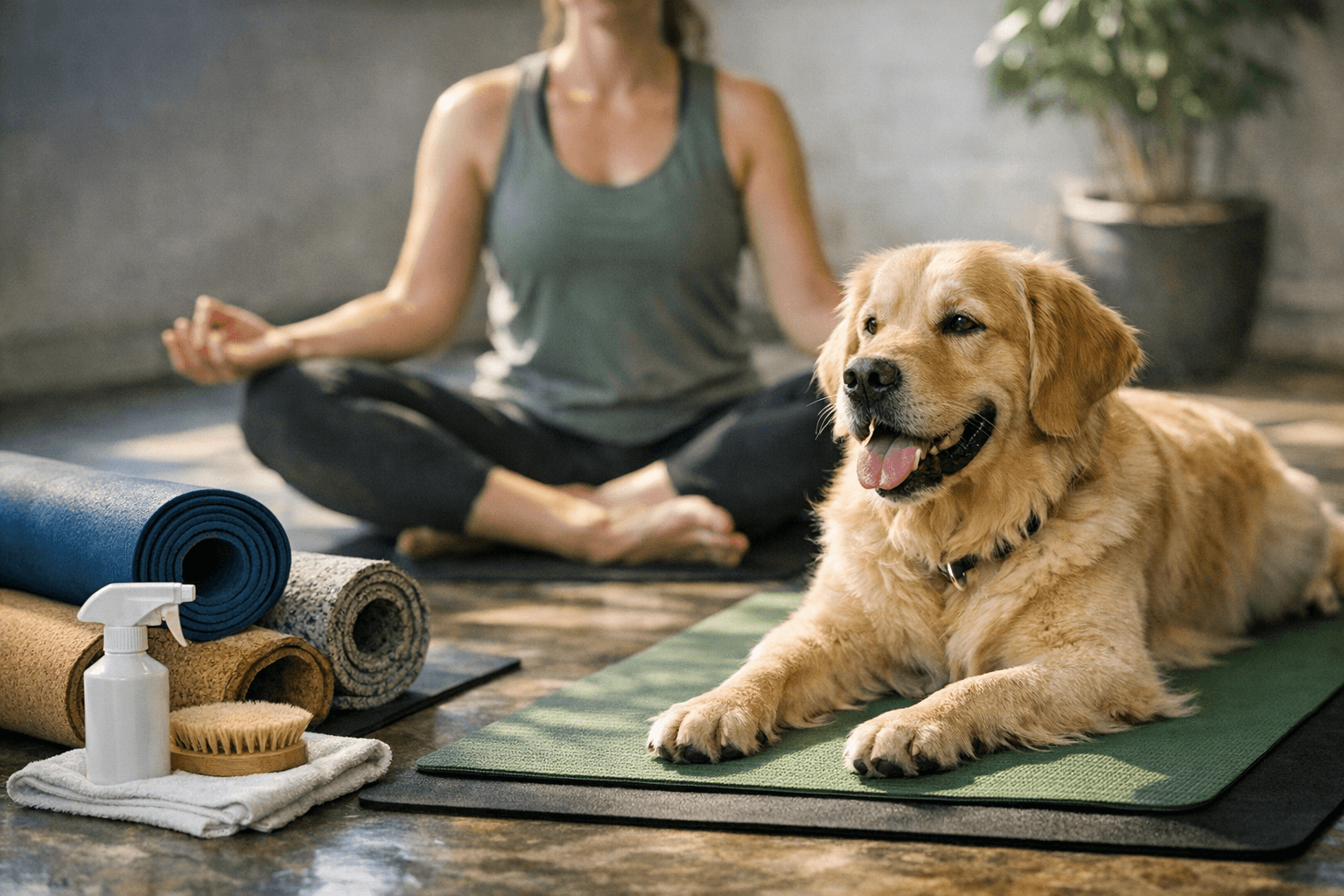
A comparative analysis of mats intended for shared human-dog yoga and standard human yoga mats found that material chemistry, cleanability, and traction patterns change the safety equation for doga and puppy yoga. Dogs explore surfaces orally and have sensitive paw pads, so mats used by both species should prioritize biocompatible materials and third-party certification to reduce risks from off-gassing, residues, and bacterial buildup.
On January 19, 2026, lab testing and a small case study highlighted that some premium human mats can off-gas volatile organic compounds or retain residues that irritate paw pads and nasal mucosa. By contrast, mats designed for shared use often rely on closed-cell construction and plant-based adhesives to reduce absorption and bacterial growth. Those construction choices matter in a practice where a paw, a snout, or a slobbering puppy can bring contaminants into intimate contact with skin and mucous membranes.
Material recommendations are specific. Food-grade TPE, natural rubber, and cork composites were identified as pet-safer options because they tend to avoid toxic plasticizers and heavy metal dyes common in lower-cost products. Third-party verification matters: look for OEKO-TEX Standard 100 Class I and GREENGUARD certification to confirm limits on harmful chemicals and formaldehyde. Request material safety data sheets and certificates from suppliers before committing to studio-wide purchases.
Cleanability and routine hygiene are practical priorities for studios and community classes. Test saliva resistance on a small mat sample before buying, and rotate mats so single pieces do not host continual exposure. Clean mats frequently with pet-safe enzymatic cleaners or a diluted vinegar solution; avoid bleach and essential oils, which can harm paw pads or leave irritating residues. Closed-cell mats are easier to wipe down and less likely to trap odors and bacteria than open-cell foam, but they may feel firmer underfoot.
Traction and cushioning must balance human comfort and canine foot health. Traction patterns designed for human toes sometimes reduce traction for paw pads or collect dirt in grooves. For shared use, a medium-firm, approximately 5 mm dual-density mat offers a compromise: enough give to protect canine joints while preserving grip for human practitioners. Studios with heavy puppy yoga traffic should expect faster wear in areas of high paw activity and plan for more frequent replacement.
For doga teachers, studio owners, and at-home practitioners, the takeaway is straightforward: verify materials, demand certificates and MSDS documents, and prioritize closed-cell, plant-glued constructions when possible. Regular testing for saliva resistance and a cleaning regimen using enzymatic cleaners or diluted vinegar will reduce health risks and extend mat life. As more people mix downward dog with downward dog, expect product makers to refine pet-safe labeling and build mats that meet the dual demands of human comfort and canine safety.
Know something we missed? Have a correction or additional information?
Submit a Tip