Choosing the Right First Ping Pong Paddle for Kids and Beginners
Start control-first: pick a mid-speed, comfortable paddle that fits small hands—prioritise grip, weight and a simple ALL-style blade you can upgrade later.
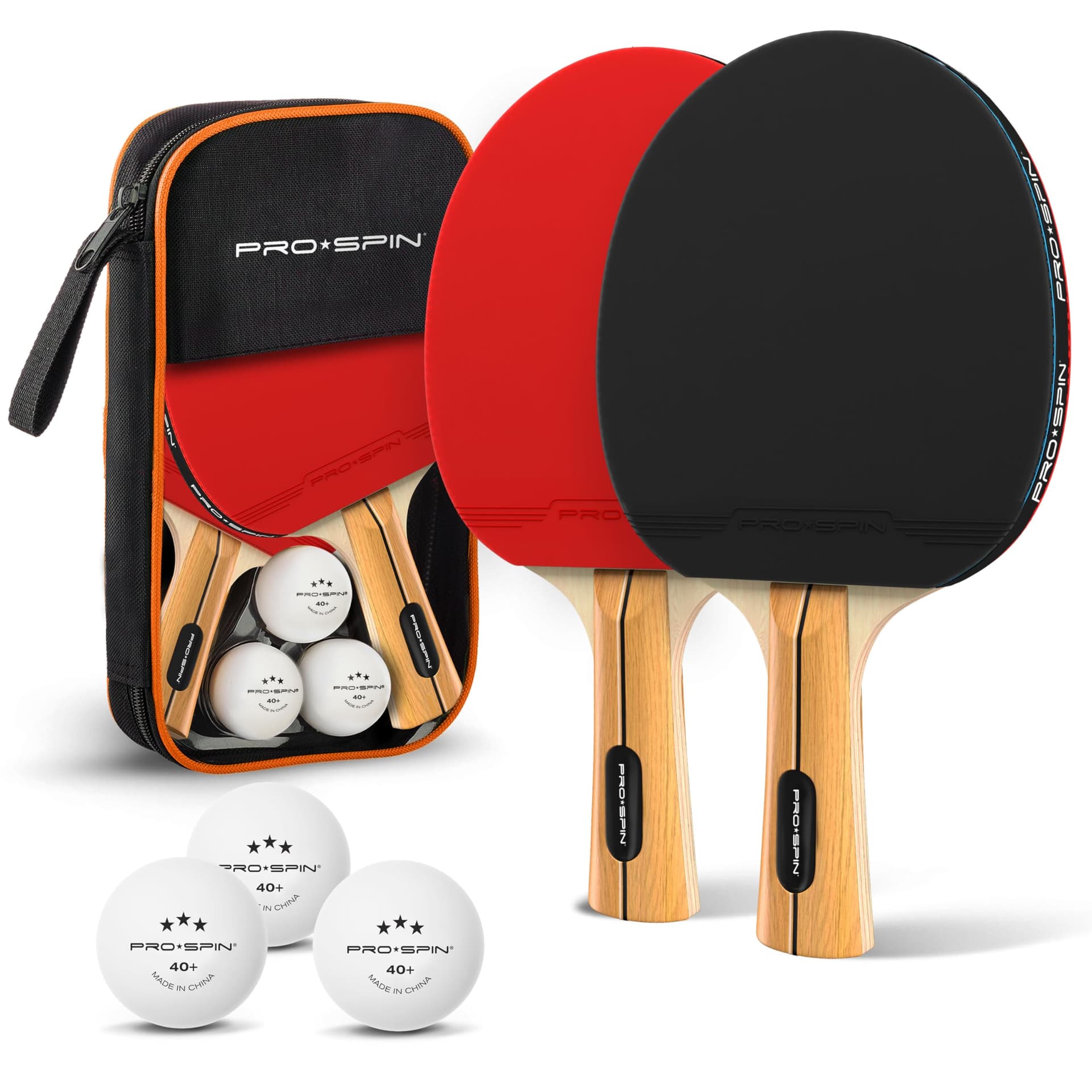
This evergreen guide is designed for recreational players, club beginners and parents buying a first paddle for a child. It breaks down the core paddle components (blade, rubber, sponge thickness, handle), explains common trade-offs (spin vs control vs speed), sets budget expectat
1. Blade: the paddle’s chassis and speed label
The blade is the wooden (or wood/composite) core that determines baseline speed and feel. Worldoftabletennis frames this for beginners as an “allround” choice: "For allround players, the paddle should be very moderate in speed, never too fast or too slow." For a first paddle pick an ALL or ALL+ style blade so the child can block, push, loop and counterattack without being overpowered.
2. Rubber: grip, spin and durability
Rubber is where spin and grip live; a mid-range rubber on pre-assembled paddles tends to give balanced performance for learners. Worldoftabletennis points out beginner-friendly kits "Often feature mid-range rubbers and an ALL-rated blade" — which is exactly the sweet spot: usable spin without sacrificing control while kids learn consistent strokes.
3. Sponge thickness: what you can tweak later
Sponge thickness changes speed and dwell time, but the excerpts do not include numeric mm values, so check spec sheets before buying. Worldoftabletennis lists "Rubber sponge thickness" as a variable to experiment with; my practical tip: start with a thinner-to-mid sponge on a kid's paddle, then swap rubbers later as technique improves.
4. Handle and grip: fit matters more than flair
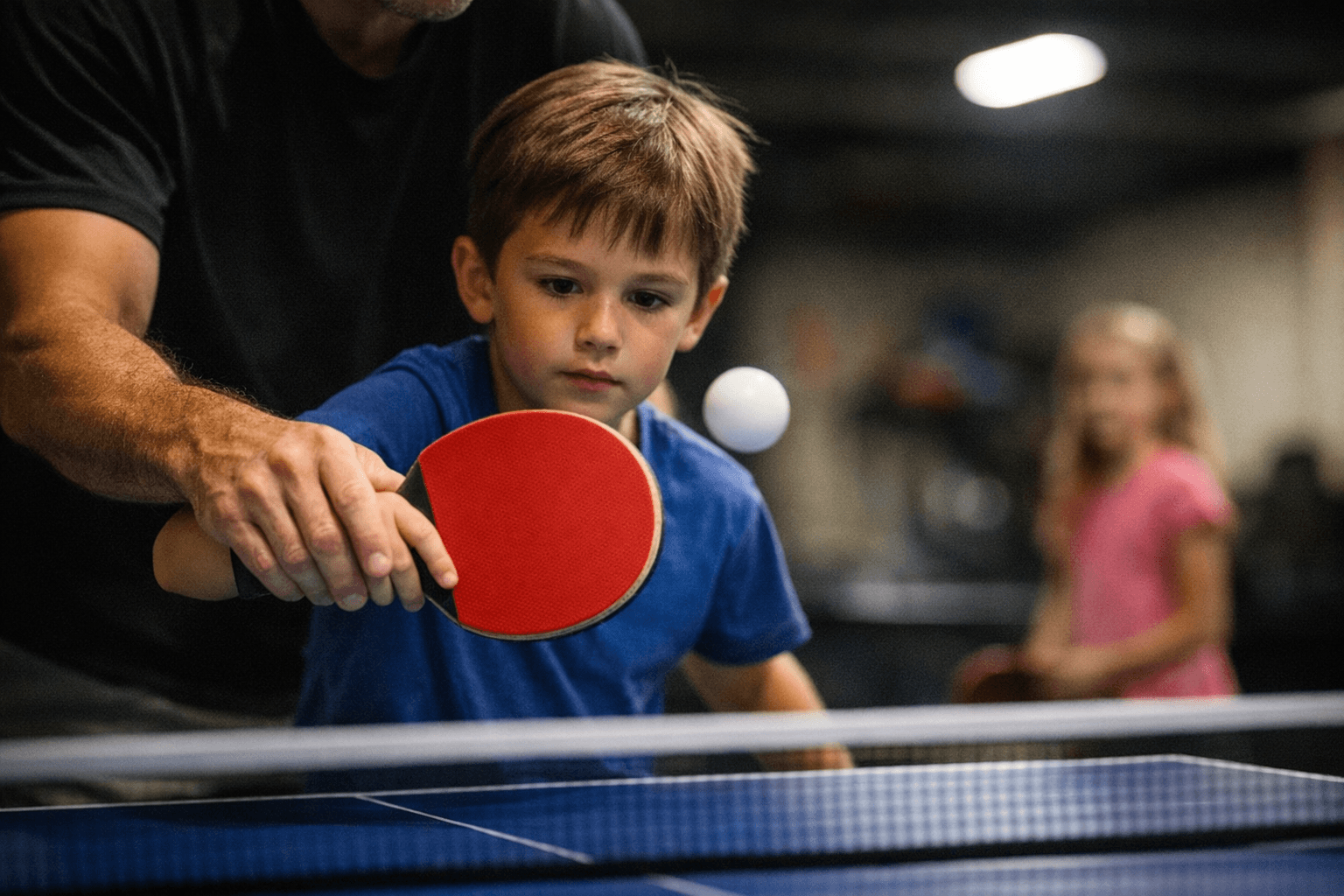
"Grip: The first aspect to examine is the paddle's grip. Look for a racket that offers a comfortable and secure grip. Pay attention to the handle shape, as it can greatly influence your playing style. Whether you prefer a flared or straight handle, choose the one that feels natural and allows you to maintain full control during intense rallies." That Stigaus guidance is literal—try both flared and straight handles in hand. For children, a handle that lets small fingers close around the neck without stretching is the main priority.
5. Weight and balance: comfort equals practice time
"Weight and Balance: Finding the right weight and balance for your paddle is crucial for sustained comfort and endurance during extended matches. Experiment with different weights and balance points to identify the combination that feels most natural and allows for effortless maneuverability." Stigaus nails it—if a child tires of the paddle, they stop practicing. Avoid heavy adult blades; look for light-to-midweight options and test swing feel in person.
6. Spin vs control vs speed: the trade-off explained
The Original Report notes these are the core trade-offs: "(spin vs control vs speed)". For beginners, err toward control-first: Worldoftabletennis recommends, "If you’re not sure about choosing, start with a control-first setup and upgrade rubbers or blades as you grow." That lets kids focus on technique before adding velocity that breaks their timing.
7. Pre-assembled vs custom: which path to take first
Worldoftabletennis lays out the choices: "Pre-Assembled Allround Paddles: Great for beginners to early intermediates; Convenient, budget-friendly; Often feature mid-range rubbers and an ALL-rated blade." Versus "Custom Allround Paddle Setup: Allows you to choose the exact blade and rubbers; Best for long-term progression; Lets you customise your setup based on performance." My call: buy pre-assembled for a first child paddle—cheaper, ready-to-play, and easy to replace—as long as it’s an ALL-style balance.
8. Experimentation roadmap: what to try as skills grow
Worldoftabletennis recommends experimenting with three variables: "Rubber sponge thickness; Handle types; Slightly faster blades (like ALL+ or OFF-)." Follow that exact sequence: lock in a comfortable handle and control-first rubber, then tweak sponge thickness, and only move to a slightly faster blade (ALL+ or OFF-) once stroke consistency is reliable.
9. Brands and model discovery: where to look next
Worldoftabletennis says their tested top options include blades from Yasaka, Xiom, Stiga, etc., and tells readers to "Check out our list of top 5 allround paddles recommended after testing." The supplied excerpts don’t include model names, so use those brand names as a starting point in-store or online and inspect product pages for exact specs before buying.
10. Shopping pitfalls and commerce copy to watch for
When buying online pay attention to retailer UIs: Stigaus shows promotional elements like "Bundle Builder - Add 4, Save 15%" and navigational text such as "Where to Buy" and "0" (cart count). Also read fine print—Stigaus includes a consumer disclosure that reads exactly: "One or more of the items in your cart is a recurring or deferred purchase. By continuing, I agree to the cancellation policy and authorize you to charge my payment method at the prices, frequency and dates listed on this page until my order is fulfilled or I cancel, if permitted." Don’t get surprised by subscriptions or recurring charges on a kid’s paddle order.
11. Feel and progression: a practical test plan
Worldoftabletennis’s ergonomic advice is concise: "Remember, your paddle should feel like an extension of your hand—not something you're fighting to control." Put that into practice—have the kid hold, swing and play a few simple rallies before purchase. If they miss easy blocks because the paddle is too heavy or the handle is awkward, walk away.
12. Final takeaway and forward step
Start control-first with an ALL-rated, mid-speed pre-assembled paddle from a reputable brand (Yasaka, Xiom, Stiga are good search terms), prioritise grip fit and light-to-mid weight, then upgrade sponge, rubber or blade as skills demand. As Stigaus puts it: "Remember, the right paddle can enhance your performance, amplify your skills, and ultimately bring you closer to table tennis mastery and ultimate table tennis glory." Keep the first purchase simple and replaceable—progression comes from practice, not the most expensive racket.
Know something we missed? Have a correction or additional information?
Submit a Tip