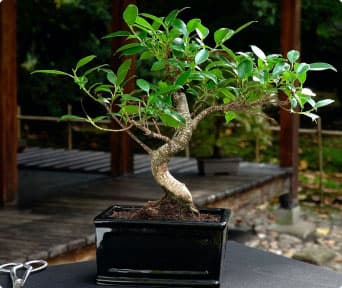
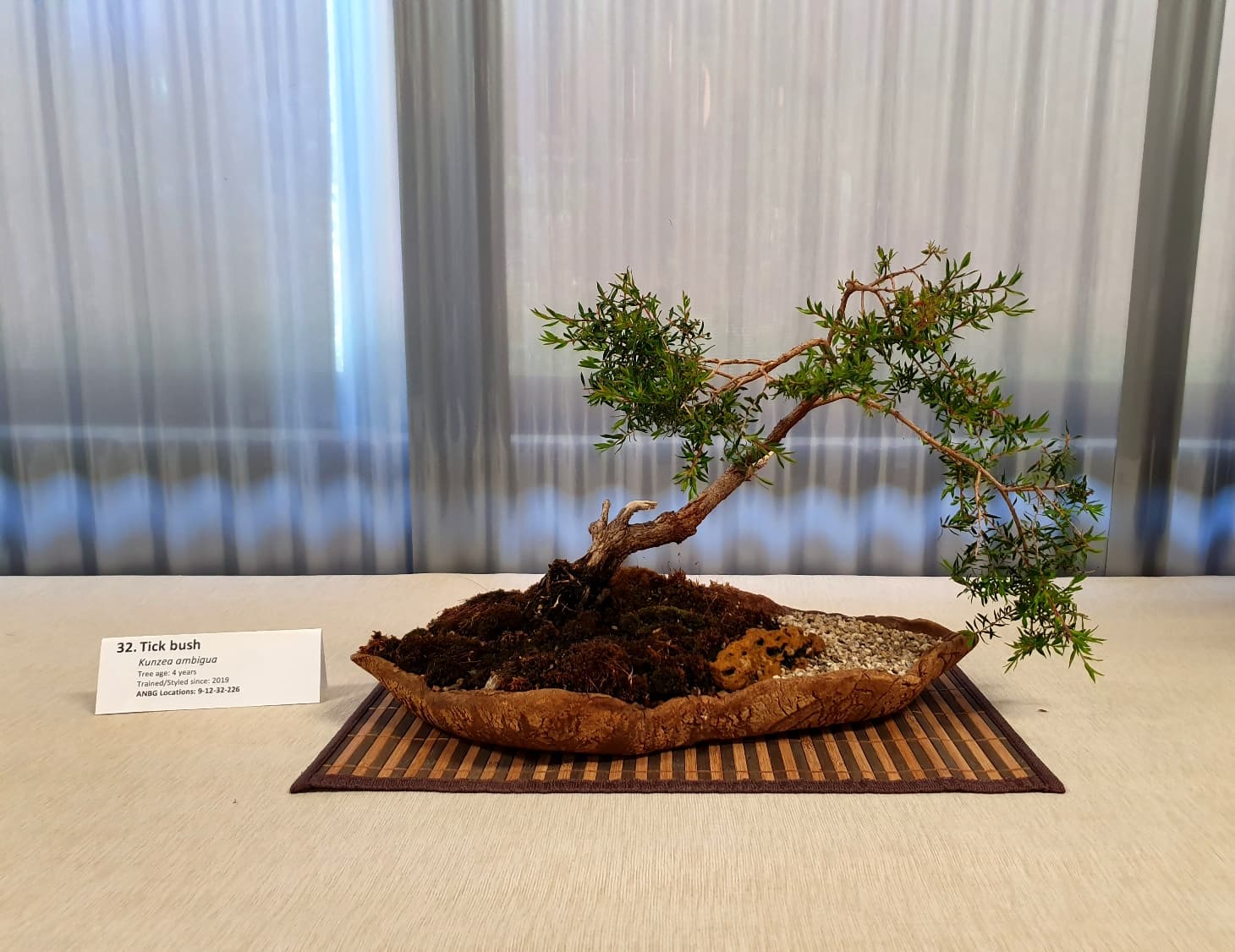
Choosing Your First Indoor Bonsai: Species, Light Brackets, Simple Soil Taxonomy
Match a forgiving species to your light and time: start small with a snake plant or pothos, consider colorful but tolerant Aglaonema, follow bright‑indirect light and let soil dry slightly between waterings.
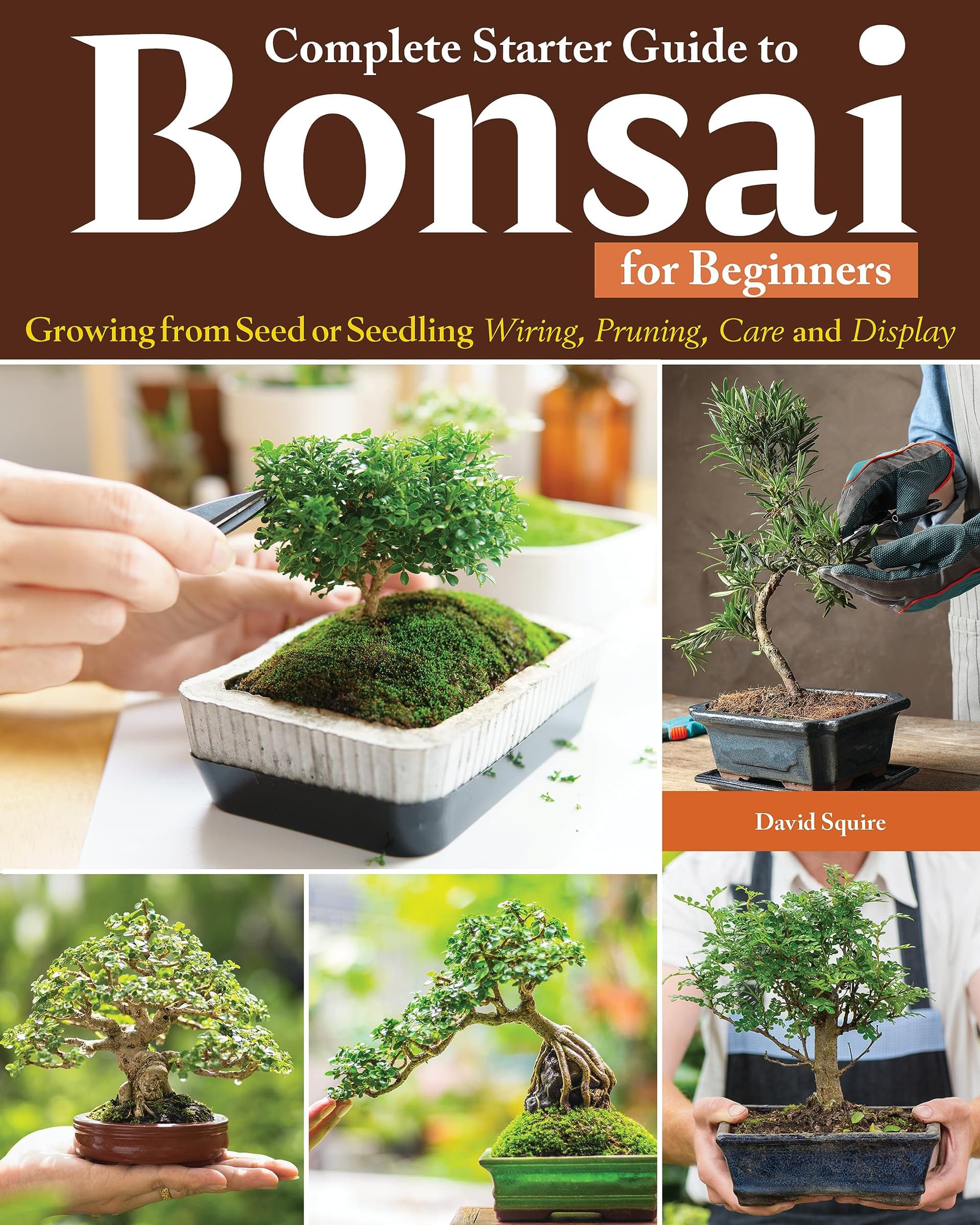
This evergreen guide is written as a compact, actionable decision tool for absolute beginners asking: “Which indoor bonsai should I choose first?” It is designed to be referenced across seasons and climates and to complement short, event‑focused news items. The guide organizes species choi
1. Species: quick cards for the easy starter list
Below are concise, source-grounded species cards so you can decide fast. Note: many source entries describe general evergreen houseplants rather than traditional bonsai species; the sources provided emphasize beginner-friendly indoor evergreens.
- Snake plant (Sansevieria)
The Planty Bloom excerpt lists the snake plant as one of its “Best Evergreen Indoor Plants (Easy Picks)” and explicitly advises, “Begin small. Choose one or two easy plants, like a snake plant or a pothos.” Proven Winners also lists a named variety in its Chinese evergreen companion list: Austere Luster™ Superba snake plant. Sources present it as a straightforward starter choice; no toxicity lines were provided in these excerpts.
- Pothos
Planty Bloom names pothos alongside the snake plant: “Begin small. Choose one or two easy plants, like a snake plant or a pothos.” Proven Winners includes a cultivar: Beautifall® Summer Nights™ pothos in its CHINESE EVERGREEN COMPANIONS list, signaling that pothos pairs well with low‑to‑medium indirect light plants.
- Chinese evergreen (Aglaonema)
Proven Winners’ “The Ultimate Guide to Growing Chinese Evergreen” (Contributors: Janet Loughrey) calls Aglaonema “a common tropical houseplant valued for its lush, decorative foliage and forgiving nature, making it a good choice for beginners.” The Spruce adds that “With plenty of varieties of Chinese evergreen (Aglaonema) to choose from, you can get a version of this easy-to-care-for plant in many different colors” and that “The plant comes in shades of pink and green, white, silver, or yellow.” The Spruce also explicitly warns, “The plant is toxic to dogs and cats.”
- Ponytail palm (Beaucarnea recurvata)
The Spruce lists Ponytail Palm (Beaucarnea recurvata) with its scientific name in the excerpt. No specific care steps are quoted in the excerpt, but the taxonomy and inclusion on a beginner list mark it as a commonly recommended houseplant option.
- Prayer plant
The Spruce notes the prayer plant’s “bright, beautiful leaves” and practical placement guidance: “Any beginner can either hang the plant or set it near a window for indirect sunlight. It can also handle longer light conditions, but make sure it's not placed in direct sun, which will burn the plant’s delicate leaves.”
- Air plants (Tillandsia stricta)
The Spruce describes a “variety of air plants” and gives range information: evergreen, perennial flowering plants “native to the forests and mountains and deserts of Central and South America and the Southern USA.” That geographical detail is explicit in the excerpt.
- Cordyline (Cordyline terminalis)
The Spruce: “This plant’s leathery, spikey leaves set it apart from other houseplants. And it comes in a range of colors… Cordyline thrives in a warm, humid environment and prefers having more sun. However, it's toxic to both cats and dogs.” Those lines are explicit and should guide pet‑owners.
- Philodendron cordatum (heartleaf), Syngonium podophyllum (White Butterfly), Anthurium andraeanum ('Red'), Schefflera arboricola
Comfortplants presents entries for Schefflera arboricola, Philodendron cordatum, Syngonium podophyllum and Anthurium 'Red' (Anthurium andraeanum) in its plant list; several description lines are truncated in the excerpts (for example, “Schefflera arboricola, commonly known as the umbrella plant or dwarf schefflera, is a versatile evergreen shrub that thrives in both indoor and ...”), so include those fragments verbatim as evidence where the source stops. These taxa are listed as common evergreen indoor plants in Comfortplants’ headings.
2. Light brackets: descriptive brackets you can use right now
The sources do not provide numeric lux or hours-based brackets; they work in descriptive light categories. Use these directly since no numeric light‑bracket data is present.
- Bright, indirect light (“beach umbrella”)
Comfortplants states, “Most evergreen indoor plants thrive in bright, indirect light. They generally prefer 'beach umbrella' lighting conditions rather than direct, intense sunlight.” Treat this as your default bracket for many beginner evergreens (Chinese evergreen, pothos, many philodendrons, prayer plant in indirect position).
- Low to medium indirect light
Proven Winners recommends you “Display Chinese evergreen alongside other plants with similar growing needs of low to medium indirect light, high humidity and moderate moisture.” That phrasing is an explicit placement cue for Aglaonema and its companions.
- More sun / warm, humid placements
Cordyline is explicitly noted as preferring “more sun” and a “warm, humid environment” in The Spruce excerpt. Use a brighter, sunnier window or a spot with stronger indirect light for Cordyline, but note the pet toxicity warning.
- Avoid direct sun for delicate leaves
The Spruce’s prayer plant guidance is explicit: place “near a window for indirect sunlight” and “make sure it's not placed in direct sun, which will burn the plant’s delicate leaves.” That is a hard rule for species with thinner leaf tissue.
Important bracket gap: no sources supplied numeric brackets (lux, foot‑candles, or hours/day). The excerpts give only descriptive cues; if you need strict measurements, follow up with photometric guidance or supplier specs.
3. Simple soil taxonomy (what's present and what is missing)
The provided material does not include a formal soil‑mix taxonomy (particle sizes, percentage blends, or bonsai-specific mixes). The Original Report’s fragment—“The guide organizes species choi”—is truncated and does not complete a soil taxonomy. Do not infer missing taxonomy; use only the explicit care and repotting guidance available.
- Watering and soil behavior (explicit)
Comfortplants gives the clearest rule: “Most indoor evergreen plants prefer their soil to dry out slightly between waterings. Overwatering is a common issue, so it's better to let the soil dry out a bit rather than keeping it constantly moist.” It also states, “Yellow leaves are often a sign of overwatering. Allow the soil to dry out more between waterings and ensure the plant's pot has proper drainage.”
- Humidity, drainage and troubleshooting
Comfortplants instructs: “You can increase humidity by misting the plants regularly, placing a pebble tray filled with water near them, or using a humidifier to create a more tropical environment.” The same source frames troubleshooting under the heading “Troubleshooting Common Issues” and closes with the friendly reminder: “Remember, every evergreen indoor plant is unique, just like every home. It might take a little trial and error to find the perfect spot and care routine for your indoor greenery. But don’t worry—that’s half the fun of being a plant parent!”
- Repotting and root‑check operational steps (Proven Winners, verbatim list)
- “Remove the plant from its pot.”
- “Inspect the root ball for any signs of rot or other damage.”
- “Cut out sections that are damaged, dead or mushy.”
- “This is a good time to check plants for any pest or disease problems.”
- “Place fresh potting soil in the bottom of the pot.”
- “Position the plant at the same level it was in the previous container.”
- “Add potting mix up to the base of the plant.”
- “Press down gently to firm the soil and remove air pockets.”
- “Water the plant slowly until liquid comes out of the bottom of the pot.”
When you repot or inspect roots, Proven Winners lists explicit procedural steps you can follow exactly:
Those lines are quoted verbatim in the provided excerpts and serve as an actionable potting checklist.
4. Practical beginner workflow (start small + micro habits)
Planty Bloom provides the simplest, source‑backed workflow: “Begin small. Choose one or two easy plants, like a snake plant or a pothos. Put them in a sunny spot and follow the care instructions. Watch them for a few weeks. If you like caring for them, add one more plant every few months.” Planty Bloom also recommends keeping a log: “Planty Bloom recommends keeping a small notebook. Note when you water and how the plant looks. This will help you learn and avoid mistakes over time.” Adopt that cadence: one or two plants → observe for weeks → add slowly, logging water and appearance.
5. Companions, retail notes and safety flags
Proven Winners’ CHINESE EVERGREEN COMPANIONS list is explicit and useful when grouping plants with similar needs: Austere Luster™ Superba snake plant; Beautifall® Summer Nights™ pothos; Urban Arches™ Pixie Punk™ spider plant; Prismacolor™ Fall Leaves™ blushing philodendron; Falling Arrows® Ruby Reign™ arrowhead vine. Proven Winners also instructs readers to “Check here to see if your Local Garden Center or The Home Depot® is carrying leafjoy®” and provides “Where to buy leafjoy® indoor plants near you: Find a leafjoy® Retailer.”
Pet safety must be flagged: The Spruce explicitly states that Chinese evergreen is “toxic to dogs and cats” and that Cordyline “is toxic to both cats and dogs.” If you share plants with pets, treat these lines as definitive warnings from the provided excerpts.
Final note and next steps This piece blends an Original Report intent—“Which indoor bonsai should I choose first?”—with source material that mainly covers evergreen houseplants. The explicit mismatch is preserved above: many sources discuss general indoor evergreens rather than bonsai‑specific species. Where the research provides truncated lines (for example, Comfortplants plant descriptions and the Original Report fragment “The guide organizes species choi”), I have preserved them as evidence. For a full bonsai‑specific soil taxonomy or numeric light brackets, the excerpts lack those details and further reporting is required. In the meantime, use the compact decision tools here: start small, match one of the species above to a descriptive light bracket, follow Proven Winners’ repotting checklist when you pot, and apply Comfortplants’ watering and humidity rules—those are the explicit, actionable steps the sources provide.
Know something we missed? Have a correction or additional information?
Submit a Tip