Christopher Nolan’s The Odyssey keeps IMAX 70mm film alive
Christopher Nolan brought The Odyssey to FotoKem, where the last lab making 70mm prints is finishing the first feature shot entirely on IMAX film.

Christopher Nolan took The Odyssey to FotoKem, the last motion-picture lab in the world that still makes 70mm prints, turning a blockbuster release into a test of whether analog film can survive the digital age.
Scott Pelley visited the lab with Nolan as finishing touches were being made to the film, which CBS News described as the first feature shot entirely on IMAX film. IMAX says The Odyssey will open in IMAX 70mm Film on July 17, 2026, with Matt Damon starring as Odysseus in the story of his perilous voyage home after the Trojan War.
Nolan said he wanted to make “the most extreme version” of the story possible and to put the audience inside the film rather than simply having them watch it. He told CBS, “I feel a real responsibility to try and get as much on screen for the audience as possible to give the audience the fullest flavor ... the most extreme version of a story possible.” That approach has made IMAX film not just a stylistic choice, but the backbone of the production.

The technical demands are substantial. CBS reported that the IMAX 70mm frame can deliver image quality up to three times higher than digital cameras. IMAX says its 15-perf/70mm presentation offers almost 10 times the resolution of standard film projection, and select 70mm venues can expand sequences to a 1.43:1 aspect ratio. That scale is part of the appeal: the format is built to make landscapes, action and scale feel larger than what most digital presentations can deliver.
But the film’s real importance reaches beyond one title. FotoKem describes itself as a major motion-picture lab specializing in 65mm and 70mm workflows, and says it offers the widest range of 65mm/70mm post-production services on the planet. That kind of infrastructure is increasingly rare, and it matters because a movie like The Odyssey cannot simply be captured once and handed off to any theater. It depends on specialized labs, film stock, processing, printing and projection rooms that can handle large-format film from capture to screen.
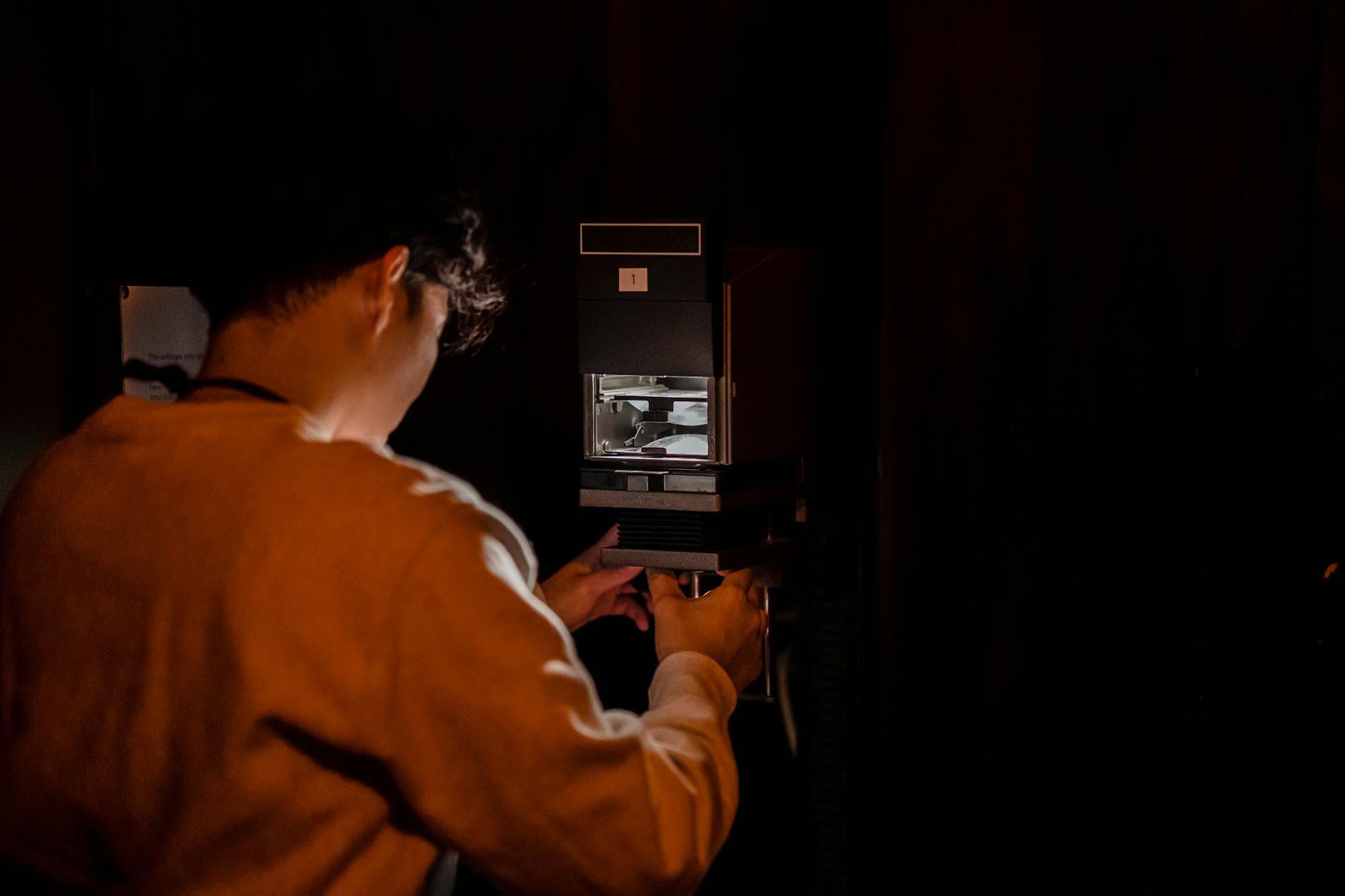
IMAX has made that pipeline part of its Filmed For IMAX program, and The Odyssey sits at the center of it. As Nolan keeps pushing for the largest possible image and the most immersive possible presentation, the question is no longer whether film can still look spectacular. It is whether the laboratories and theaters that make 70mm possible can remain standing long enough to keep proving it.
This article was produced by Prism’s automated news system from verified source data, official records, and press releases, then run through automated quality and moderation checks before publishing. The system is built and supervised by the people who set the standards it runs under. Read our full AI policy.
Did this article answer your question?