Chrome nears final cutoff for ad-blocking extensions like uBlock Origin
Chrome is about to remove the last loophole that kept uBlock Origin alive, forcing users to choose weaker blockers, a new browser, or no protection at all.
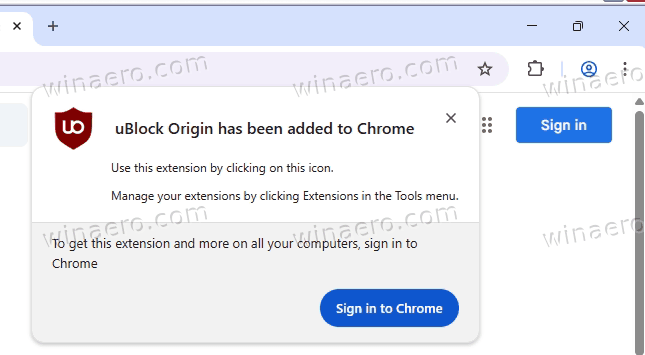
Chrome is closing the last practical escape hatch that kept ad blockers like uBlock Origin working for people who use them to strip tracking scripts, speed up crowded pages, and avoid scammy ads. Chrome 150 is expected to remove the internal kExtensionManifestV2Disabled flag, and Chrome 151 is set to clear out the remaining Manifest V2 flags, ending a workaround that had kept older extensions alive after Google’s broader shift to Manifest V3.
Google has said Manifest V2 extensions are no longer allowed in any supported version of Chrome and that it cannot keep the old functionality alive forever because of complexity, technical debt and security risks. The company’s extension team has also argued that Manifest V3 is meant to improve safety, privacy, performance and trustworthiness, even as users who depend on stronger blocking tools have seen their control over the browser narrow.

The cutoff did not come out of nowhere. Google said it would begin automatically disabling Manifest V2 extensions in Chrome Dev, Canary and Beta in June 2024, and Chrome’s own rollout notes warned that users would start seeing banners in chrome://extensions while Manifest V2 items lost their Featured badge in the Chrome Web Store. The company later said Chrome 138 was the final version to support Manifest V2 when paired with the ExtensionManifestV2Availability policy, while Chrome 139 would remove support for all users at once. A Google Help community answer in 2025 told organizations relying on that policy to migrate by June 2025.
uBlock Origin describes itself as a free, open-source ad blocker and content blocker, and its maintainer warned Chrome users in GitHub that warning messages began with Chrome 127. The project says Chrome and Chromium users are pushed toward uBlock Origin Lite, while Google’s own rollout notes said disabled extensions would steer users toward Manifest V3 alternatives. 9to5Google said the latest cleanup will also affect other Chromium-based browsers, including Microsoft Edge and Opera, turning Chrome’s decision into a wider reset of the browser ecosystem. For users who want privacy and ad blocking without the tradeoffs of Manifest V3, the message is blunt: Chrome is finishing the transition, not pausing it.
This article was produced by Prism’s automated news system from verified source data, official records, and press releases, then run through automated quality and moderation checks before publishing. The system is built and supervised by the people who set the standards it runs under. Read our full AI policy.
Know something we missed? Have a correction or additional information?
Submit a Tip