CIA chief visits Cuba as island runs out of fuel
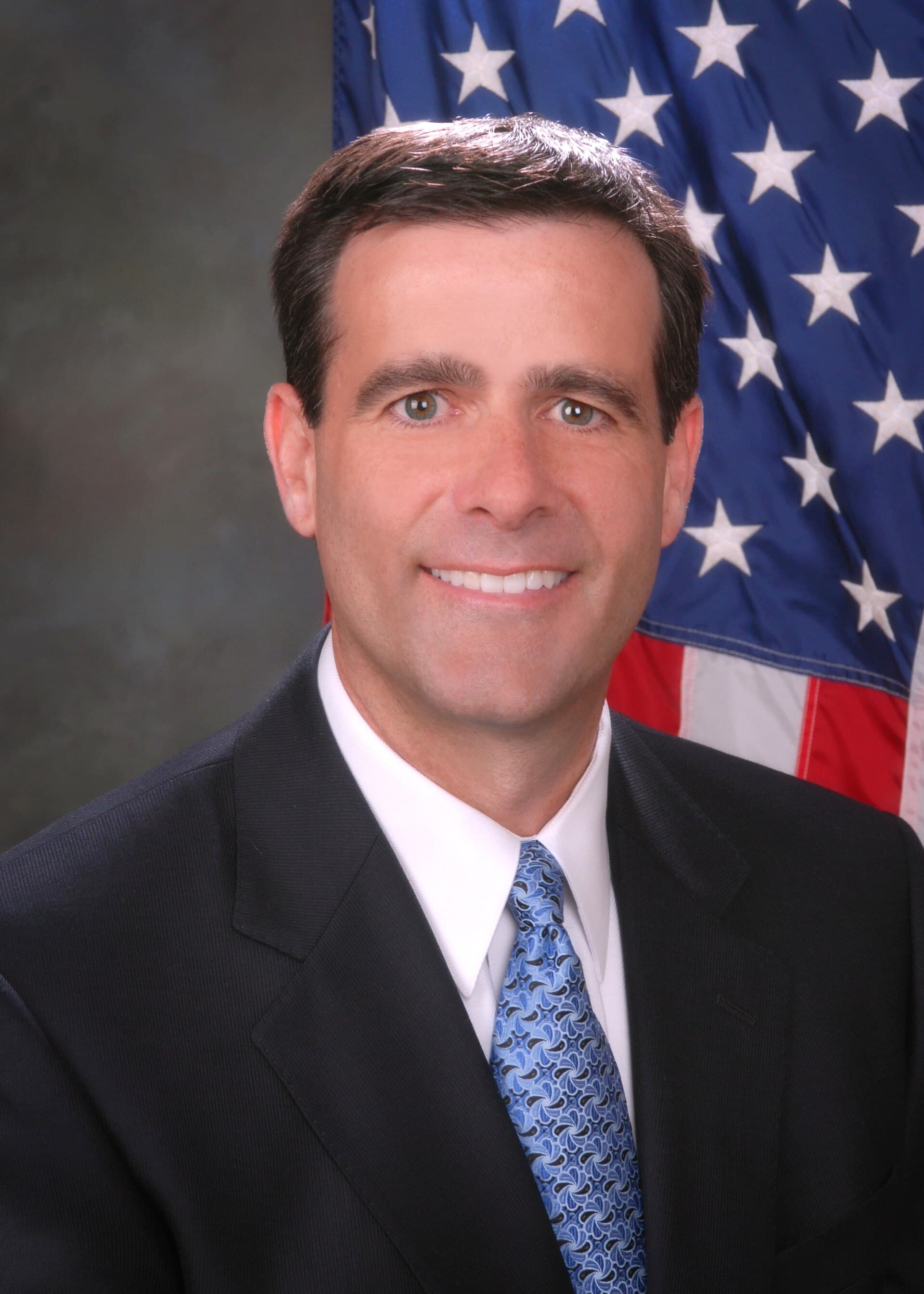
Ratcliffe’s Havana trip landed as Cuba said it had run out of diesel and fuel oil, with blackouts lasting up to 22 hours a day. The visit raised a deeper question about Washington’s Cuba reset.
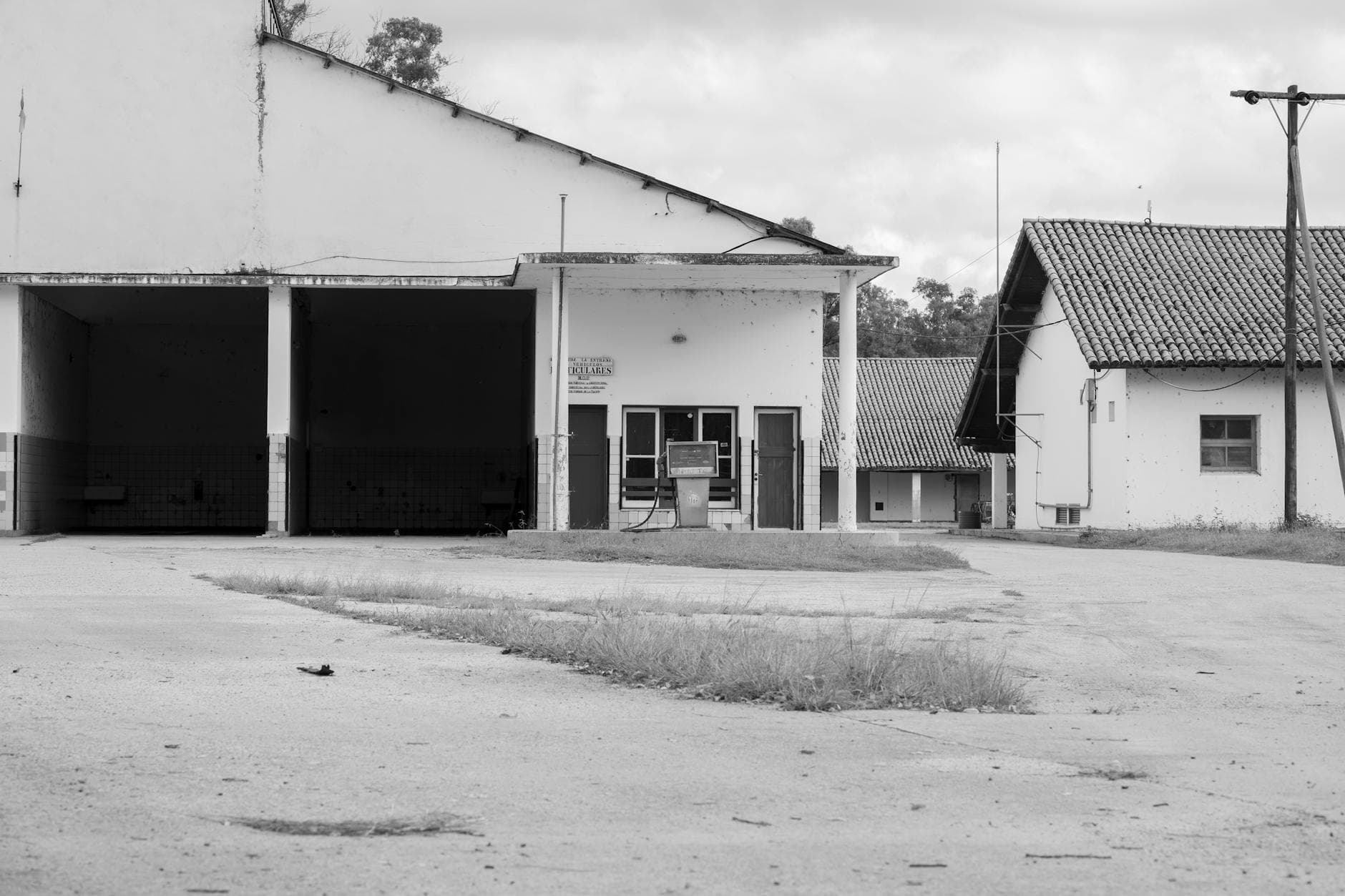
John Ratcliffe’s rare trip to Havana came as Cuba said it had completely run out of diesel and fuel oil, pushing blackouts in parts of the island to 20 to 22 hours a day and fueling rare protests around the capital. The timing made the visit striking: a CIA director was sitting down with Cuban officials while the country’s power system was buckling and the government said the grid was in a “critical” state.
Vicente de la O Levy, Cuba’s energy minister, said on May 13 that there were “absolutely no fuel” reserves left. Reuters reported that Havana was facing its worst rolling blackouts in decades, and residents in and around the city took to the streets over the outages and fuel shortages. The crisis has carried clear humanitarian costs, with the United Nations saying last month that needs on the island remained acute and persistent despite some limited fuel arrivals.
Ratcliffe met Raúl Guillermo Rodríguez Castro, the grandson of former Cuban leader Raúl Castro, along with Interior Minister Lázaro Álvarez Casas and the head of Cuban intelligence services. A CIA official said Ratcliffe was there to deliver President Donald Trump’s message that the United States was prepared to seriously engage on economic and security issues, but only if Cuba made fundamental changes. Cuban officials said the meeting was requested by Washington and said they told the Americans Cuba was not a threat to U.S. national security.
The encounter also unfolded against a fresh humanitarian overture from Washington. The U.S. State Department publicly restated an offer of $100 million in direct humanitarian assistance to the Cuban people, to be coordinated with the Catholic Church and other reliable independent humanitarian organizations. Secretary of State Marco Rubio also said the United States had offered to distribute more than $6 million in humanitarian aid through the Catholic Church after a hurricane.
That combination of pressure and outreach suggests the visit was more than diplomatic curiosity. Cuba says the crisis worsened after the United States tightened fuel-shipment restrictions in January 2026, a move Havana describes as an oil blockade. With migration, border security and regional stability all at stake, Ratcliffe’s visit points to a U.S. policy that may be recalibrating quietly even as official relations remain openly strained.
This article was produced by Prism’s automated news system from verified source data, official records, and press releases, then run through automated quality and moderation checks before publishing. The system is built and supervised by the people who set the standards it runs under. Read our full AI policy.
Did this article answer your question?


