CIG tracks UAE-linked network funneling Colombian mercenaries into Sudan war
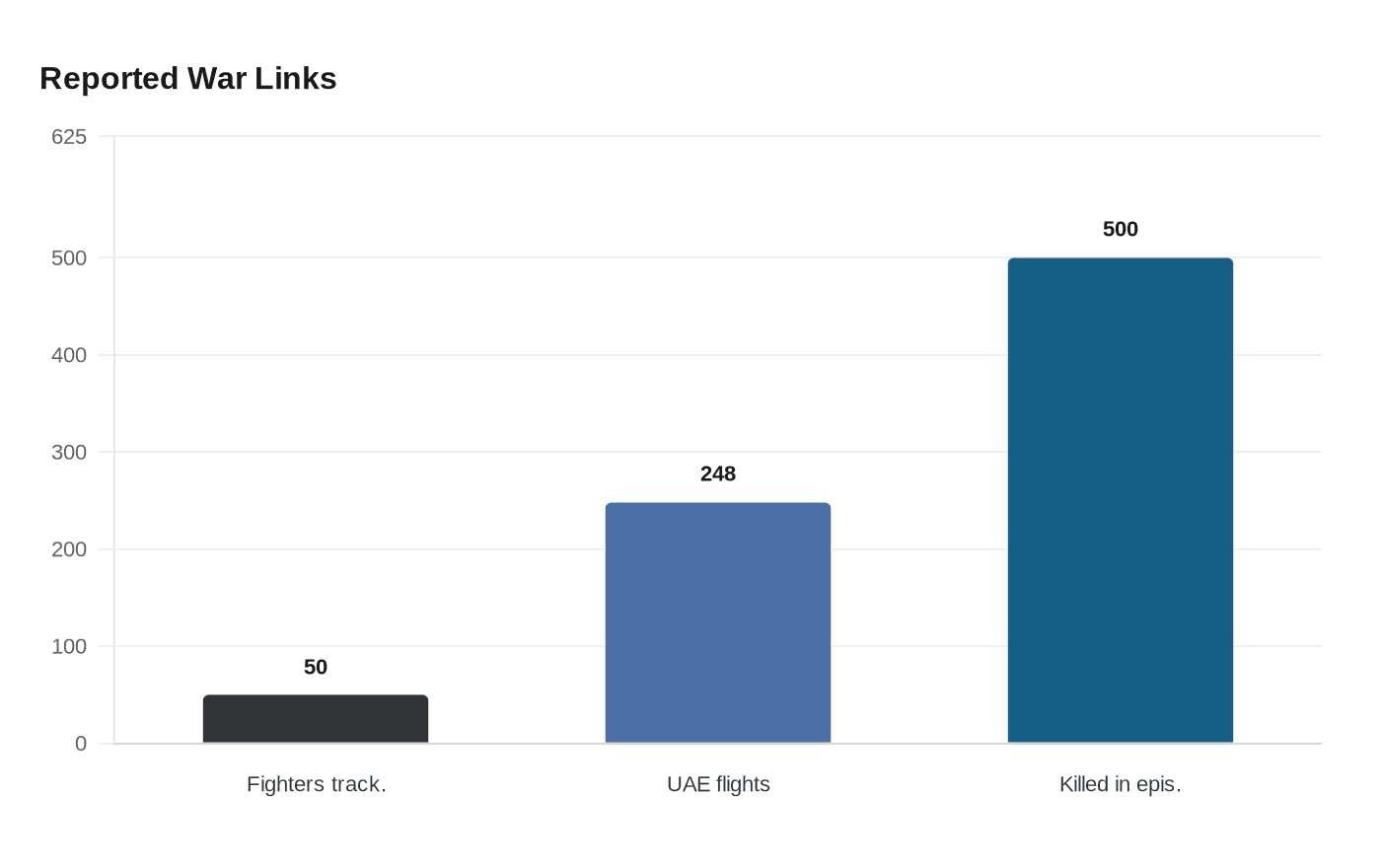
Phone data from more than 50 Colombian fighters traced a UAE-linked pipeline into Sudan, where mercenaries allegedly joined the RSF and widened the war.
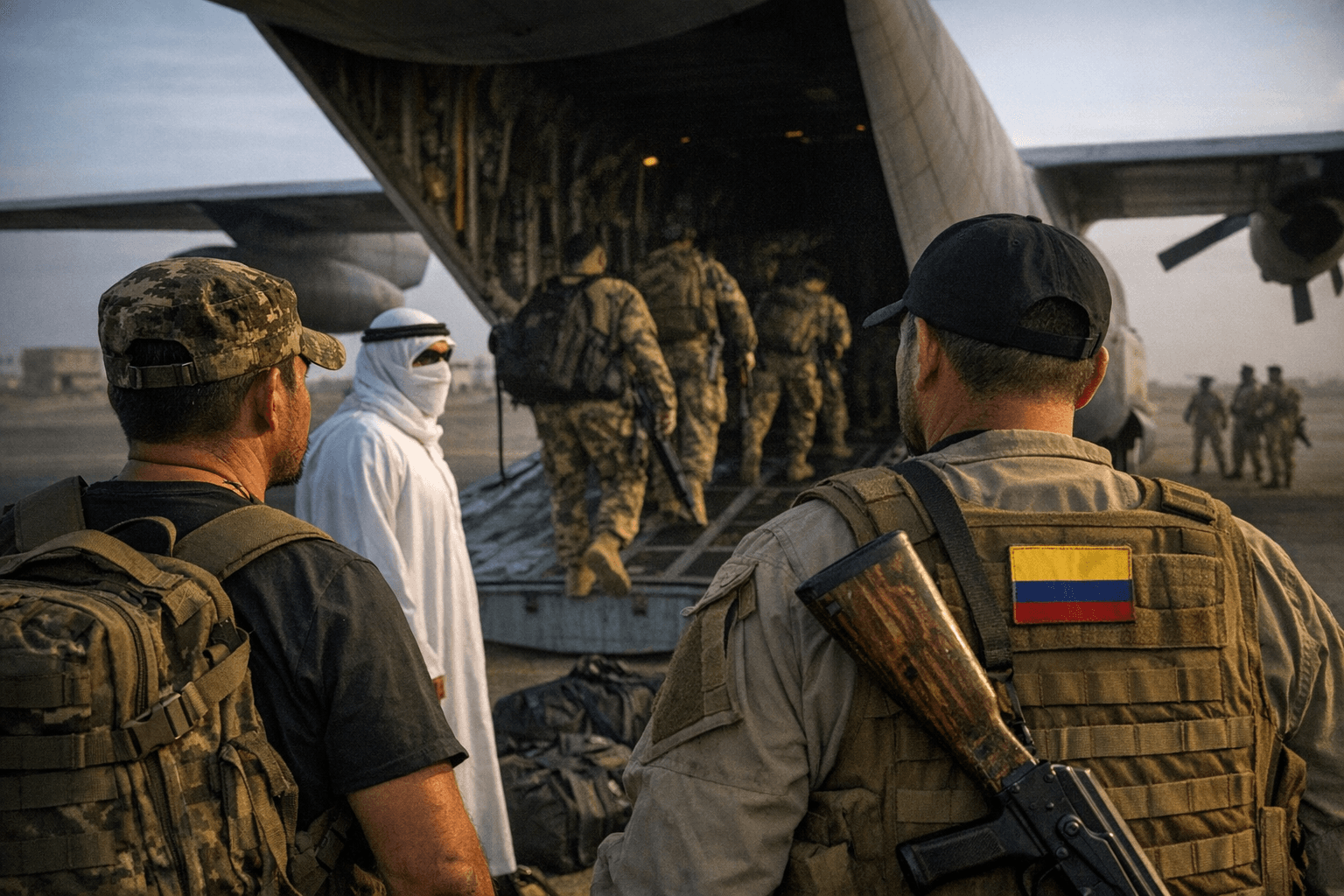
Mobile-phone tracking data from more than 50 Colombian fighters has exposed a route that ran from the United Arab Emirates through Bosaso in Puntland and Benghazi in Libya into Sudan, turning a long-running suspicion about outside backing into a traceable network. The Conflict Insights Group said the data helped map how foreign recruits were moved into a war that began on April 15, 2023, when fighting erupted between the Sudanese Armed Forces and the Rapid Support Forces, and has since become the world’s worst humanitarian crisis, with tens of thousands killed and millions displaced.
The pattern aligns with United Nations findings that Colombian mercenaries were flown from the UAE to Bosaso, then on to Benghazi and into Sudan. UN experts said the fighters were organized under the name “Desert Wolves” and were presented as security and protection services, but in practice were deployed to fight alongside the RSF. Sudanese authorities identified at least 248 UAE-chartered flights between November 2024 and February 2025 that they said were used to move mercenaries, weapons and military equipment into the country, with the flights totaling 15,268 flight hours.
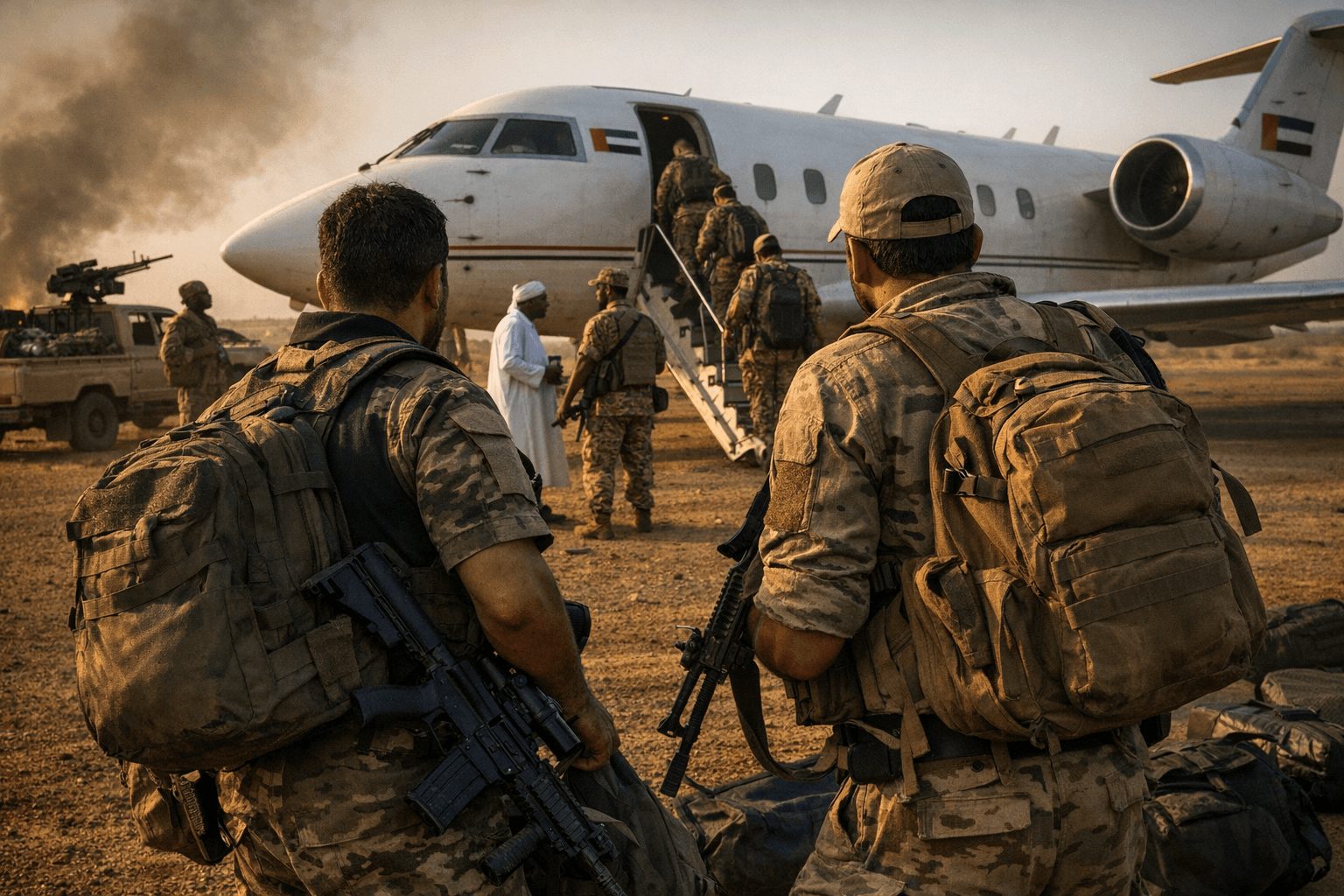
Those logistics routes mattered most in Darfur, especially around Nyala, El Fasher and Hamrat al-Sheikh. El Fasher, before the war, had a population of more than one million and hosted hundreds of thousands of displaced people, making it one of the conflict’s most vulnerable cities. UN reporting said violence there reached extraordinary levels, including one episode in which around 500 people were killed, underscoring how foreign fighters and imported support systems fed directly into the war’s bloodiest front lines.
The latest evidence has also sharpened diplomatic pressure. On April 17, 2026, the U.S. Treasury Department’s Office of Foreign Assets Control sanctioned three people and two firms over allegations that they recruited Colombian mercenaries for the RSF. Colombia has publicly apologized for the participation of some of its citizens in the war, and Foreign Minister Luis Gilberto Murillo reportedly spoke with Sudanese Foreign Minister Ali Yousif about repatriating the mercenaries. The United Arab Emirates has long denied supporting the RSF, but the phone records, flight logs and sanctions together point to a conflict that has moved well beyond Sudan’s borders, with foreign money, transit hubs and hired fighters now built into its machinery.
This article was produced by Prism’s automated news system from verified source data, official records, and press releases, then run through automated quality and moderation checks before publishing. The system is built and supervised by the people who set the standards it runs under. Read our full AI policy.
Did this article answer your question?