Mexico boosts tourist site security after deadly Teotihuacan shooting before World Cup
National Guard troops patrolled Teotihuacan after a shooting killed a Canadian tourist and injured 13 others, forcing Mexico to tighten security before the World Cup.
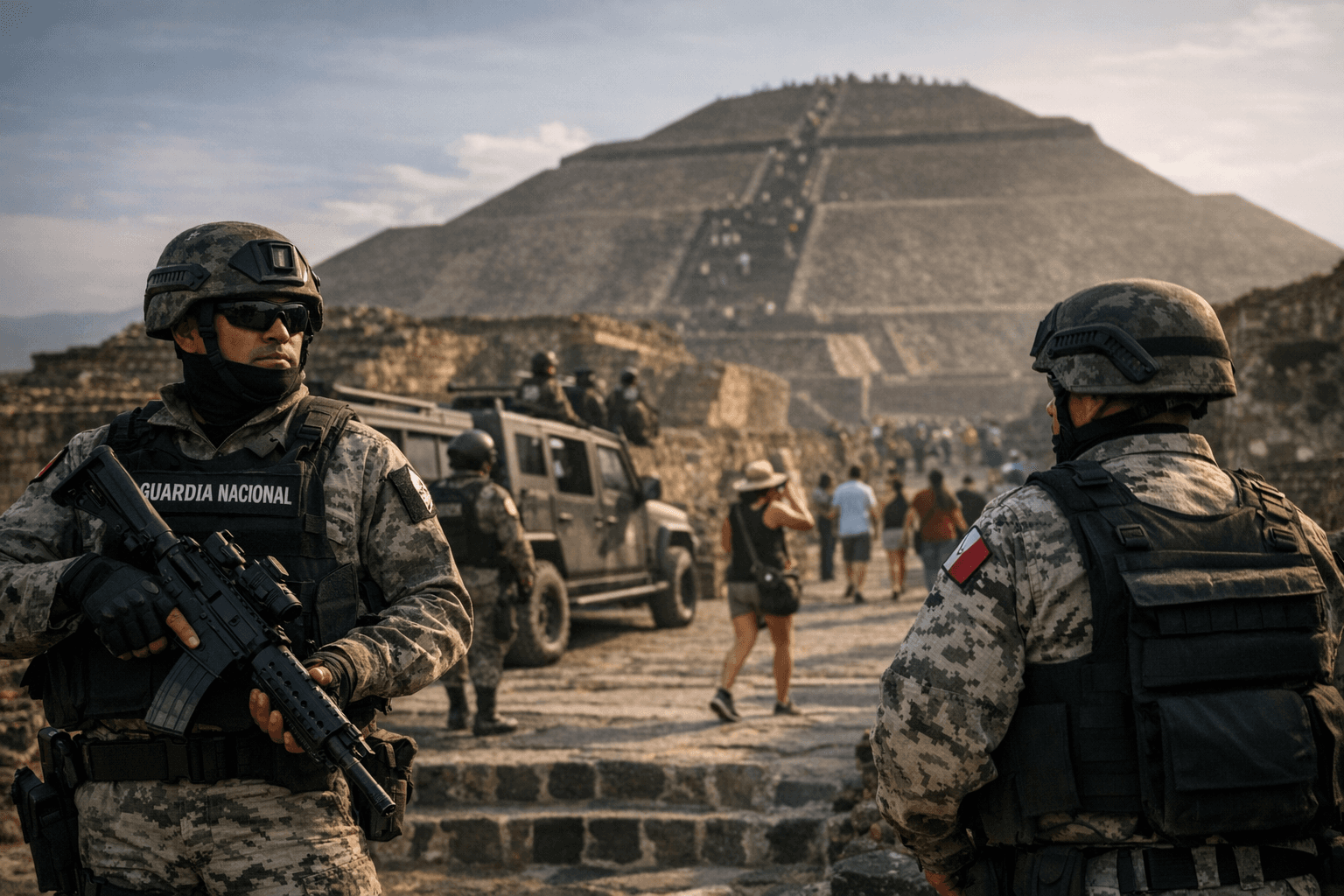
National Guard troops were patrolling Teotihuacan the next day, and the site remained closed, after a gunman opened fire atop one of the pyramids and killed a Canadian tourist. Mexico’s government moved quickly to strengthen security at archaeological sites and major tourist destinations, turning a heritage landmark outside Mexico City into an immediate test of the country’s safety message before the World Cup.
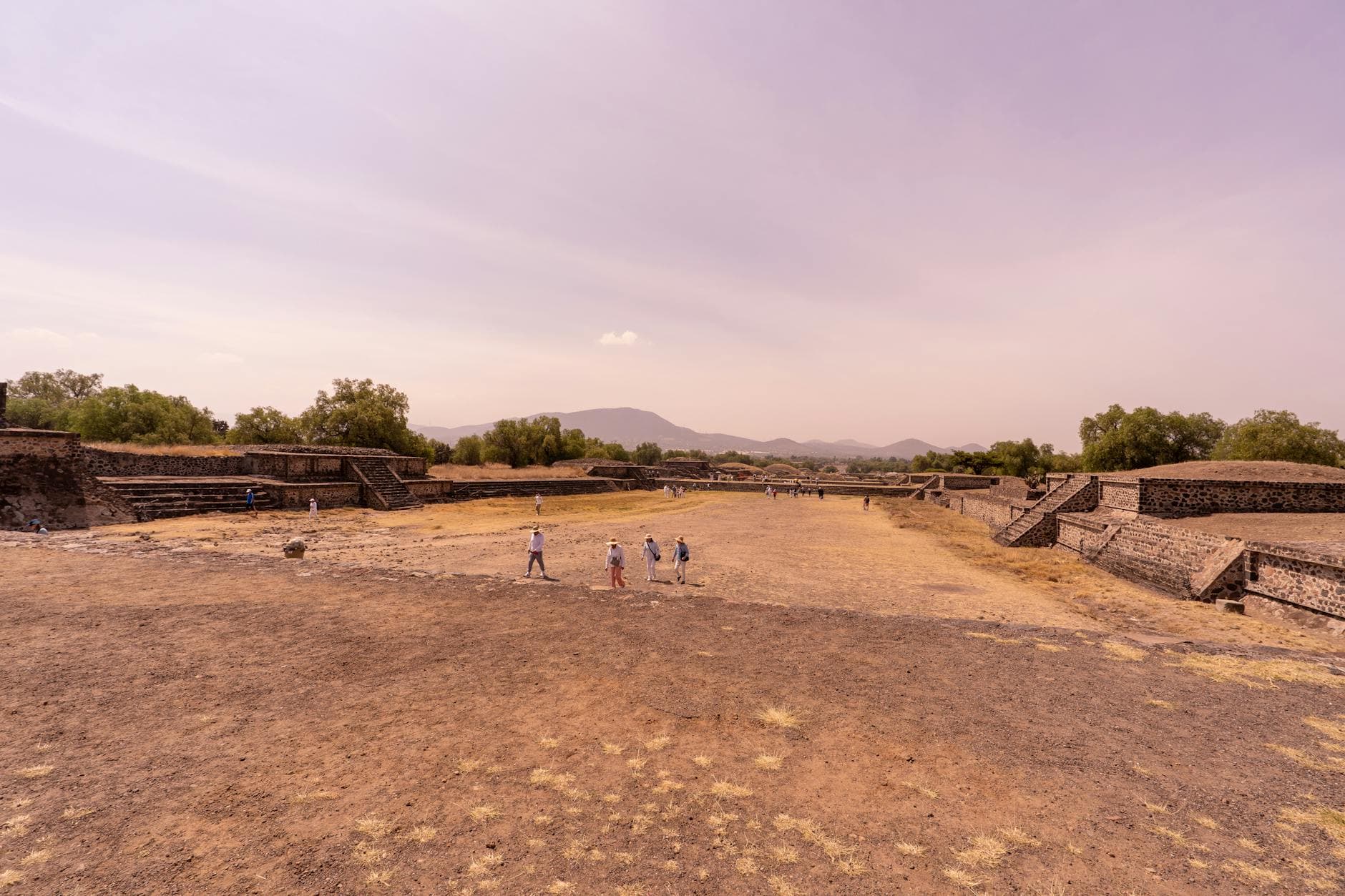
The attack struck one of Mexico’s most visited attractions, a UNESCO World Heritage Site about an hour from the capital that had been expected to draw large crowds during World Cup festivities. Local lawmakers had recently pushed to revive a nighttime interactive light show projected on the pyramids for visiting fans, a reminder that Teotihuacan was not only a historic site but also part of the tourism pitch surrounding the tournament.
President Claudia Sheinbaum said the site lacked security filters and described the shooting as an isolated incident, while Security Secretary Omar García Harfuch ordered protection to be immediately strengthened nationwide. Sheinbaum also said security needed to be tightened so that someone could not enter an archaeological or tourist site with a firearm. The response underscored the tension between preserving open access to cultural landmarks and imposing the screening and armed presence now being demanded by officials.
Authorities said 13 other people were injured, including six Americans, three Colombians, two Brazilians, one Russian and one Canadian. The youngest injured person was 6 years old and the oldest was 61. Mexico State Prosecutor Jose Luis Cervantes Martinez identified the shooter as 27-year-old Julio Cesar Jasso Ramirez and said he had made preliminary visits to the site, stayed in hotels nearby and planned the assault from there.
Investigators also said Jasso Ramirez appeared influenced by the 1999 Columbine massacre in Colorado. The detail deepened concern in a case that had already raised alarms because it unfolded at a site expected to be central to World Cup tourism, at a time when Sheinbaum’s government has been trying to project calm despite a surge of cartel violence in Guadalajara, one of Mexico’s host cities. Mexican security analyst David Saucedo said incidents like this amplify negative perceptions of Mexico’s security and weaken the government’s narrative.
This article was produced by Prism’s automated news system from verified source data, official records, and press releases, then run through automated quality and moderation checks before publishing. The system is built and supervised by the people who set the standards it runs under. Read our full AI policy.
Did this article answer your question?