Taiwan cancels Eswatini trip after African states revoke overflight rights
Seychelles, Mauritius and Madagascar pulled flight clearance, forcing Lai Ching-te to scrap a trip that would have been his first overseas visit in more than a year.
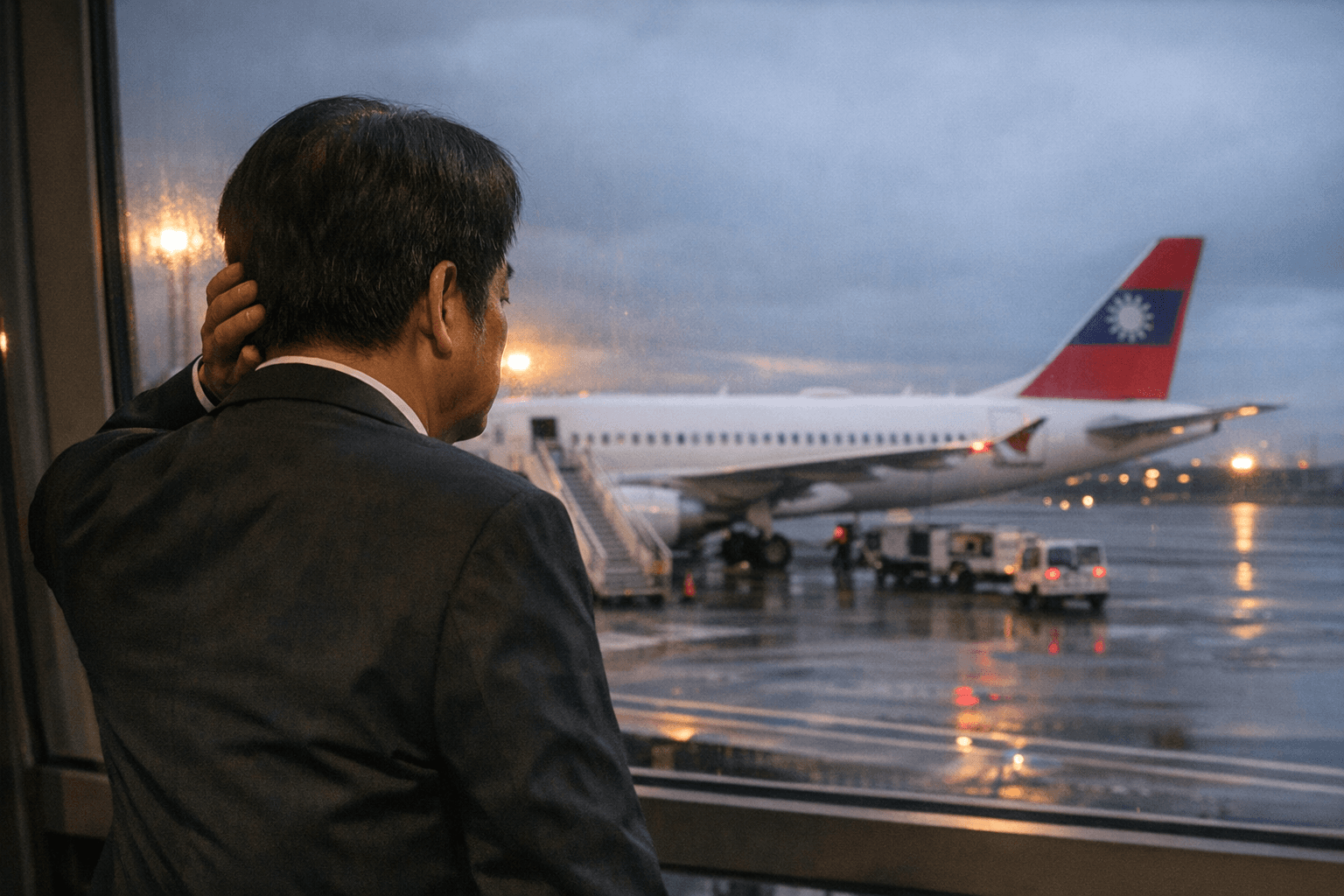
Three Indian Ocean states revoked overflight rights for Taiwan’s presidential aircraft, forcing President Lai Ching-te to cancel a planned trip to Eswatini and offering a sharp example of how Beijing can narrow Taiwan’s diplomatic space without a formal confrontation.
Taiwan said the permissions were withdrawn by Seychelles, Mauritius and Madagascar without prior warning, and that the cancellations were driven by Chinese pressure, including what a senior Taiwanese security official described as economic coercion. The decision killed off a four-day visit scheduled for April 22 to 26, which would have been Lai’s first overseas trip in more than a year.
The canceled journey carried more than ceremonial weight. Lai had been set to visit Eswatini to mark the 40th anniversary of King Mswati III’s accession to the throne and his 58th birthday. Eswatini is Taiwan’s only remaining diplomatic ally in Africa and one of just 12 countries worldwide that still maintain formal ties with Taipei, making every cut in access feel strategically significant.
China’s foreign ministry later praised the three African countries for their actions and said their adherence to the one-China principle was in line with international law. That response highlighted the wider contest around Taiwan’s international reach, where Beijing has repeatedly used diplomatic pressure to restrict Taipei’s movement in third countries, especially across Africa.
Taiwan and Eswatini established formal relations in 1968, and King Mswati III attended Lai’s inauguration in 2024. Despite the disruption, Eswatini said the cancellation did not alter the long-standing bilateral relationship. A spokeswoman for the kingdom said the ties remained unchanged, and Taiwan’s Presidential Office said a special envoy would attend the celebrations in Eswatini on Lai’s behalf.
Lai, who has made preserving Taiwan’s remaining partnerships a central part of his diplomacy, said his administration would not be deterred by threats or repression and that Taiwan remained determined to engage with the world. The overflight denials underscored a harsher reality: for Taipei, even a routine ceremonial visit can be blocked far from home when Beijing turns pressure on states that control the skies.
This article was produced by Prism’s automated news system from verified source data, official records, and press releases, then run through automated quality and moderation checks before publishing. The system is built and supervised by the people who set the standards it runs under. Read our full AI policy.
Did this article answer your question?