El Salvador begins mass trial of 486 alleged MS-13 gang members
A Salvadoran court put 486 alleged MS-13 members on trial over more than 47,000 crimes, a sweeping test of due process under Bukele’s security model.
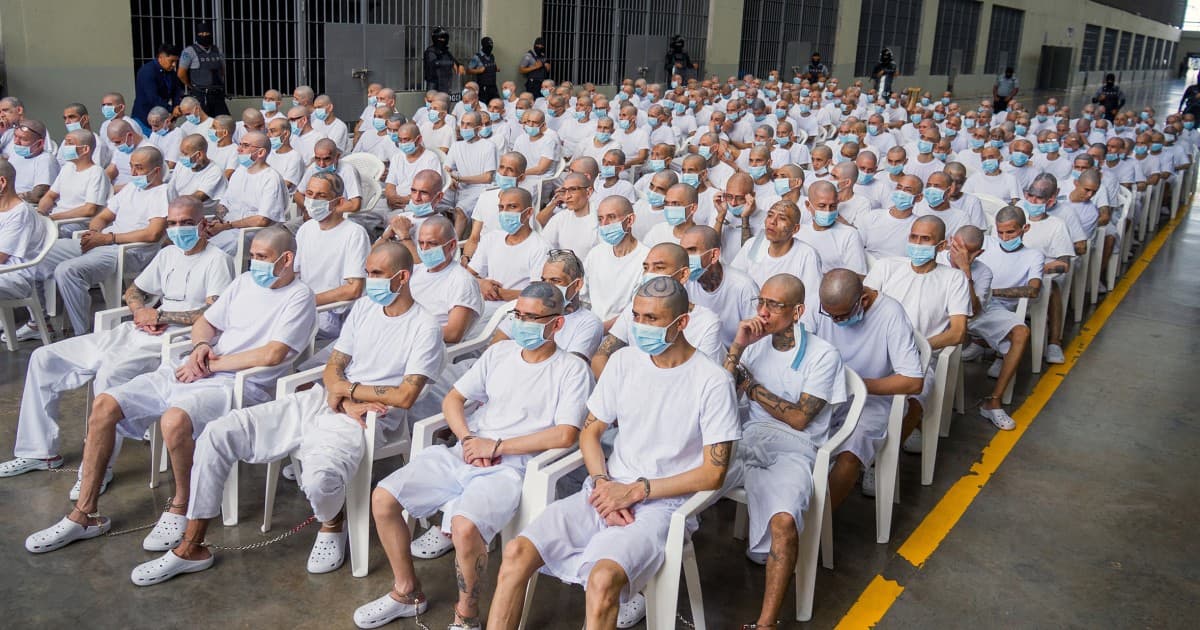
A Salvadoran court opened a collective trial of 486 alleged MS-13 members, turning one of President Nayib Bukele’s most aggressive security measures into a direct test of due process. Prosecutors said the case spans more than 47,000 crimes committed from 2012 to 2022, including homicide, femicide, extortion, drug trafficking and arms trafficking.
The proceedings added a new layer to a campaign that began after a deadly weekend in late March 2022, when 87 people were killed. Bukele’s government responded by declaring a state of emergency that suspended constitutional rights and has been repeatedly renewed since. Under those emergency powers, security forces have detained more than 91,500 people, and Congress of El Salvador later approved a decree allowing mass trials.
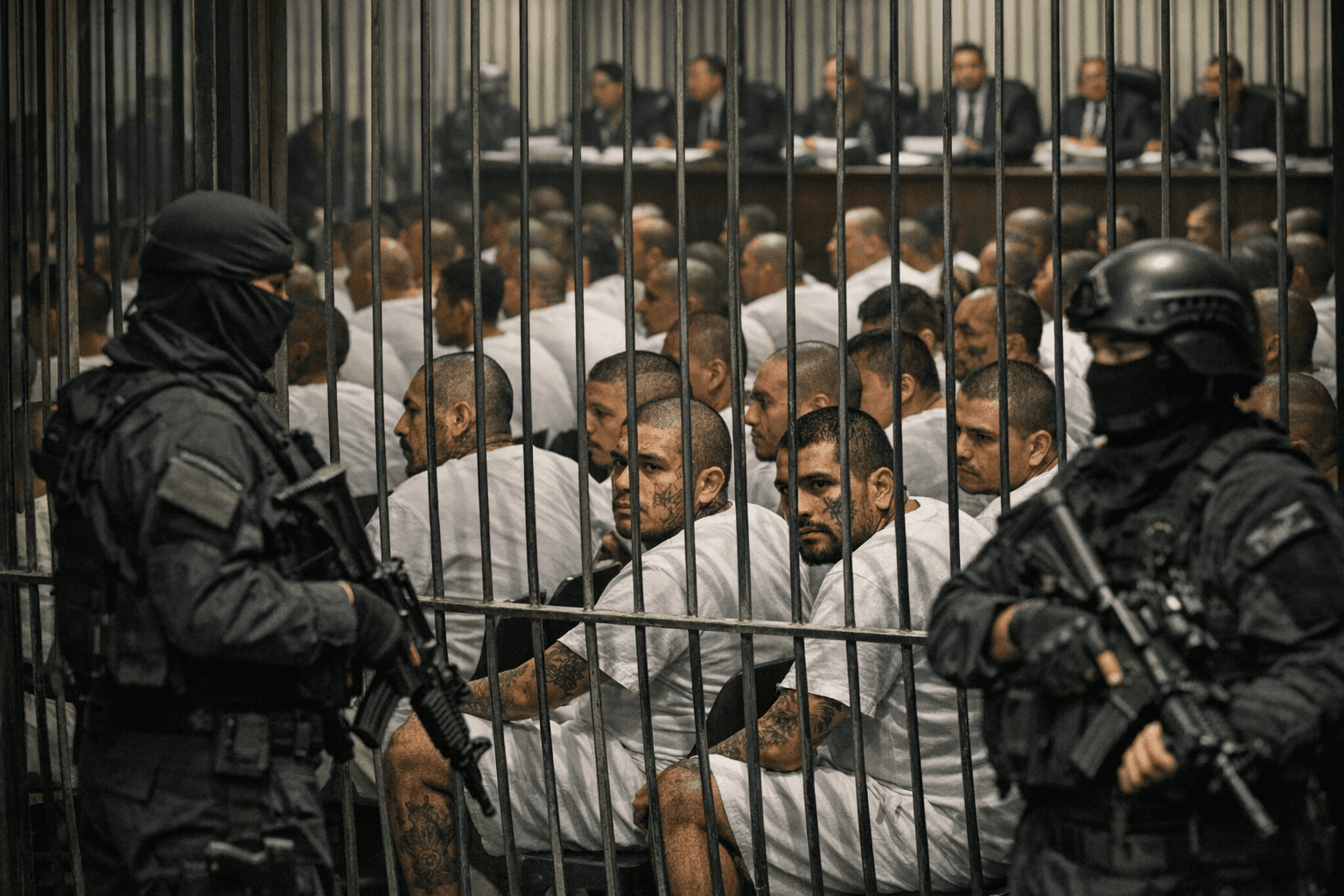
The government and Bukele’s allies have cast the campaign as essential to restoring public safety in a country that was once among the world’s most dangerous. But the scale of the San Salvador trial, with hundreds of defendants grouped into a single proceeding, has intensified criticism that the system now favors speed and volume over individualized justice.
Human rights groups and United Nations human rights experts have said collective prosecutions undermine due process, the right to defense and the presumption of innocence. They have warned that mass hearings, withheld judges’ identities and long pretrial detentions can leave defendants without effective legal counsel. Amnesty International has said the lack of due process was alarming and that mass trials, reserved-identity judges and restrictions on defense had become part of the legal framework.
Human Rights Watch has said Salvadoran authorities have committed widespread human rights violations, including mass arbitrary detention and due process violations, while the government has continued to remove checks on executive power and stepped up pressure on human rights defenders and critics. That tension now sits at the center of the trial in San Salvador: a security model built on extraordinary powers, and a justice system being asked to process an unprecedented number of defendants without eroding its own credibility.
This article was produced by Prism’s automated news system from verified source data, official records, and press releases, then run through automated quality and moderation checks before publishing. The system is built and supervised by the people who set the standards it runs under. Read our full AI policy.
Did this article answer your question?