Iran attacks cargo ships in Strait of Hormuz amid stalled U.S. talks
Two cargo ships were hit in the Strait of Hormuz as stalled U.S.-Iran talks raised the risk of wider disruption across a waterway carrying about 20% of global oil and gas.
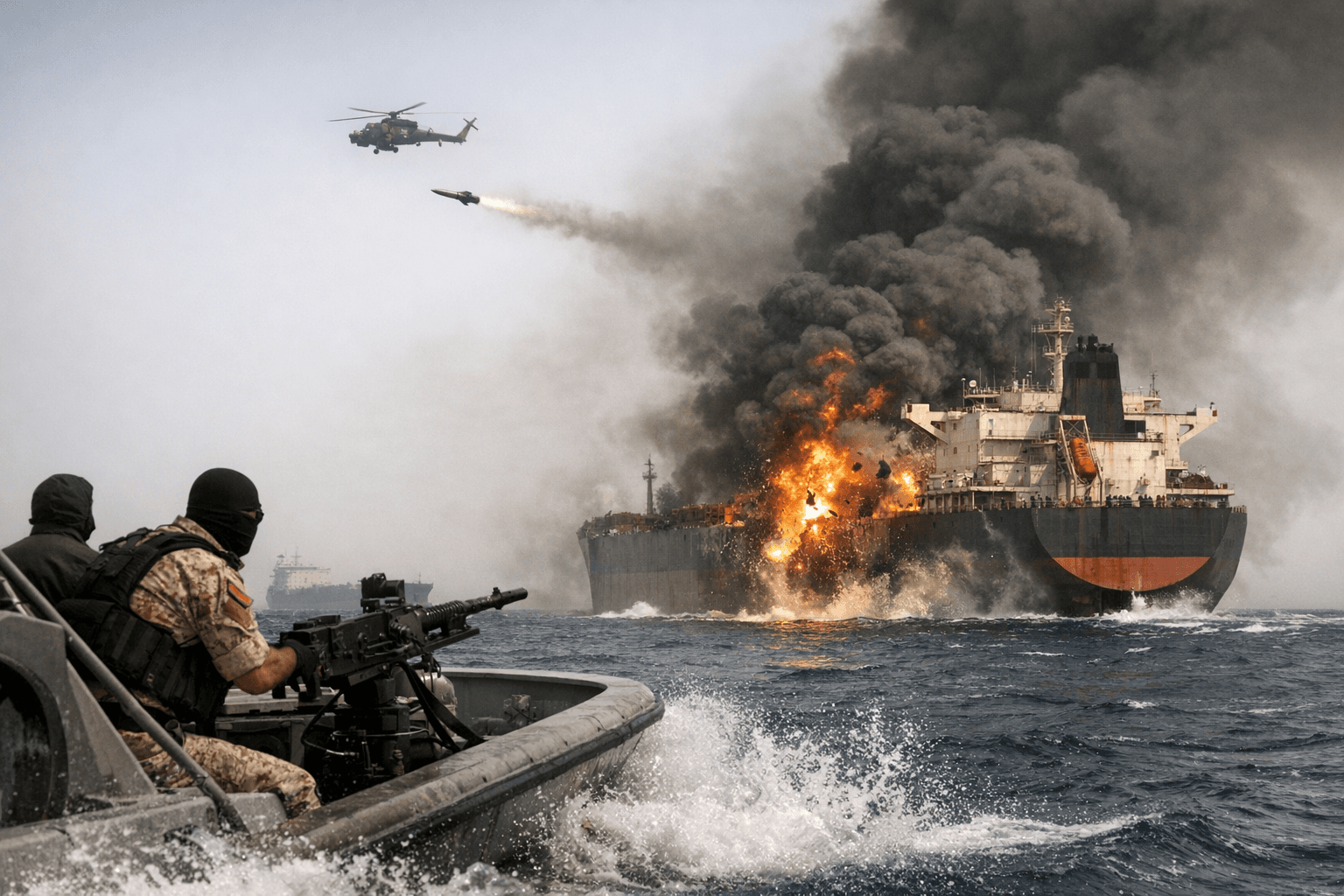
The Strait of Hormuz moved from a diplomatic pressure point to an active shipping threat as two cargo ships came under attack in the narrow passage linking the Persian Gulf and the Gulf of Oman. The waterway carries roughly 20% of the world’s oil and gas, making even limited violence there an immediate risk for shippers, insurers and governments far beyond the region.
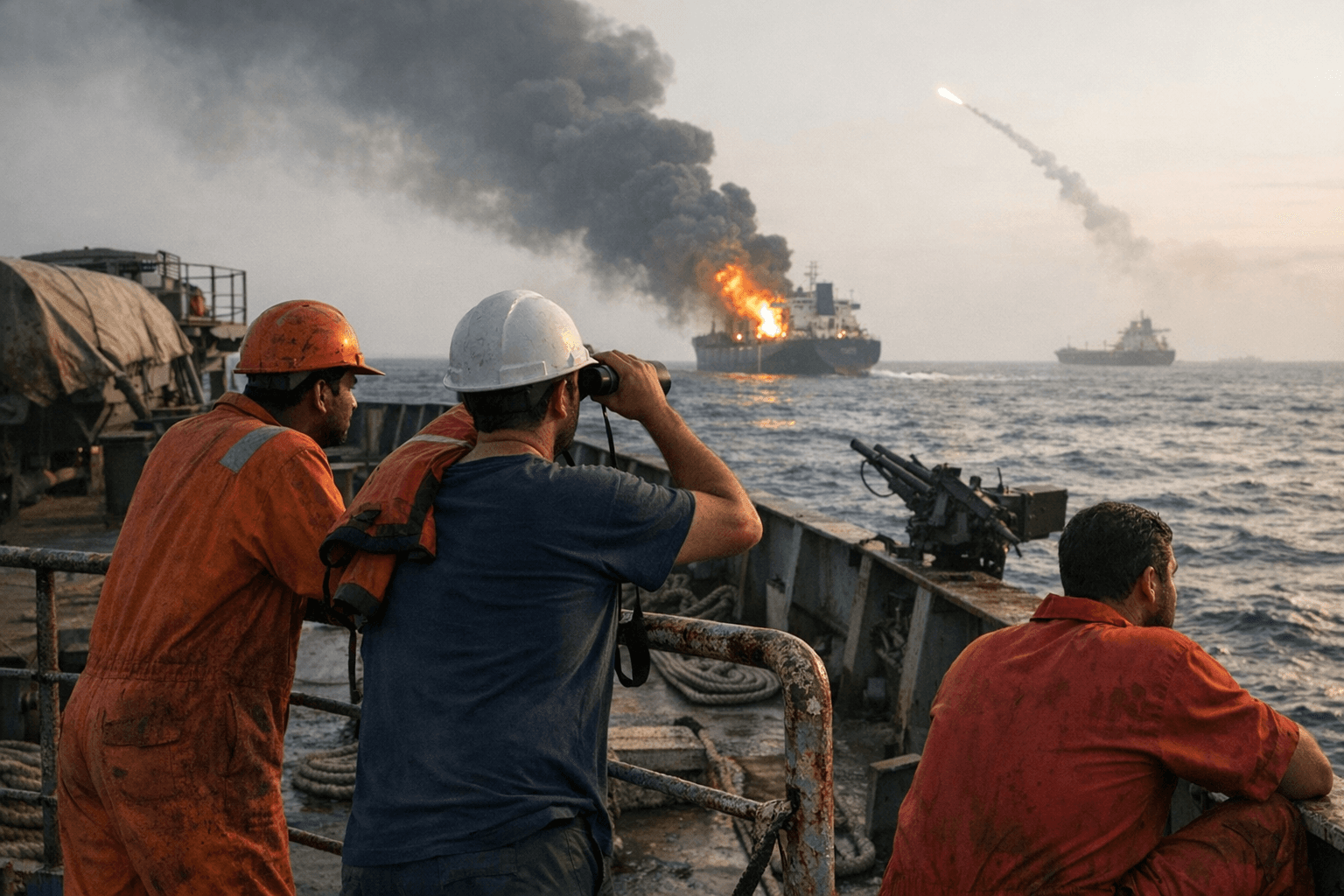
The United Kingdom Maritime Trade Operations center said one vessel was fired upon about eight nautical miles off the coast of Iran. A second container ship was approached by an Islamic Revolutionary Guard Corps gunboat and later reported heavy damage to its bridge. Crew members on both ships were safe. Iran’s state media said the military had carried out “enforcement actions” near the strait, sharpening fears that the confrontation could spill deeper into commercial traffic.
The attacks came as the United States and Iran remained locked in a stalemate. Donald Trump extended the cease-fire on April 21, saying Iran needed more time to produce a “unified proposal,” after previously saying the truce would end on Wednesday. Reports also said JD Vance’s planned trip to Pakistan for a second round of peace talks had been put on hold after Iran signaled that its negotiators would not attend further discussions. Top Iranian officials did not issue a public response to Trump’s decision.
The rhetoric on the Iranian side hardened as well. An adviser to parliament speaker Mohammad Baqer Qalibaf called the extension “a ploy to buy time” and said the blockade of Iranian ports “must be met with a military response.” The exchange left little room for a quick diplomatic reset and signaled that every additional attack at sea could further narrow the chances of a negotiated pause.
The danger is not limited to the ships already hit. Earlier confrontations in the strait included accusations that Iran attacked two Indian-flagged vessels, while U.S. forces seized an Iranian-flagged ship and the U.S. Navy kept pressure on the waterway. ABC News cited the International Transport Workers’ Federation saying about 20,000 seafarers were stranded around the Persian Gulf because of security fears. For insurers, that means higher war-risk pricing and tougher underwriting. For shippers, it means rerouting, delays and rising freight costs. For governments, it means that a failed round of talks is no longer just a diplomatic setback, but a potential trigger for a prolonged economic shock.
Know something we missed? Have a correction or additional information?
Submit a Tip