Tourists scramble as Guatemala’s Fuego volcano erupts, officials warn of danger
Tourists fled near Acatenango as Fuego surged, and officials warned that restricted slopes can turn deadly in minutes.
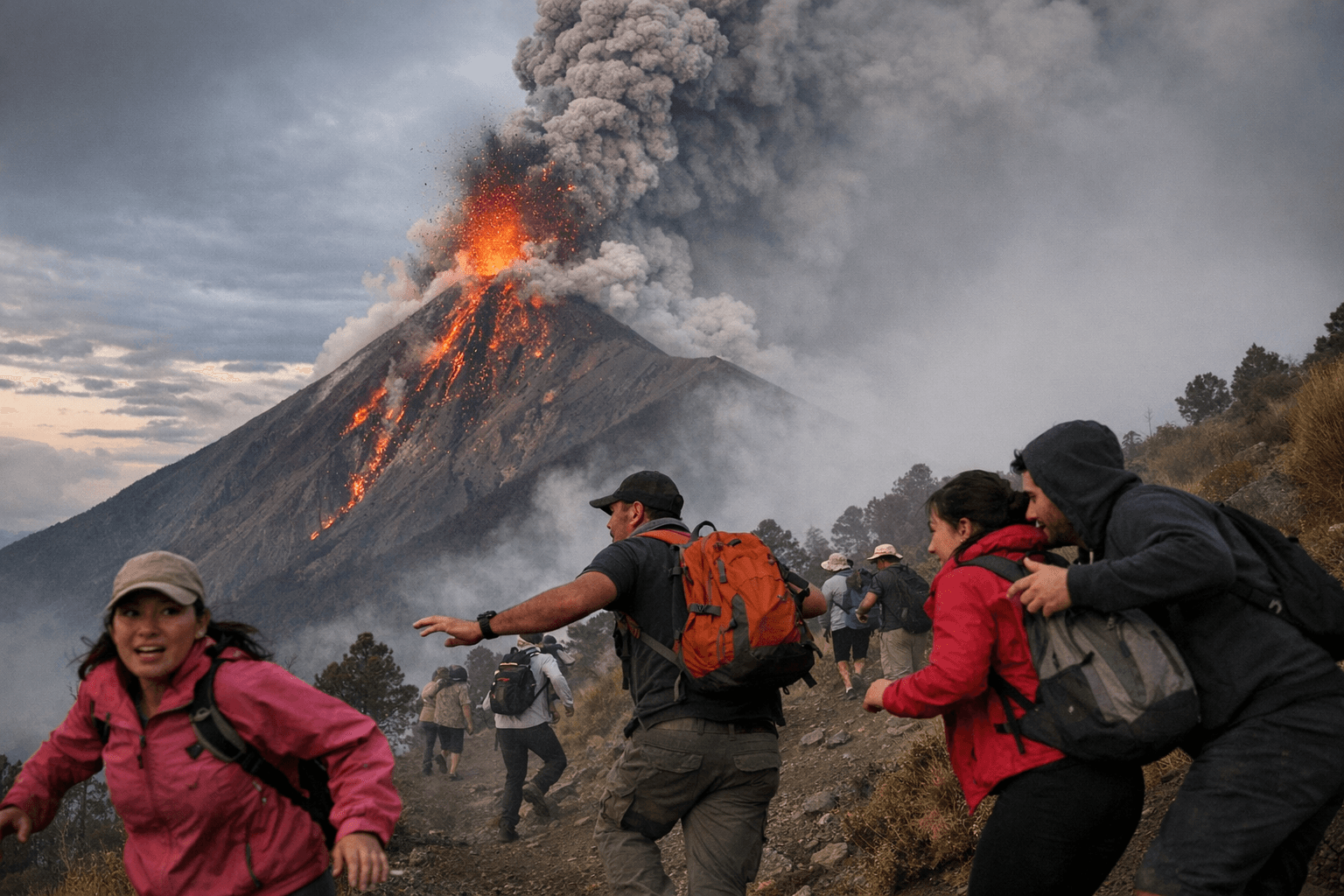
Tourists scrambled away as Volcán de Fuego erupted, a sharp reminder that one of Central America’s most active volcanoes can shift from scenic backdrop to emergency zone with little warning. The mountain rises 3,763 meters, or 12,346 feet, above sea level, and Guatemala’s volcanology institute says it is about 8,500 years old.
The eruption carried immediate risk for visitors drawn to the Acatenango area, where hikers, guides, and tourism operators regularly move close to the volcano. Guatemala’s disaster agency warned tourists, guides, and tourism agencies not to approach the crater, La Meseta, or El Camellón, and said camping there was prohibited because of the threat of unexpected explosions and ashfall. Officials have repeatedly stressed that conditions around Fuego can change fast, especially when ash, gas, and rock begin moving down the slopes.
That danger is not theoretical. INSIVUMEH classifies Fuego’s eruption style as Strombolian-Vulcanian and identifies pyroclastic flows as fast-moving avalanches of volcanic material, hot gases, and ash that can race down the mountain. The volcano sits in Guatemala’s volcanic chain running parallel to the Pacific coast, a geologic corridor that keeps communities, roads, and tourism routes exposed to repeated volcanic hazards. INSIVUMEH continued to monitor the volcano continuously, and the agency issued a daily volcanological bulletin for Fuego on February 2, 2026.
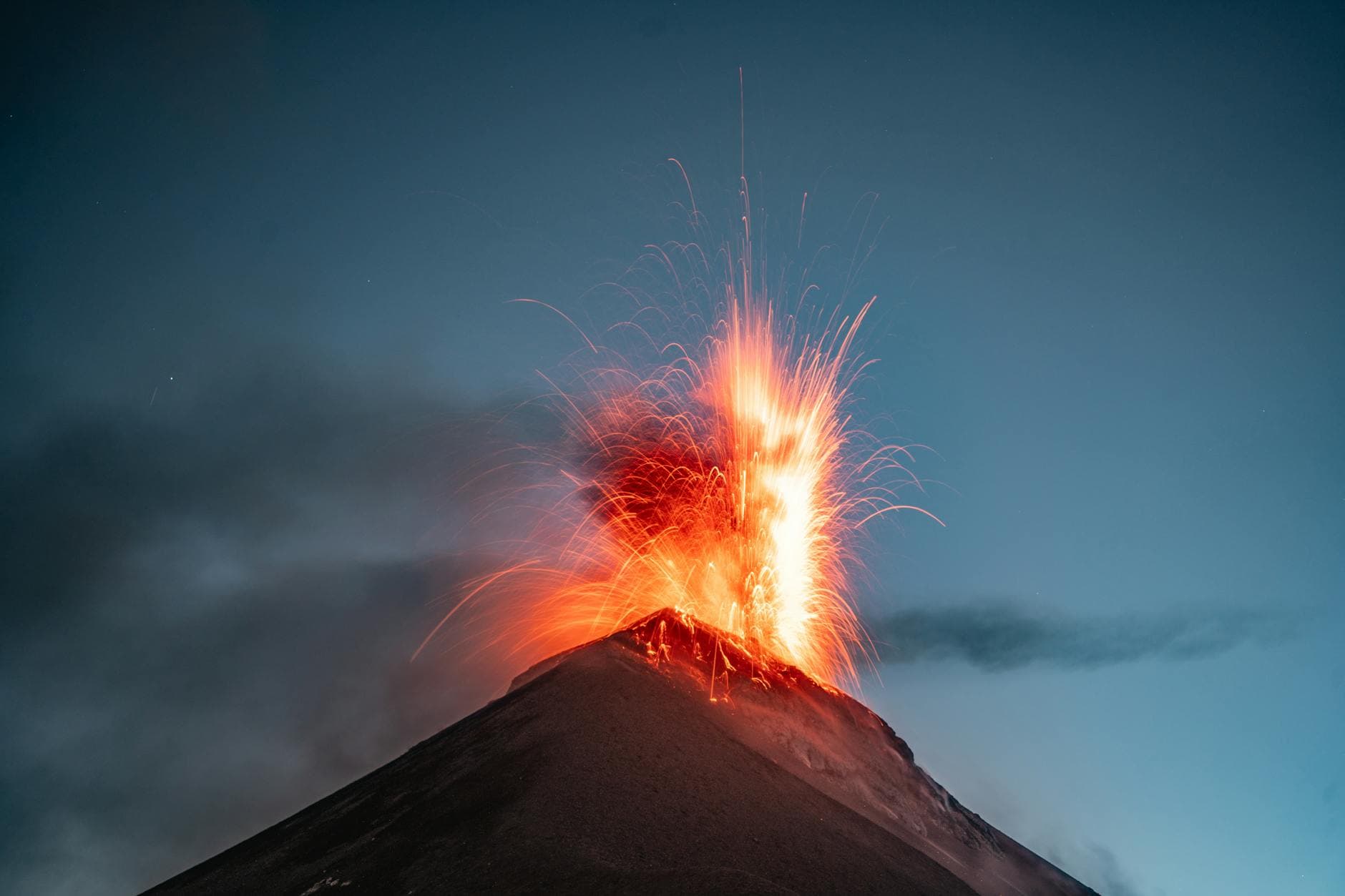
The country’s emergency planners are also carrying the weight of a deadly precedent. In 2018, a major eruption killed at least 75 people and forced more than 12,000 residents from their homes. As the volcano rumbled and sent ash high into the sky, emergency responders at one point suspended rescue efforts in the eruption zone because conditions were too dangerous for workers. That history now hangs over every new advisory, especially in a tourism economy that depends on access to mountain routes even as those same routes remain vulnerable.
CONRED continues to publish volcanic activity alerts and preparedness materials for eruptions, earthquakes, and other hazards, underscoring how often Guatemala must prepare for fast-moving disasters. Around Fuego, the lesson is blunt: a popular adventure destination can become a danger zone in minutes, and evacuation planning has to be ready before the first ash cloud rises.
This article was produced by Prism’s automated news system from verified source data, official records, and press releases, then run through automated quality and moderation checks before publishing. The system is built and supervised by the people who set the standards it runs under. Read our full AI policy.
Know something we missed? Have a correction or additional information?
Submit a Tip