South Korea fines pilot after F-15K crash caused by photo-taking during mission
A routine mission turned into a collision when F-15K pilots paused to take photos and videos, and one aviator was later fined thousands to help pay repair bills.
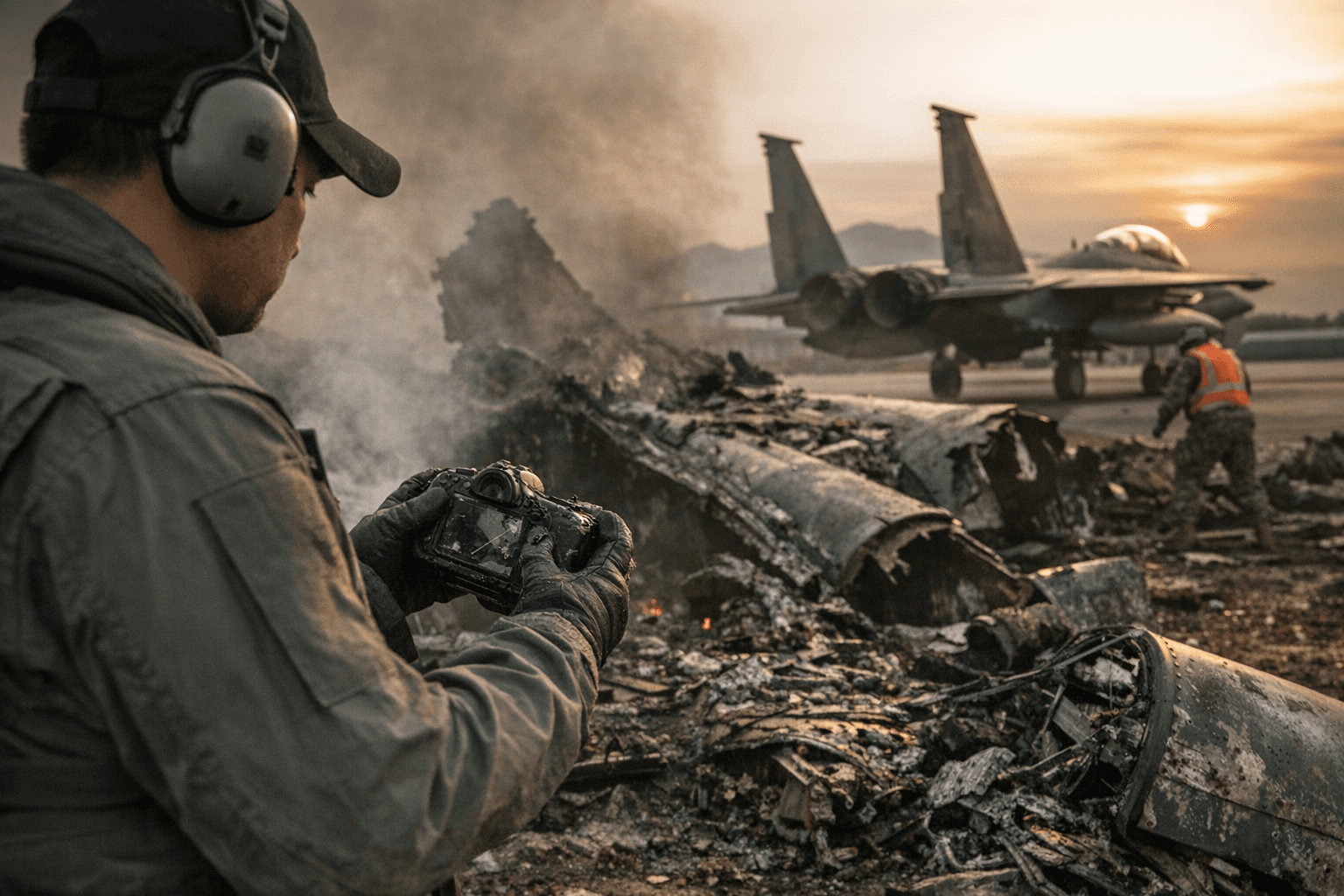
South Korea’s Air Force has been embarrassed by a crash that officials say began with something as mundane as taking pictures in the cockpit. Two F-15K fighter jets collided during a 2021 mission after the pilots tried to record photos and video, including a commemorative shot involving the Air Force’s main combat aircraft.
One of the pilots was later fined thousands of dollars by the military to help cover repair costs. The case was handled internally at the time and only surfaced later, adding to questions about how a high-risk formation mission could slip into casual behavior with multibillion-won aircraft in the air.
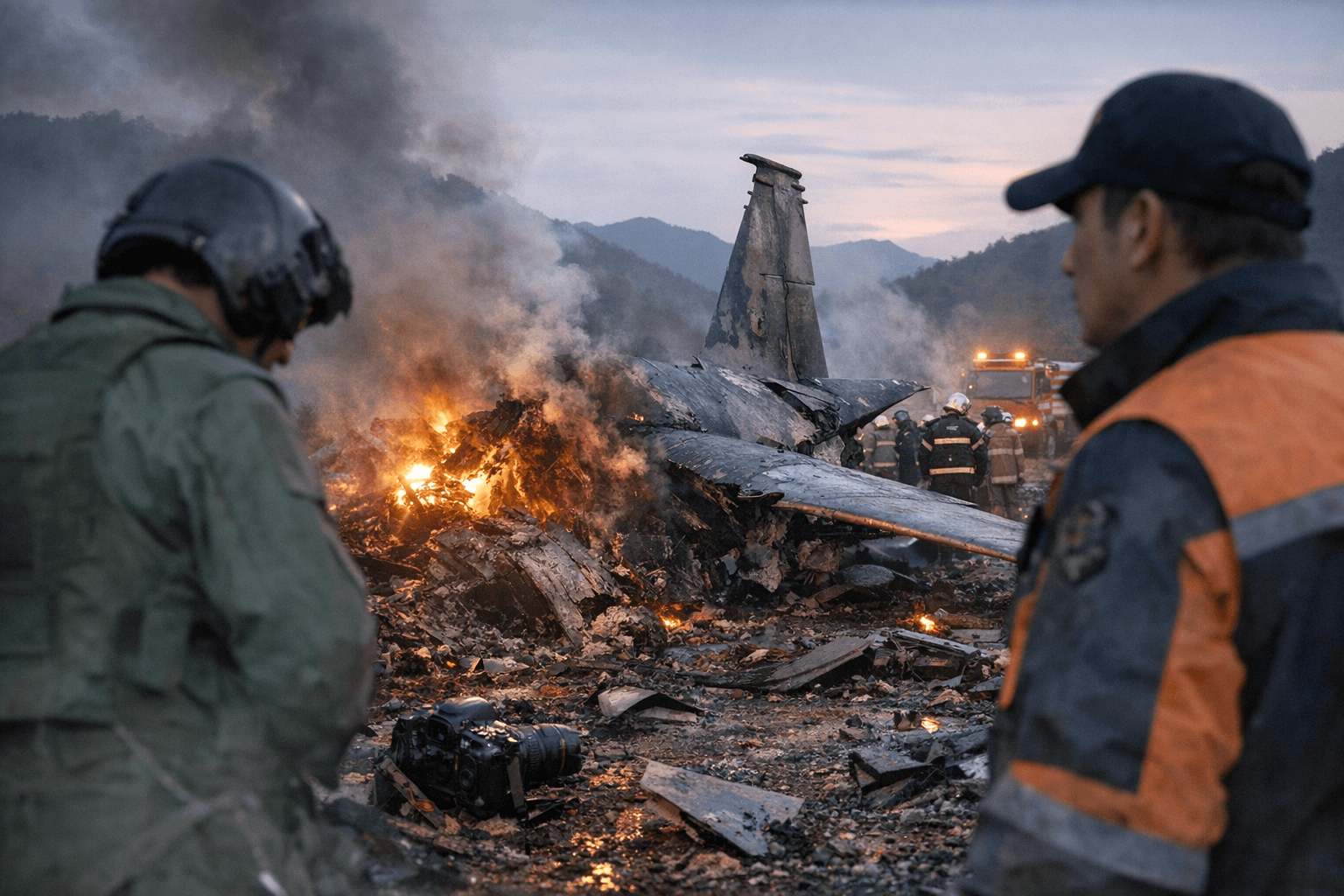
The details cut to the center of military discipline and cockpit culture. In a fighter jet, the space for distraction is supposed to be near zero. A photo-taking lapse in an F-15K, the backbone of South Korea’s air combat fleet, raises a larger question than the collision itself: whether training, supervision and chain-of-command oversight were strong enough to stop behavior that put two aircraft at risk.
The episode comes as South Korea’s Air Force faces intense scrutiny over repeated safety failures. On March 6, 2025, an accidental bombing in Pocheon injured 29 people during live-fire drills involving South Korean and U.S. troops and more than 160 pieces of military hardware, including tanks and fighter jets. The Air Force said it was the first accidental bombing by South Korean fighter jets to cause casualties, and Jeon Ha-kyu said, “We will actively take all necessary measures, including compensation for the damage.”
The service has also been dealing with another serious mishap: an F-16C fighter jet crashed near Yeongju in North Gyeongsang Province after a midair collision during nighttime training in February 2026. Together, the incidents have put pressure on military leaders to show that safety failures are being punished, not managed quietly behind closed doors.
That is why the fine matters as much as the crash. A penalty meant to recover repair costs may look like accountability, but it also risks reading as an administrative settlement if it is not matched by deeper reforms. South Korea’s military now faces a credibility test: whether it can enforce a serious standard in the cockpit, or whether repeated lapses will keep being resolved as isolated mishaps after the fact.
This article was produced by Prism’s automated news system from verified source data, official records, and press releases, then run through automated quality and moderation checks before publishing. The system is built and supervised by the people who set the standards it runs under. Read our full AI policy.
Did this article answer your question?


