Russia flights near Chornobyl raise fears of nuclear accident
Russian drones and missiles have been flying near Chornobyl, raising the risk that a miscalculation could trigger a radiological crisis with consequences beyond Ukraine.
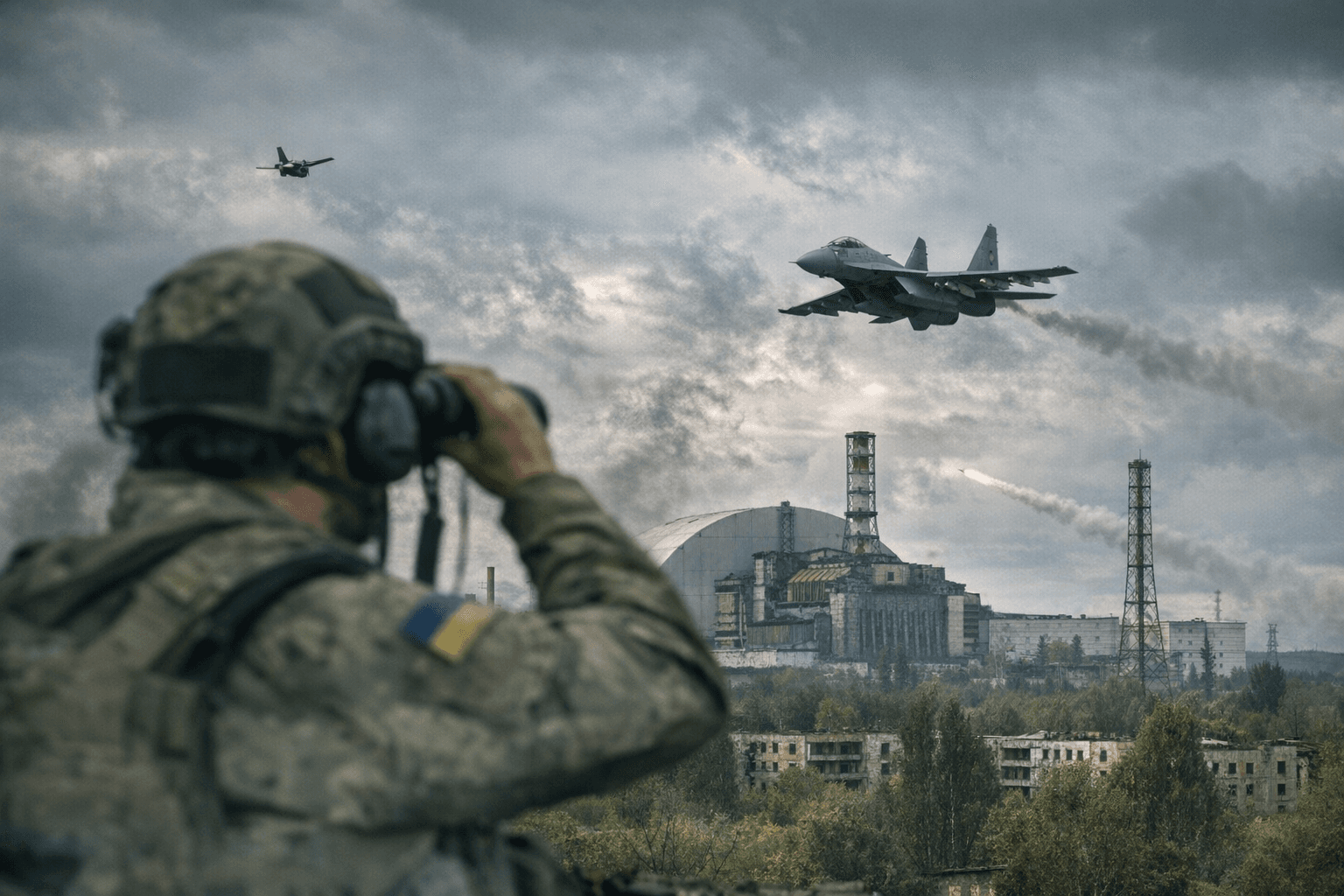
Russia has repeatedly sent drones and missiles along a flight path near the disused Chornobyl nuclear plant during attacks on Ukraine, Kyiv’s top state prosecutor said, turning a familiar war risk into a potential nuclear-safety emergency. Prosecutor General Ruslan Kravchenko described previously unreported Russian military activity near the site of the 1986 reactor disaster, warning that even without a direct hit, the route itself has become dangerous.
The concern is not limited to a strike on the plant. Repeated overflights near a damaged or inactive nuclear facility raise the odds that debris, air-defense fire or a navigation failure could trigger a radiological incident or interfere with containment work. Chornobyl remains one of Europe’s most sensitive locations because of the legacy of the world’s worst nuclear accident, and any new incident there would carry an immediate international dimension.
The timing makes the threat sharper. The world is approaching the 40th anniversary of the Chornobyl catastrophe, a moment that would normally invite reflection on nuclear safety and long-term contamination. Instead, Ukraine is now documenting military behavior around the site as part of the broader war, where Russian strikes have repeatedly tested civilian infrastructure, energy systems and other critical facilities far from the front lines.
Kravchenko’s account also points to a legal and diplomatic strategy. By recording not only attacks that hit targets but also the flight paths used near Chornobyl, Kyiv is building a record that could matter in future war-crimes, accountability and nuclear-safety arguments at the international level. The distinction is important: the danger comes not just from a bomb landing on the plant, but from the operational pattern of repeated passes near one of the most fragile sites in Europe.

Chornobyl is no longer an operating reactor complex, but its vulnerability has not disappeared. The plant’s inactive status does not eliminate the risk posed by weapons systems moving nearby during active combat. If a missile, drone or interceptor were to go astray, the result could be a crisis that would spread far beyond Ukraine’s borders, drawing in governments, regulators and emergency planners across the continent.
This article was produced by Prism’s automated news system from verified source data, official records, and press releases, then run through automated quality and moderation checks before publishing. The system is built and supervised by the people who set the standards it runs under. Read our full AI policy.
Did this article answer your question?