CK Hutchison weighing split sale of global ports to ease political pushback
CK Hutchison is exploring breaking its ports sale into smaller parcels to navigate regulatory and geopolitical scrutiny, a move that could reshape bidder dynamics and valuations.
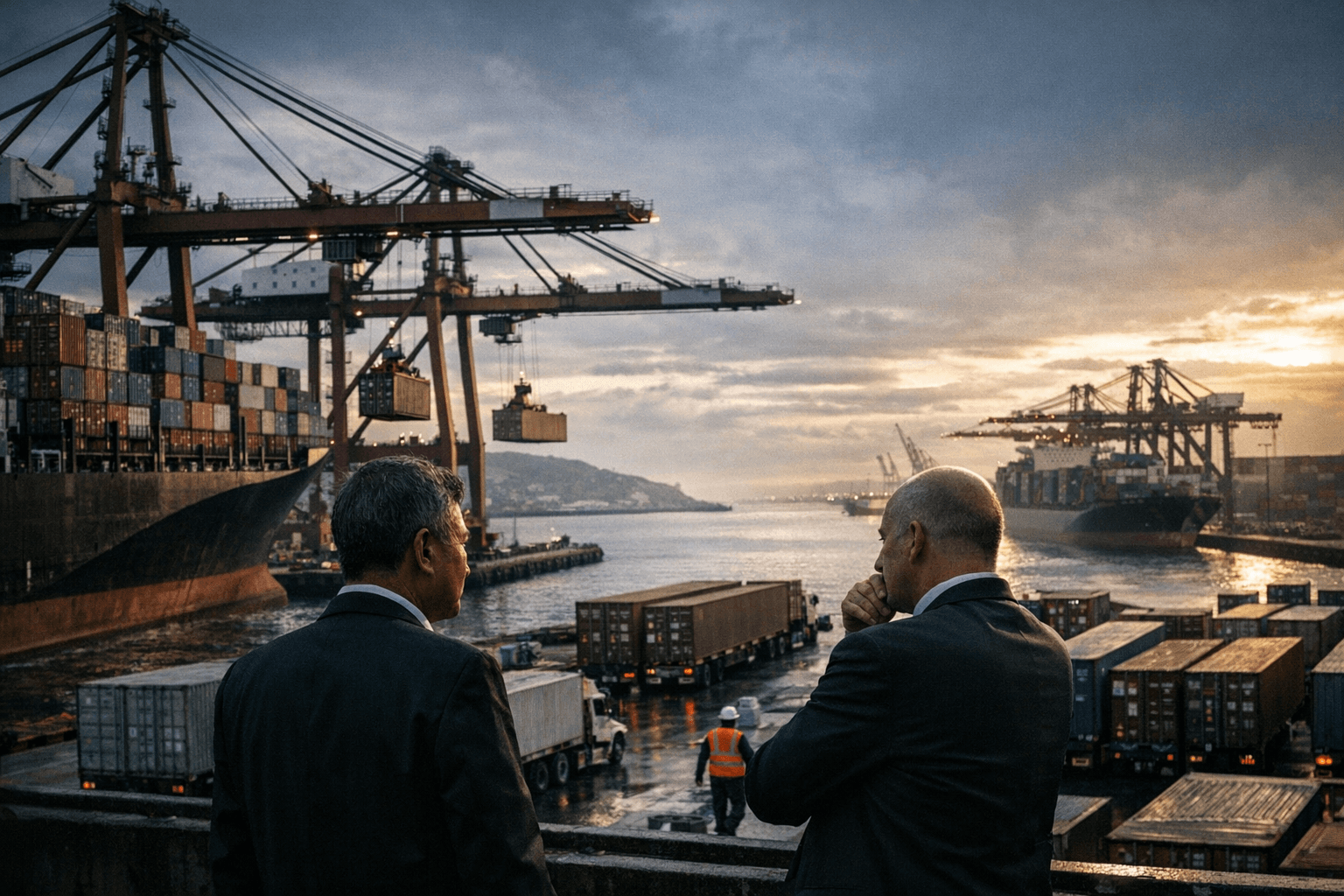
CK Hutchison is exploring a restructured approach to the previously announced sale of its global ports operations, considering splitting the assets into smaller parcels and varied ownership structures to address intensifying geopolitical and regulatory scrutiny. The Hong Kong-based conglomerate is weighing options that could include local partners, minority disposals and region-by-region transactions to accelerate approvals and broaden the pool of buyers.
The ports unit is a strategically sensitive asset class: roughly 80 percent of global merchandise trade by volume moves by sea, and major terminals are often treated as critical infrastructure under national security frameworks. Governments across multiple jurisdictions have tightened foreign investment screening in recent years, applying closer scrutiny to port ownership, long-term concessions and access rights. Those dynamics have complicated large cross-border infrastructure deals and increased the likelihood of conditional approvals or blocked transactions.
Breaking the sale into smaller parcels would aim to reduce political friction by aligning ownership with local regulatory expectations. Selling minority stakes to domestic investors or state-backed entities, or carving assets by geography, can make transactions more palatable to regulators who are wary of concentrated foreign control over chokepoints and gateway hubs. The strategy could also mobilize a wider range of bidders, from regional infrastructure funds and pension investors to sovereign wealth funds that may prefer targeted, jurisdiction-specific exposure.
However, the shift carries trade-offs for valuation and operating efficiency. Ports generate scale economies through networked operations, coordinated scheduling, and shared technology and procurement. Fragmenting ownership risks diluting those synergies and could compress multiples that buyers are willing to pay. Buyers paying a premium for integrated global reach may withdraw if offered only asset-light or regionally confined stakes, while fragmented sales may prolong the divestment timeline and increase transaction costs.
For CK Hutchison, the calculus involves balancing near-term execution risk against long-term value realization. A single, large sale could maximize headline proceeds but face prolonged regulatory reviews or outright rejection in sensitive markets. Conversely, a staged or parcelled approach may yield quicker, more certain closings but at lower aggregate proceeds. The company also must consider concession structures: many terminal agreements run for decades, which affects investor appetite and the nature of acceptable ownership terms.
Market participants will watch how CK Hutchison structures any new approach, because the outcome could set precedents across the ports and broader infrastructure sector. Over the past decade, buyers and policymakers have increasingly prioritized resilience and control over purely global scale. That shift has encouraged consortium bids with mixed public-private ownership and an emphasis on local governance, operational continuity and supply chain security.
Ultimately, the move underscores a longer-term trend toward geoeconomic fragmentation in critical infrastructure deals. As states sharpen oversight of assets tied to trade and logistics, sellers of large, internationally spread platforms may find themselves forced to tailor transactions to political realities rather than purely financial optimization. CK Hutchison’s decision will test how global capital adapts to those constraints and could influence how future maritime infrastructure transactions are structured, priced and regulated.
This article was produced by Prism’s automated news system from verified source data, official records, and press releases, then run through automated quality and moderation checks before publishing. The system is built and supervised by the people who set the standards it runs under. Read our full AI policy.
Did this article answer your question?

