Clarence Thomas nears historic Supreme Court longevity, spotlighting conservative influence
Clarence Thomas is set to become the court’s second-longest-serving justice, a marker of how deeply his hard-right legal philosophy has taken hold.
Clarence Thomas is set to become the Supreme Court’s second-longest-serving justice this week, a milestone that underscores not just endurance but the reach of a conservative project he has pressed for more than 34 years.
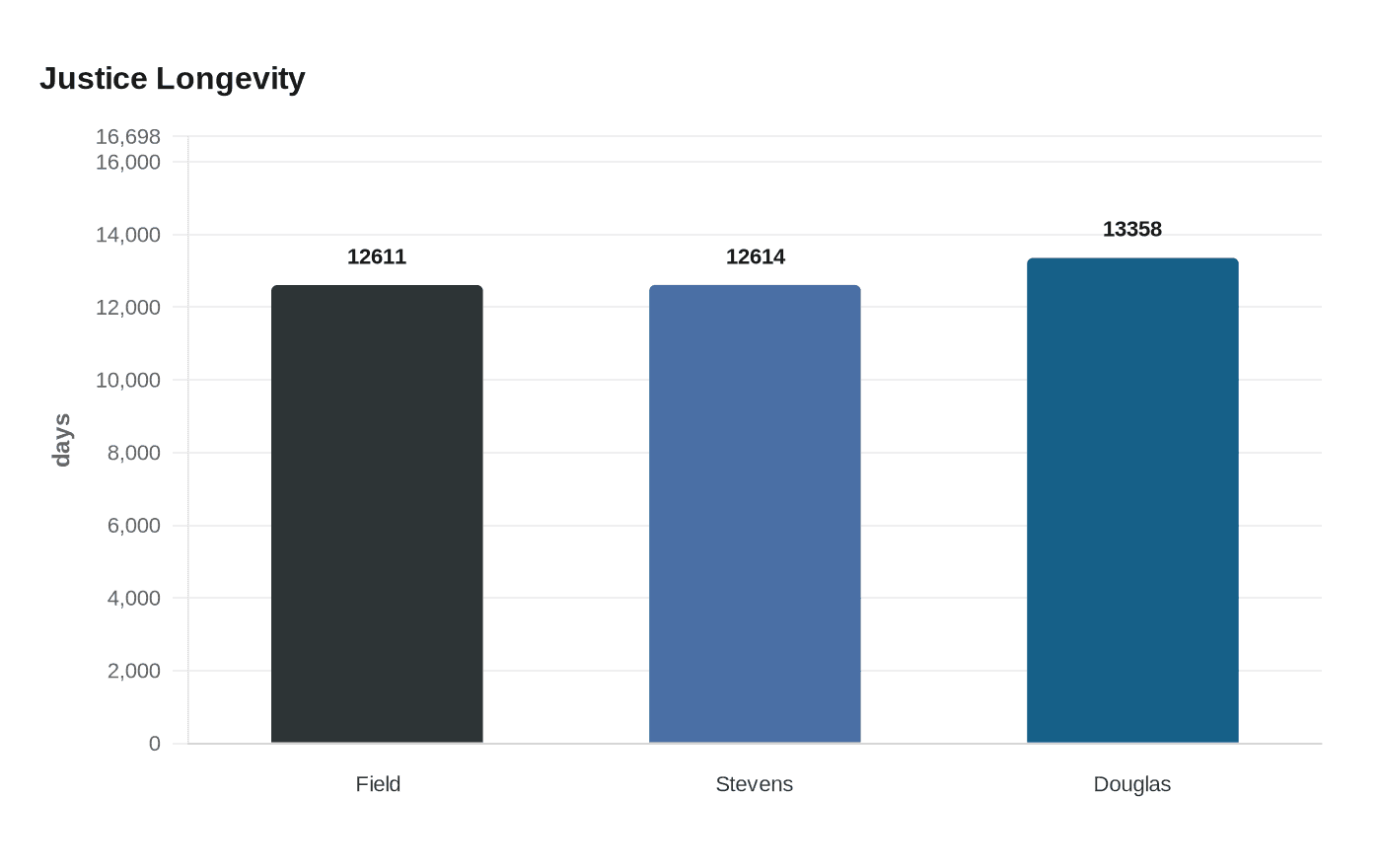
Thomas, now 77, joined the court after President George H.W. Bush nominated him on July 8, 1991. The Senate confirmed him 52-48 on October 15, 1991, and he was sworn in on October 23, 1991, replacing Thurgood Marshall and becoming the second Black justice in Supreme Court history. The Supreme Court Historical Society says Thomas will move past Stephen J. Field on May 4, 2026, then overtake John Paul Stevens on May 7, 2026. Field served 12,611 days, Stevens 12,614, and William O. Douglas still holds the longevity record at 13,358 days. If Thomas remains on the bench until May 20, 2028, he would claim that mark too.

The numbers matter because Thomas’s tenure has tracked the court’s ideological shift. Once often in dissent, he has become one of the most durable architects of the modern conservative majority, especially since the court settled into a 6-3 conservative balance in 2020. His most consequential imprint came in New York State Rifle & Pistol Ass’n v. Bruen, the June 23, 2022 decision he authored that expanded Second Amendment protections. He also joined the majority that overturned Roe v. Wade, ending the nationwide constitutional right to abortion.

His influence extends beyond those headline rulings. Thomas has long championed a sweeping view of religious liberty, opposed gay marriage, fought affirmative-action preferences, supported the death penalty, backed broad presidential power and sought to curb campaign-finance restrictions. Those positions, once outside the court’s mainstream, now sit closer to the center of conservative legal doctrine than at any point in his tenure.
Thomas has continued to press that agenda in public appearances in 2026. At Notre Dame Law School on February 13, he took part in a symposium on the Declaration of Independence and the Constitution. In April, at the University of Texas Austin Law School in Austin, Texas, he described progressivism as an existential threat to the Constitution. The speeches showed that even as his place in the record books draws near, Thomas remains an active force in the legal movement he helped shape.
This article was produced by Prism’s automated news system from verified source data, official records, and press releases, then run through automated quality and moderation checks before publishing. The system is built and supervised by the people who set the standards it runs under. Read our full AI policy.
Did this article answer your question?

