Schiff says Trump violated War Powers Act in Iran military actions
Schiff says Trump’s Iran strikes ran past the War Powers deadline, turning a ceasefire into a test of whether Congress still controls war.
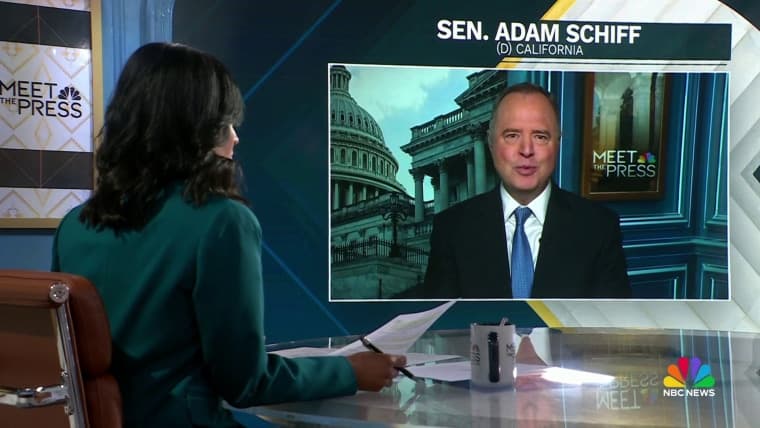
Adam Schiff is pressing a constitutional line that has long been blurred in Washington: he says Donald Trump’s Iran military actions amounted to a clear violation of the War Powers Resolution of 1973, because the White House kept treating the operation as active after the statute’s deadline had passed.
The California Democrat has forced Senate votes on War Powers resolutions tied to the Iran conflict, arguing that Trump notified Congress the war had been “terminated” only after the law’s 60-day clock had run out. Schiff’s challenge goes to the heart of a familiar clash in American government: Congress holds the power to declare war, while the president serves as commander in chief, and the two branches are supposed to make decisions about introducing U.S. forces into hostilities through their “collective judgment.”
The War Powers Resolution was enacted on November 7, 1973, over President Richard Nixon’s veto, after Vietnam-era backlash against unilateral presidential war-making. It requires a president to notify Congress within 48 hours of introducing armed forces into hostilities. Unless Congress declares war or specifically authorizes the mission, the president must terminate the use of force within 60 days, with a possible 30-day withdrawal extension in some circumstances.
Trump’s White House has countered that the Iran hostilities have “terminated” because of a ceasefire, and that the clock no longer applies. Schiff has rejected that reading, saying Trump claimed he did not need lawmakers’ permission to continue the conflict even as the administration pressed ahead without new congressional authorization. Critics say a ceasefire is not the same thing as approval from the U.S. Congress, and that the law’s termination rule was written precisely to stop open-ended military action from drifting beyond the legislature’s reach.
The dispute lands in a political system that has rarely enforced the statute with much force. Presidents of both parties have repeatedly tested or sidestepped the law, and Congress has often lacked the votes to compel withdrawal or demand authorization. A recent Senate vote on Schiff-led Iran war powers measures failed, underscoring how difficult it remains for lawmakers to reassert control even when they invoke the law’s deadlines.
That makes the current fight more than another partisan flare-up. It is a direct test of whether the War Powers Resolution still functions as a binding check on presidential war-making, or whether repeated presidential practice has reduced it to a rule Congress cites but struggles to enforce.
This article was produced by Prism’s automated news system from verified source data, official records, and press releases, then run through automated quality and moderation checks before publishing. The system is built and supervised by the people who set the standards it runs under. Read our full AI policy.
Did this article answer your question?