Spirit Airlines collapses after Trump administration bailout fails, flights end
Spirit’s shutdown stranded budget travelers as a $500 million Trump administration rescue collapsed, ending flights and 17,000 jobs.
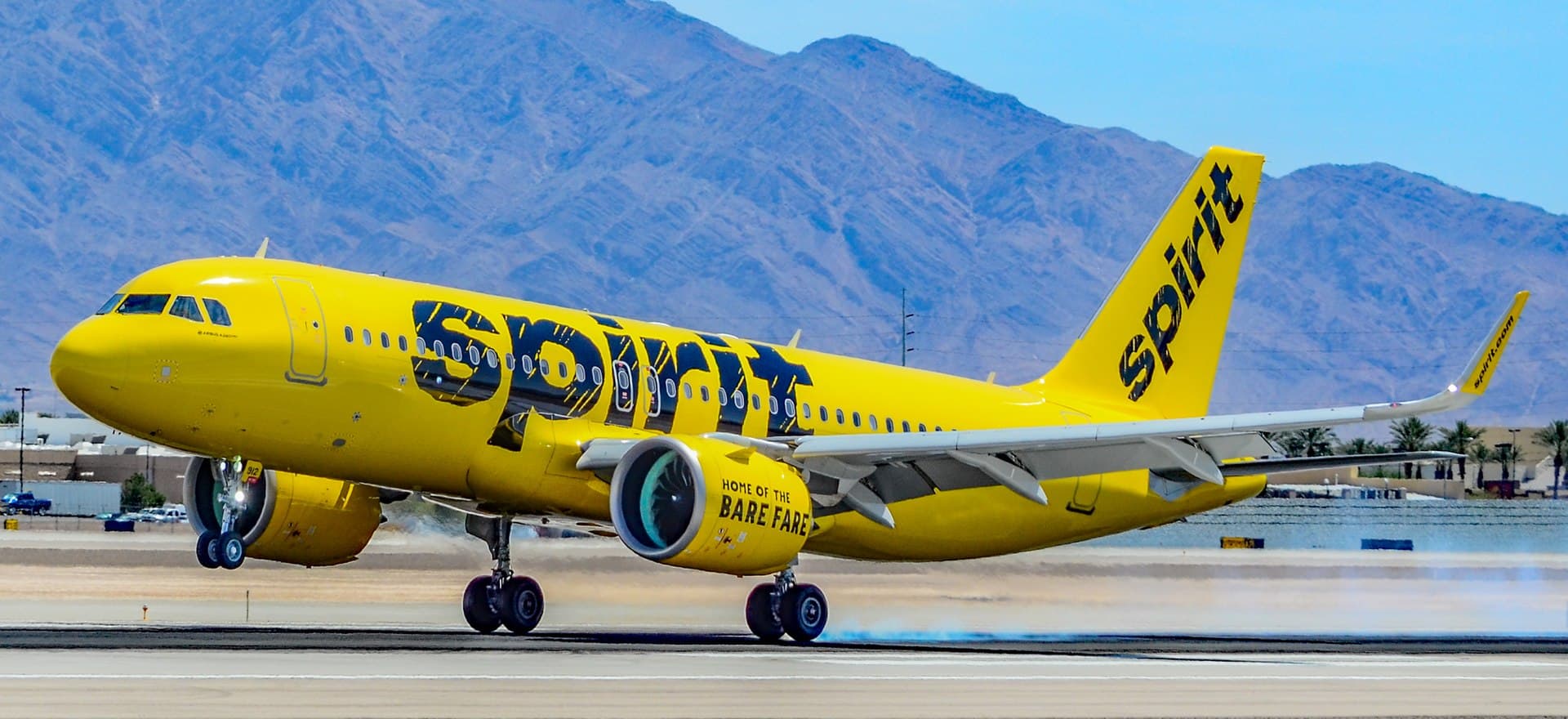
Spirit Airlines’ collapse instantly tightened the market for low-cost flyers, especially on routes where the carrier had forced bigger airlines to cut prices. After last-ditch bailout talks with the Trump administration fell apart, Spirit said its wind-down was effective immediately, leaving passengers to scramble and competitors to move in on the airline’s former markets.
The rescue under discussion was roughly $500 million and would have given the federal government control of most of Spirit’s shares, with reporting indicating Washington could have ended up with as much as a 90% stake. Donald Trump had signaled he was open to a deal “if we can get it at the right price,” while Sean Duffy, Howard Lutnick, Stephen Miller, Kevin Hassett and White House counsel staff were among the officials said to have debated the plan internally. The proposal split policymakers over whether the government should step in to save one airline, especially after the industry has already received sweeping federal support after 9/11 and during the pandemic.
Spirit’s final scheduled flight, NK1833, a Detroit-to-Dallas/Fort Worth trip, landed shortly after midnight on Saturday, May 2, 2026. Spirit said it carried more than 50,000 passengers over its last day of operations, then shut down with more than 17,000 direct and indirect employees losing their jobs. The airline had already warned the bankruptcy court in New York that its cash would not last much longer, and its second Chapter 11 filing, on August 29, 2025, followed an earlier bankruptcy case that began in November 2024 and ended in March 2025.
For travelers, the immediate fallout centered on refunds, rerouting and fare pressure. Spirit said most tickets were sold through its own channels, including Spirit.com, its call center and airport counters, which could complicate recovery for customers who suddenly lost flights. The U.S. Department of Transportation said it coordinated with American, United, Delta Air Lines, JetBlue, Southwest Airlines, Allegiant Air, Frontier Airlines, Avelo Airlines and Breeze Airways to help stranded passengers and former Spirit employees.
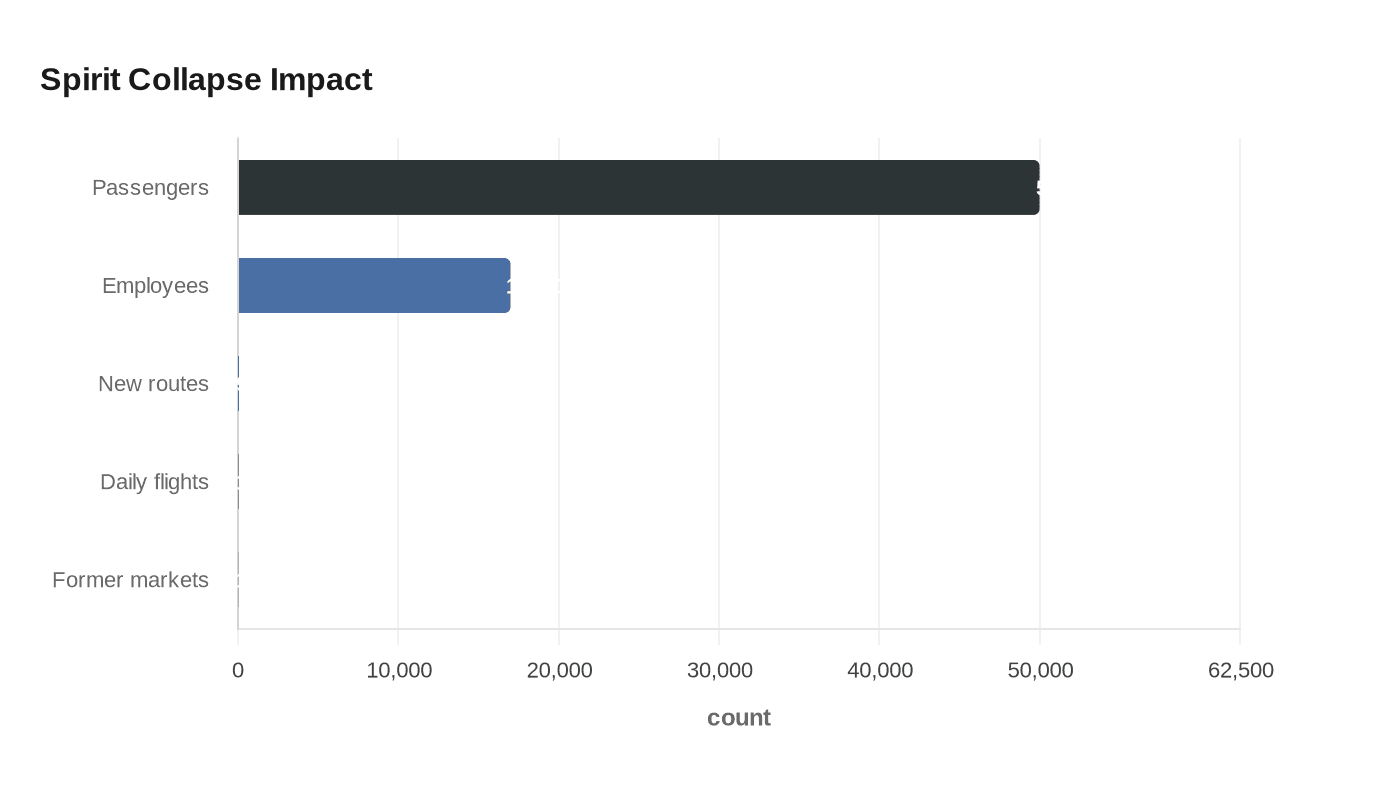
Frontier moved fastest to court Spirit’s customers, announcing systemwide rescue-fare discounts of up to 50% off base fares through November 19, a $199 GoWild All-You-Can-Fly Summer Pass, and nine new routes plus 15 daily flights across 18 former Spirit markets. The collapse also revived the fight over whether blocking JetBlue’s $3.8 billion bid for Spirit in January 2024 helped preserve competition or removed the airline’s best lifeline. Now the question is whether federal policy protected consumers or helped engineer a market that could make low-cost flying scarcer on the very routes Spirit used to discipline fares.
This article was produced by Prism’s automated news system from verified source data, official records, and press releases, then run through automated quality and moderation checks before publishing. The system is built and supervised by the people who set the standards it runs under. Read our full AI policy.
Did this article answer your question?

