CLCA Installs Public AED at Library, Offers AHA CPR and First Aid
An AED was installed at the county library after CLCA and a neighbor split the cost; CLCA will offer American Heart Association CPR and First Aid training to improve survival and preparedness.
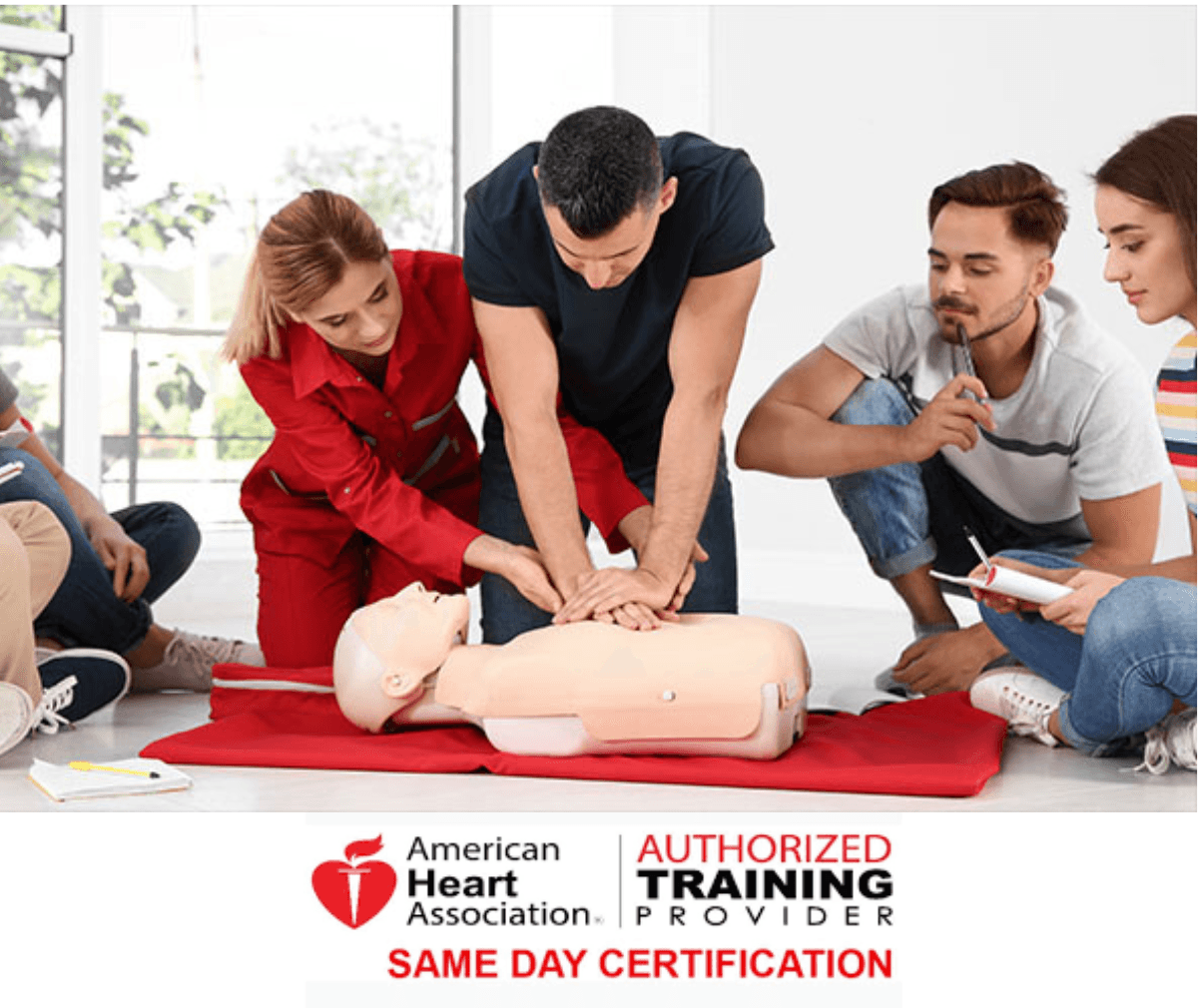
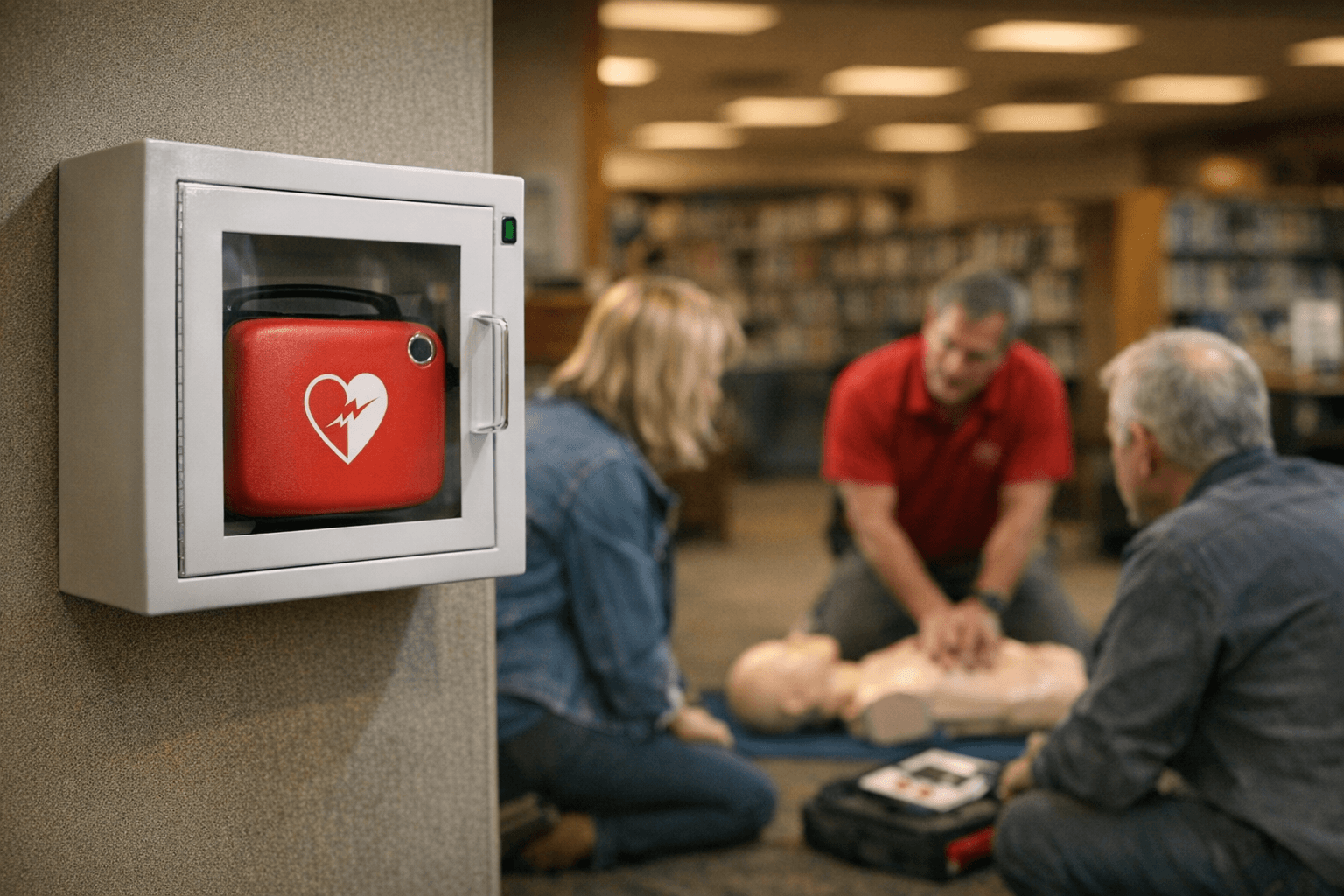
An Automated External Defibrillator (AED) was installed at the Albany County library on Feb. 5 after the Community Life Care Association (CLCA) purchased the device through a cost-share agreement with a concerned local neighbor. The unit is available for public use in the event of a cardiac arrest, and CLCA will offer American Heart Association-sanctioned CPR and First Aid courses to accompany the installation.
Making a defibrillator accessible in a central public building addresses a crucial link in the chain of survival for out-of-hospital cardiac arrest. Early defibrillation and bystander CPR are the most effective interventions before emergency medical services arrive. Placing an AED in the library gives patrons - including older adults, students, and visitors who use the building for services and programs - a better chance of a positive outcome if someone collapses on site.
The installation grew out of a neighborhood-level initiative. CLCA covered part of the cost and a nearby resident contributed funds to complete the purchase. That local partnership highlights how community members and nonprofit organizations can fill gaps where municipal budgets are limited, while also raising questions about equitable access to life-saving devices across the county. If AEDs are concentrated in well-resourced neighborhoods, residents in more remote or lower-income parts of Albany County may remain at risk due to longer emergency response times.
The accompanying American Heart Association-sanctioned CPR and First Aid classes are intended to turn the library into not only a safer space but also a training hub. Trained bystanders who recognize cardiac arrest and begin CPR or deploy an AED provide critical minutes of life-sustaining care. CLCA's decision to use AHA-sanctioned curricula ensures standardized training that meets national guidelines, which is important for both skill retention and public confidence.
Public libraries have long served as emergency hubs for communities, offering internet access, meeting space, and connections to services. Adding an AED and certified training expands that role, centering health and safety in a place many residents already trust and visit regularly. For populations who face transportation barriers, lack of insurance, or other obstacles to healthcare, free or low-cost training at a nearby library can reduce disparities in response and preparedness.
The CLCA installation offers a practical model for local policymakers and public health planners to consider: strategic placement of AEDs in community anchors plus accessible, sanctioned training can save lives and strengthen community resilience. For Albany County residents, the immediate takeaway is that a potentially life-saving device is now available at the library and that opportunities for certified CPR and First Aid training will be offered soon; watch for scheduling and registration information from CLCA and the library.
Sources:
Know something we missed? Have a correction or additional information?
Submit a Tip