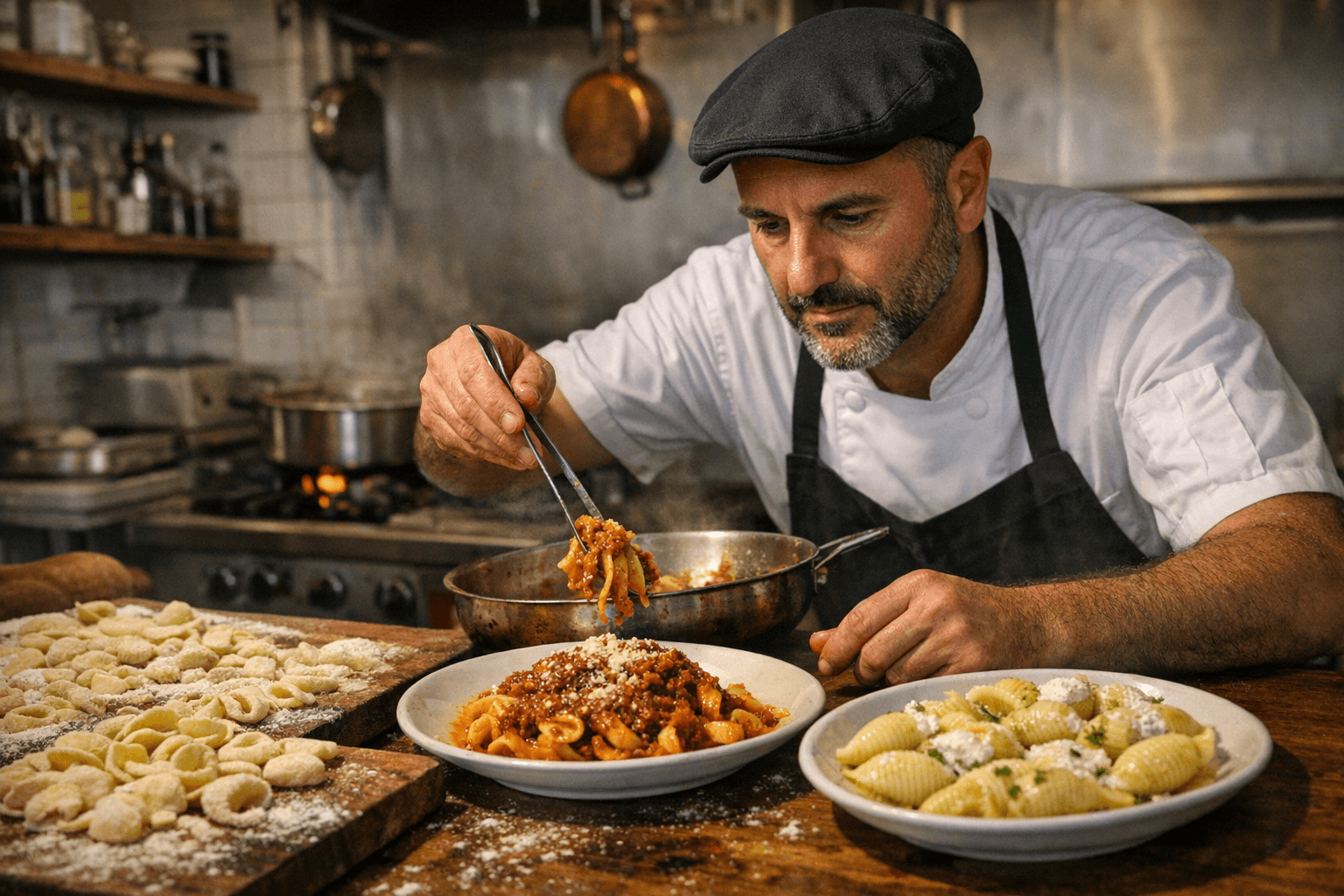
Clear Fixes for Common Fresh Pasta Problems and Mistakes
A compact troubleshooting reference lays out short, practical fixes for the most common fresh pasta issues, from dry dough to grainy cheese sauces. These targeted remedies help home cooks and community kitchens diagnose problems quickly, reduce waste, and produce more consistent results.
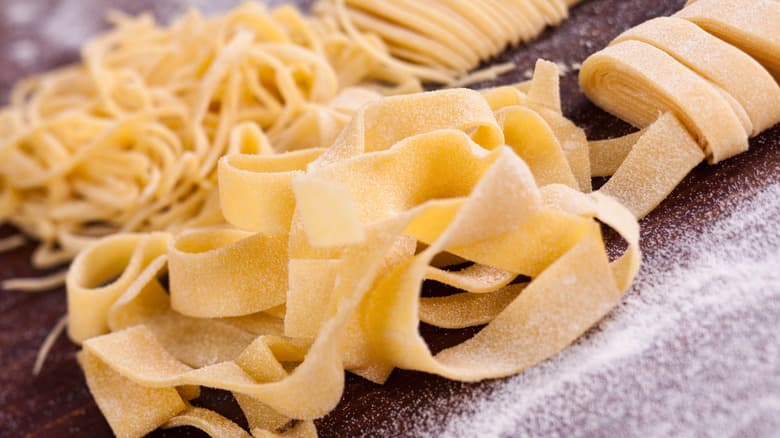
Fresh pasta making is full of tiny variables that turn a promising batch into crumbly dough, sticky sheets, or leaking ravioli. This quick-reference note collects short, clear fixes so you can diagnose and correct problems at the bench without losing momentum.
If dough is too dry or crumbly, the usual culprit is insufficient hydration: too little egg or water, or over-absorption from coarse flour. Sprinkle small amounts of water or an extra egg and knead until the mass coheres. After adjusting, rest the dough covered so moisture can equilibrate across the dough and gluten can relax. Conversely, if the dough is too sticky, you likely added too much liquid or stopped kneading too soon. Work the dough with a light dusting of flour, sparingly to avoid drying it out, and then wrap in plastic and rest 15–30 minutes so the gluten relaxes. For very wet dough, a 20–30 minute refrigeration will firm it enough to handle.
Tears while rolling or shaping usually point to insufficient resting or low egg content. Let the dough rest longer, 30–60 minutes, and knead more thoroughly before rolling. For filled pasta, avoid overstretching sheets when forming pockets. If fillings leak during cooking, that leakage is typically caused by too-wet filling or poorly sealed edges. Drain and press fillings to remove excess moisture, use a little egg wash or water along the edge to help adhesion, press seals firmly, and chill filled pieces briefly before boiling to set the seam.
When sauce won’t cling to pasta, finish the cooking in a skillet with the sauce and add reserved starchy pasta water a little at a time while tossing vigorously to emulsify. If needed, reduce the sauce to concentrate flavors and body. Cheese-based sauces such as cacio e pepe are especially sensitive: overheating or too-low starch content causes curdling or graininess. Control temperature and avoid exceeding about 65°C when adding cheese, and use starchy pasta water or a small starch slurry, roughly 2–3% starch relative to the cheese weight, to encourage a smooth emulsion.
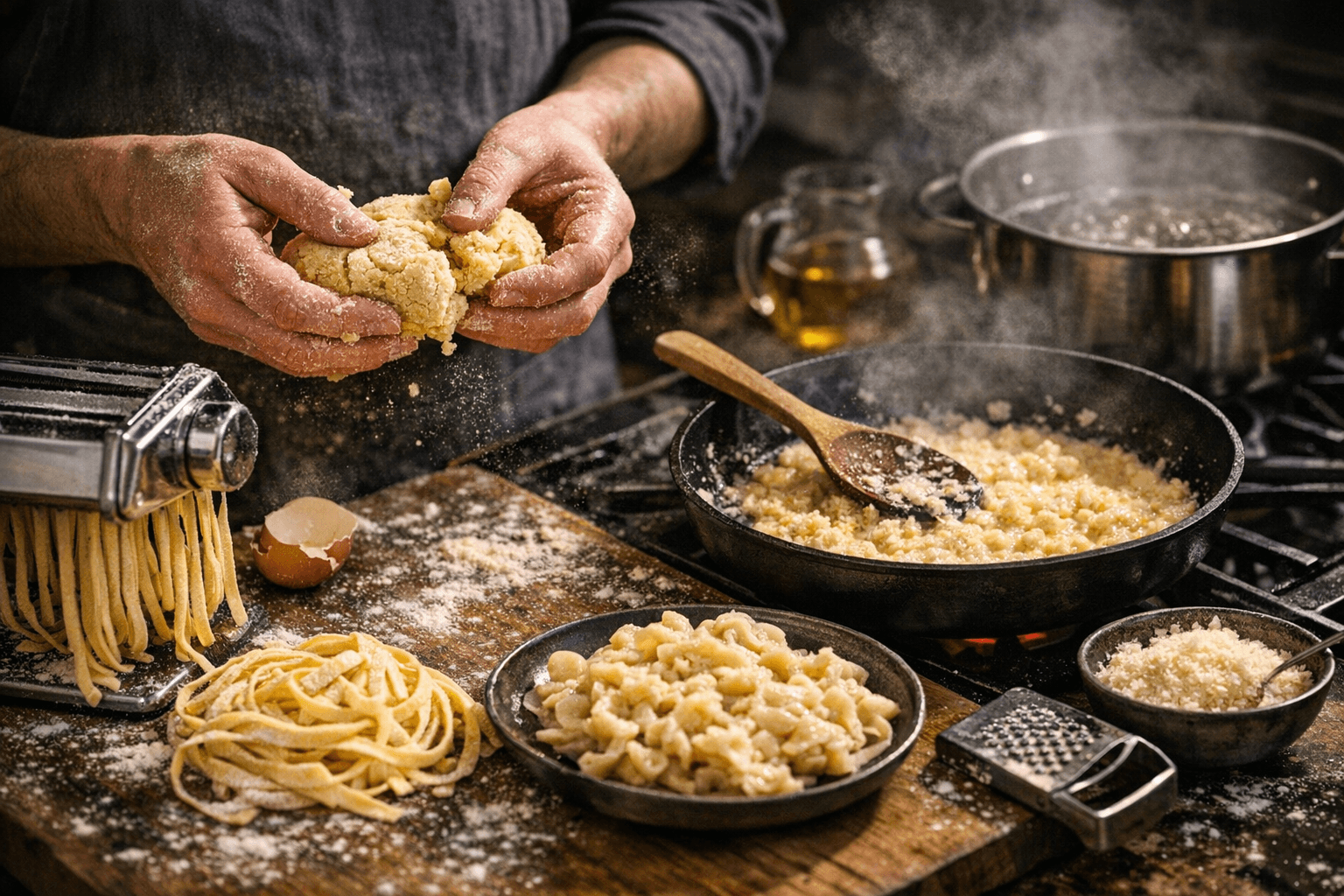
Prevent sticking during cooking by using a large pot, a rapid boil, and stirring gently for the first 30–60 seconds; cook in small batches when needed. Keep a bowl of cold water on hand to refresh fresh-cut shapes while shaping.
These concise fixes help you iterate faster at the counter, save ingredients, and get more consistent plates at home, in workshops, and at community events. Try one targeted adjustment at a time, note the result, and you’ll refine your process with every batch.
Know something we missed? Have a correction or additional information?
Submit a Tip