Clear job postings help employers attract better candidates, Indeed says
Simple job titles and posted salary ranges can cut through unqualified applications, while 65% of employers say they already rewrote listings after posting.
Simple, searchable job titles and a posted salary range can do more for applicant quality than a flashy pitch. Indeed says employers that strip out clutter, focus on responsibilities and qualifications, and make pay easier to find are more likely to reach candidates who actually fit the role.
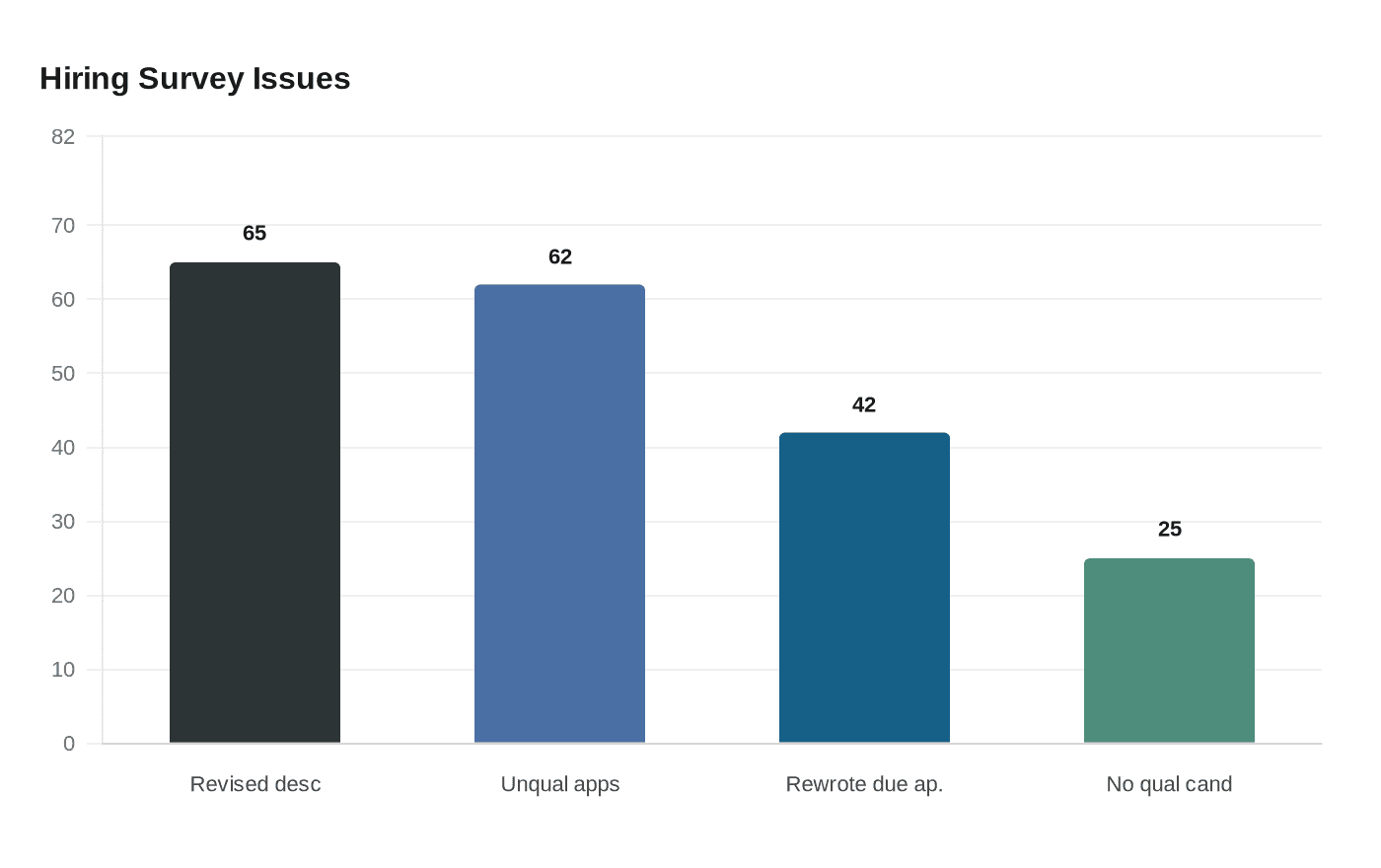
The case for cleaner postings is backed by employer behavior. In an Indeed survey of 250 employers and more than 2,000 job seekers, 65% of employers said they had revised a job description in the past year after it was posted. The biggest problem was not too few applicants, but too many of the wrong ones: 62% said their top hiring challenge was receiving applications from unqualified candidates. Another 42% said they rewrote a posting because the applicants they were getting were unqualified, and 25% said they revised one because none of the candidates were qualified.

Indeed’s guidance is straightforward. Job titles should be clear and searchable, not packed with jargon or internal phrasing. Listings should emphasize the essentials, including responsibilities, pay, benefits and qualifications. The company also warns that all caps, extra symbols and promotional language can make a posting look spammy, which can reduce visibility or even get it hidden or removed. For small and midsize employers competing with better-known brands, that clarity can matter as much as compensation.
Pay transparency is especially important because job seekers are increasingly screening for it before they apply. In Indeed’s 2024 Workforce Insights report, 58% of job seekers said pay was their priority when considering a new role, and more than 30% said they would abandon an application if a salary range was not listed. The same report found 97% of Gen Z and 90% of Millennials said financial health affects overall health, underscoring how closely workers are tying pay to broader life stability.
A spring 2024 Aerotek survey of more than 1,400 job seekers pointed in the same direction. Forty-one percent said pay was the most important factor in accepting a new job, up from 37% in spring 2023, while job security rose to nearly 20% from 14% a year earlier. Another 2024 Engage2Excel survey of 1,500 U.S. job seekers found candidates wanted recognition and respect during hiring and onboarding, fair compensation, job fit, positive working conditions and job security. It also found 80% favored a four-day work week.
The policy backdrop is changing too. By October 2025, the New York Fed said ten states, Washington, D.C. and multiple local jurisdictions had adopted pay transparency laws. The monthly share of U.S. job postings with pay information had climbed from an average of 15% before January 2018 to about 53% since January 2024, though roughly a quarter of listings covered by those laws still failed to include salary information. For employers, the message is increasingly clear: better postings do not just widen the pool, they help sort for better-fit candidates.
This article was produced by Prism’s automated news system from verified source data, official records, and press releases, then run through automated quality and moderation checks before publishing. The system is built and supervised by the people who set the standards it runs under. Read our full AI policy.
Did this article answer your question?
%3Amax_bytes(150000)%3Astrip_icc()%2FCertificate-of-deposit-2301f2164ceb4e91b100cb92aa6f868a.jpg&w=1920&q=75)