Cliff Bentz Urges Targeted Deportations for Immigrants with Criminal Records
Cliff Bentz urged the federal government to focus deportations on immigrants with criminal records, saying targeted enforcement and lawful procedures matter for public safety and local services.

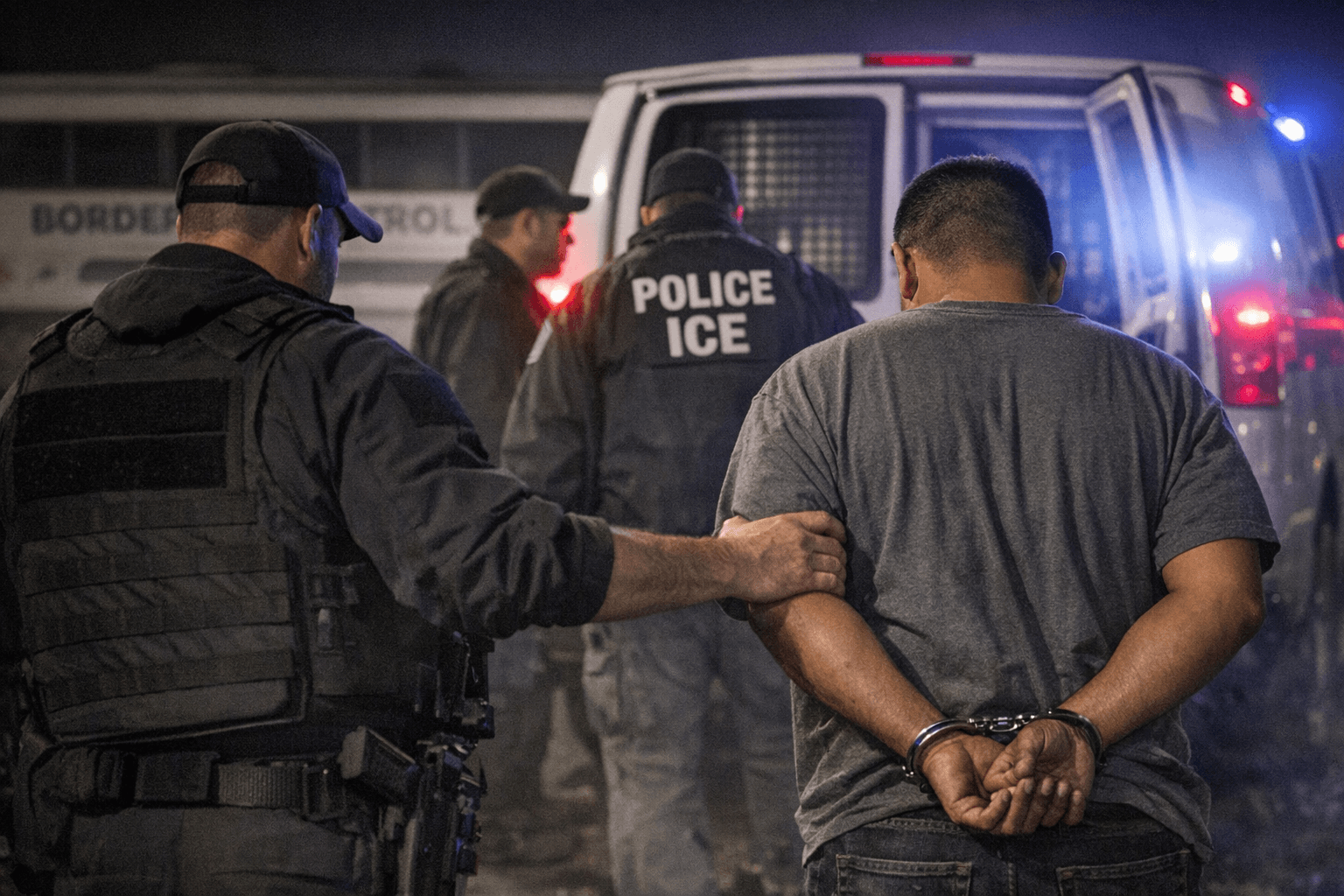
U.S. Rep. Cliff Bentz called for a narrower federal deportation strategy that prioritizes immigrants with criminal records, arguing the change would better protect public safety and respect lawful enforcement. Bentz tied his appeal to recent fatal federal operations in Minnesota, saying those incidents show the need to rethink how removals are carried out.
Bentz told Baker City Herald reporters that he has lobbied the Trump administration and members of the White House staff to adopt a different approach. “It’s a tragedy, what has happened,” Bentz said, adding, “The question now is what do we do to try to make sure it doesn’t happen again.” He credited the administration for securing the southern border but said the current crackdown has swept up people who entered illegally without criminal records. “I disagree with that approach,” he said.
Drawing on data he reviewed, Bentz estimated roughly 1 million people of the 5 million to 7 million who entered the country illegally during the Biden presidency have criminal records or committed crimes in their home countries. He said the Main Street Caucus - about 85 Republicans in Congress - has spent roughly six months urging White House officials to focus enforcement on that subgroup and to ensure operations follow legal standards. Bentz said he and other caucus members met with Stephen Miller, White House deputy chief of staff for policy and homeland security advisor, and “We’ve expressed to him our concerns.”
Bentz stopped short of deciding whether the Minnesota shootings were justified, saying he had not seen enough evidence and warning against prejudging events based on video alone. He reiterated opposition to amnesty and said immigrants who entered illegally will need to “earn” citizenship, but emphasized that the challenge is how to enforce immigration laws lawfully and effectively.
For Baker County, the debate has immediate local resonance. Bentz said he has not heard of any ICE operations in the district, but his focus on lawful, targeted enforcement could shift federal priorities that affect rural communities, local law enforcement relationships, and the region’s agricultural and service workforces. Bentz also linked enforcement priorities to his broader legislative work: he highlighted efforts to boost rural health funding, saying he helped double the rural health allocation in the federal spending bill to $50 billion and that Oregon will receive $197.3 million for 2026. Baker County commissioners hope those funds could help Saint Alphonsus Medical Center-Baker City reopen its birthing center, closed in August 2023.
Bentz said he switched from in-person town halls to phone events last year over safety concerns but expects to resume face-to-face meetings when they can be productive. “I really enjoy my town hall meetings, very very much,” he said. “I’d be more than happy to (resume) if we can make them productive.” His phone forums drew about 31,000 to 32,000 callers last year.
What comes next for Baker County is practical: local leaders and hospital administrators will watch whether the administration narrows enforcement priorities and how federal funding flows to regional health care. Bentz’s push for targeted deportations signals a potential policy shift that could reshape how immigration enforcement and community safety intersect across eastern Oregon.
Sources:
Know something we missed? Have a correction or additional information?
Submit a Tip