Climate Change Lengthens Europe’s Pollen Season, Hay Fever Symptoms Worsen
Europe’s pollen season is now up to two weeks longer than in the 1990s, and birch, alder and olive are starting earlier as symptoms drag on.

Pollen season in Europe is now lasting one to two weeks longer on average than it did in the 1990s, a shift that is already stretching hay fever, or allergic rhinitis, deeper into the year.
The Lancet Countdown in Europe 2026 report, published in The Lancet Public Health, found that the season ran longer between 2015 and 2024 than it did between 1991 and 2000. Researchers also detected earlier season starts of one to two weeks for allergenic trees including birch, alder and olive. The report was compiled with the contribution of 65 experts from 46 academic and UN institutions and tracks 43 indicators of climate and health impacts, underscoring how warming is altering everyday health risks as well as longer-term disease patterns.
The change matters because people with allergic rhinitis are spending more time exposed to airborne pollen, which can extend both the duration and the severity of symptoms. The report links the shift to climate change and to changing weather patterns that are affecting when pollen-producing plants flower. For many people, that means longer spells of sneezing, itchy eyes, congestion and sleep disruption.
The effects were also visible across the United Kingdom in April 2026, when the Met Office said pollen levels were high or very high in many areas of England and Wales. Birch pollen had become dominant in the tree pollen season, while ash and oak also contributed to the load in the air. That mix matters because different trees and plants can trigger symptoms at different times, keeping allergy sufferers under pressure for longer than in the past.
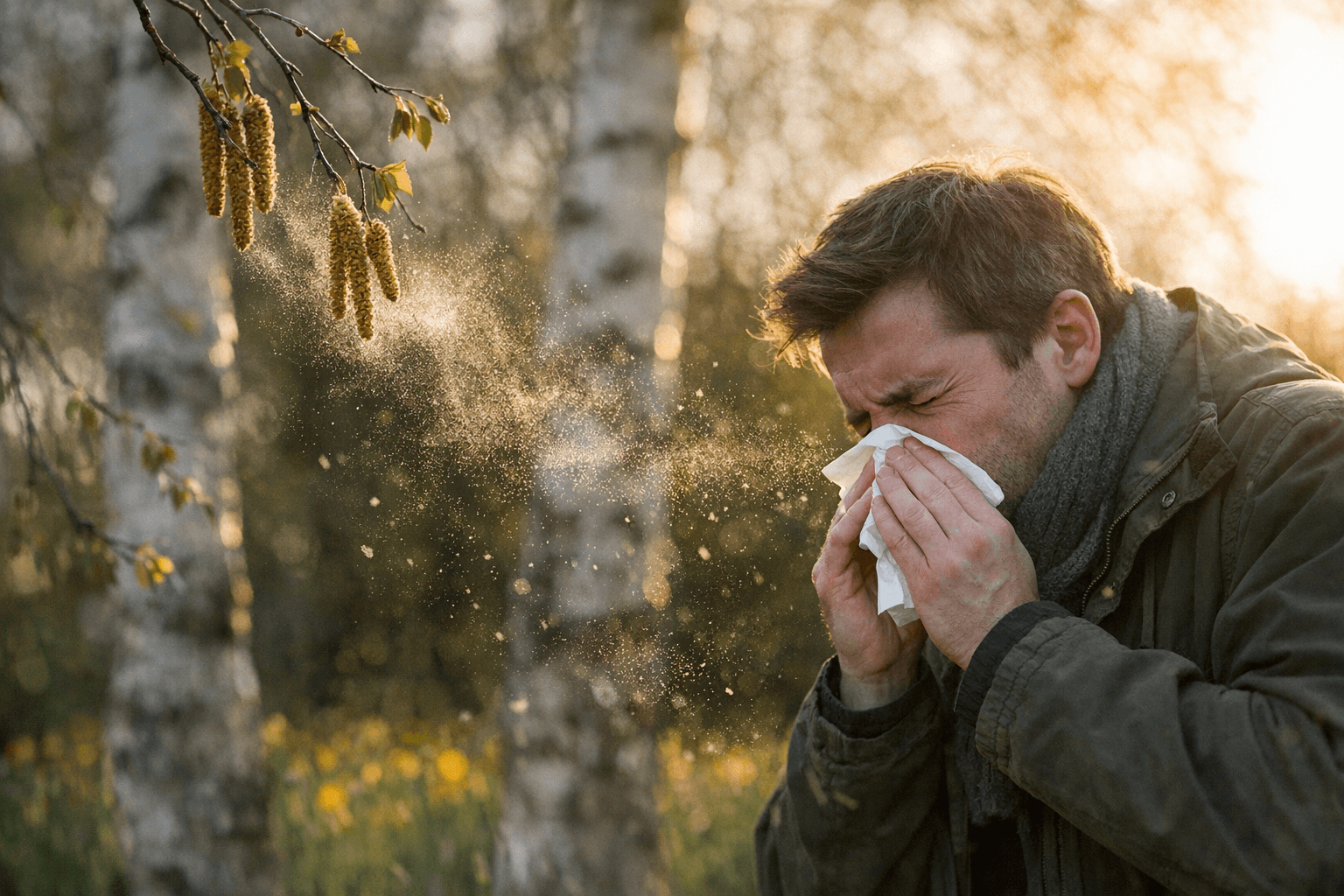
Health advice remains straightforward but important. The NHS says pharmacists can recommend antihistamine drops, tablets or nasal sprays, including steroid nasal sprays, for hay fever. It also warns that some antihistamines can cause drowsiness, making non-drowsy options a better choice for people who need to stay alert at work or while driving.
Allergy UK says hay fever is an allergic reaction to pollen from trees, grass and weeds, and the most practical step is to limit exposure when pollen counts are high. That is becoming harder as the season lengthens, but the trend is clear: a warmer climate is not just shifting the calendar, it is making allergy season longer, earlier and harder to escape.
This article was produced by Prism’s automated news system from verified source data, official records, and press releases, then run through automated quality and moderation checks before publishing. The system is built and supervised by the people who set the standards it runs under. Read our full AI policy.
Did this article answer your question?