Climate skeptic Wielicki to lead major U.S. climate report
A former University of Alabama geochemist who calls himself a professor in exile is now steering the federal office behind the National Climate Assessment.
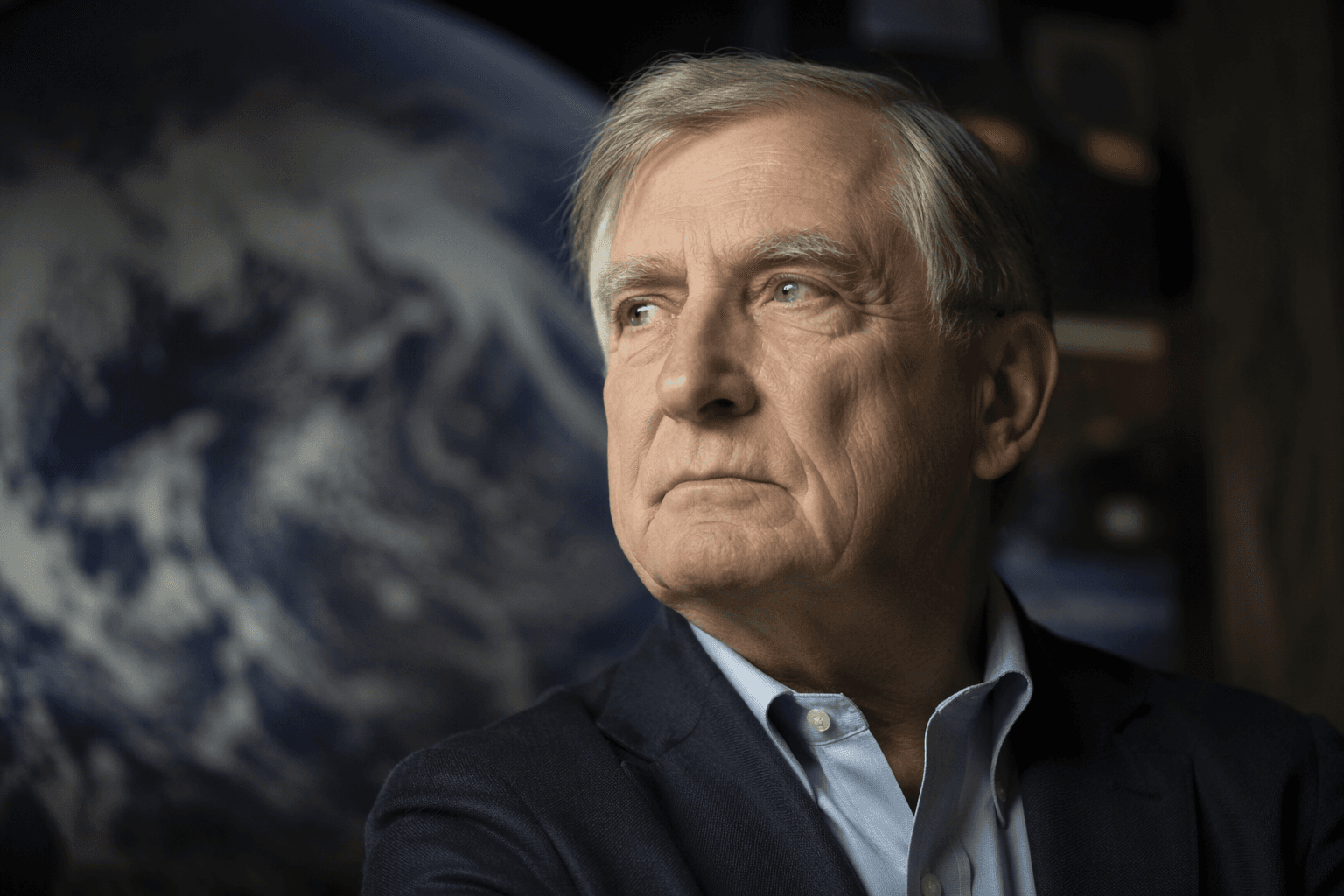
Matthew M. Wielicki is now heading the U.S. Global Change Research Program, the federal office that coordinates global change research across 15 agencies and produces the National Climate Assessment. The appointment puts a longtime critic of mainstream climate warnings at the center of the government’s flagship climate synthesis, a role that carries unusual weight inside Washington and far beyond it.
The U.S. Global Change Research Program is not a small scientific shop. Under the Global Change Research Act of 1990, it is required to deliver an assessment to Congress and the president at least every four years. NOAA says those reports must examine impacts on the natural environment, agriculture, energy, land and water resources, transportation, human health and welfare, human social systems, and biodiversity over the next 25 to 100 years. The Fifth National Climate Assessment, published on November 14, 2023, is the federal government’s preeminent report on climate change impacts, risks and responses.
That makes the post highly consequential. The assessment is a core federal reference used to inform U.S. decision-making, and any shift in its leadership can affect how climate findings are framed, which uncertainties are emphasized, and how the report is received by lawmakers, agencies and the public. The White House had previously shuttered the USGCRP website, including access to National Climate Assessment reports, before the program was restored, deepening concerns about the durability of the government’s climate infrastructure.
Wielicki, a former University of Alabama geochemist, has described himself as a “professor in exile” or “earth science professor-in-exile.” He has publicly argued that climate change is not a hoax, but that catastrophic predictions should be treated skeptically. That position has made him a flashpoint inside a process that is supposed to synthesize evidence across the federal government, not test whether one faction can recast the findings.
Critics say putting a climate skeptic in charge could jeopardize the integrity of one of the country’s most important climate science resources. The concern is not only about who writes the report, but about whether the language, tone and authority of the National Climate Assessment will still carry the same scientific credibility when it reaches Congress, the president and the rest of the world.
This article was produced by Prism’s automated news system from verified source data, official records, and press releases, then run through automated quality and moderation checks before publishing. The system is built and supervised by the people who set the standards it runs under. Read our full AI policy.
Did this article answer your question?