Trump officials weigh permanent fencing around White House, Lafayette Square
Trump officials are weighing permanent fencing near the White House and Lafayette Square, a change that could make Pennsylvania Avenue feel less open to the public.
Trump administration officials are discussing permanent fencing on the block of Pennsylvania Avenue near the White House and around Lafayette Square. The plan would put the fencing near 15th and 17th Streets NW, and the White House and Secret Service could still open and close sections when needed. President Donald Trump has not yet approved it, and no contractors have been hired.
Pennsylvania Avenue is the ceremonial link between the White House and the U.S. Capitol, and the stretch near Lafayette Square carries a daily mix of tourists, pedestrians, protests and official events.
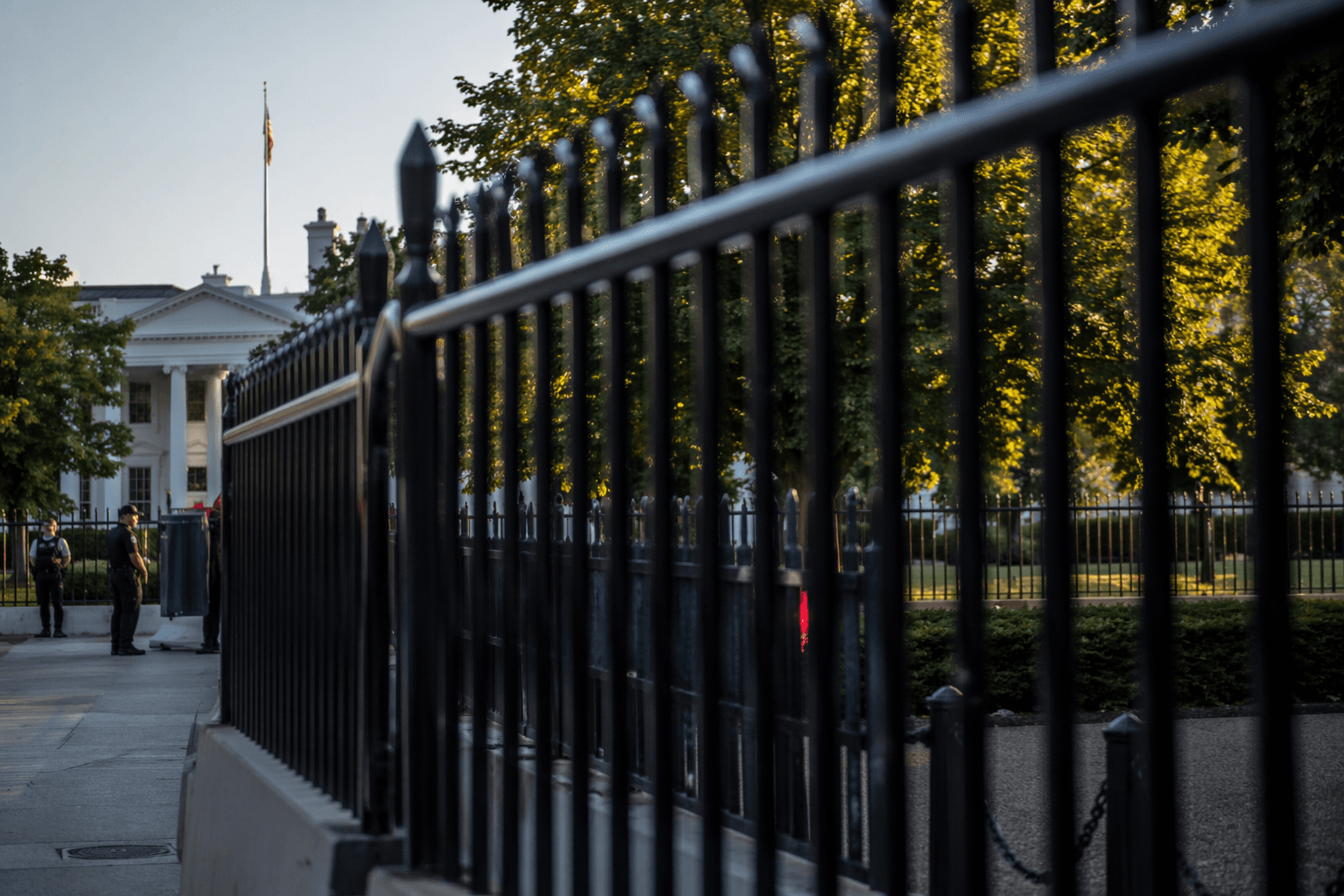
Construction on the current fence began July 8, 2019, covering the 18-acre White House complex with more than 3,500 feet of steel fencing, according to the National Park Service. The replacement fence was designed to stand about 13 feet tall, up from 6 feet 6 inches, and to include anti-climb and intrusion-detection features. Final approval came from the National Capital Planning Commission in 2017, the construction contract was awarded in June 2018, and the north portion of the project was set to run through March 2020, with the work continuing in phases beyond that.
During that construction, Lafayette Park, the north sidewalk of Pennsylvania Avenue, Jackson Place NW and Madison Place NW remained open to pedestrians and cyclists. Scheduled White House tours would continue and demonstration permits in Lafayette Park would still be issued. In August 2019, the Secret Service expanded a Pennsylvania Avenue closure for public safety because heavy machinery and large vehicles were using the street, though Lafayette Park and nearby sidewalks remained open.
The first perimeter fence was a wood rail fence completed in 1803 during Thomas Jefferson’s presidency. Some historic pieces from the newer fence were preserved for museum collection.
This article was produced by Prism’s automated news system from verified source data, official records, and press releases, then run through automated quality and moderation checks before publishing. The system is built and supervised by the people who set the standards it runs under. Read our full AI policy.
Did this article answer your question?