White House backs Senate bill to hit Russia with new sanctions
White House backing revived a Senate bid to penalize Russian oil buyers, with the bill aimed at India and China and floated as leverage on Moscow.
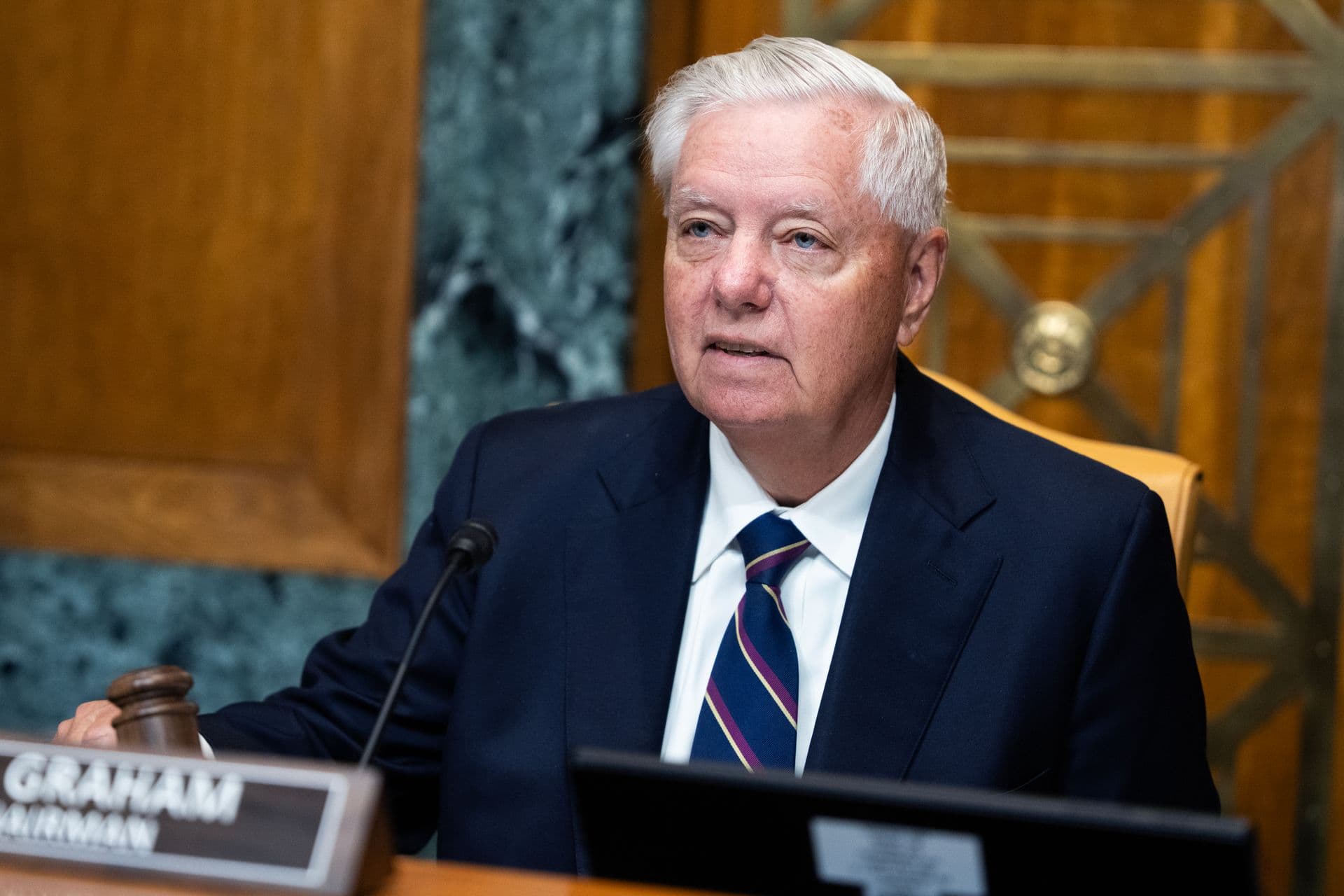
Four senators said Friday they had won White House backing for a new Russia sanctions bill, putting Washington behind a fresh bid to punish buyers of Russian oil and gas. The central economic question is whether the move can pressure Vladimir Putin to negotiate without driving up energy costs for U.S. consumers and allies.
Lindsey Graham of South Carolina, Richard Blumenthal of Connecticut, Jeanne Shaheen of New Hampshire and Roger Wicker of Mississippi said the administration had approved the latest draft of the measure. The bill is designed to impose heavy financial penalties on countries that keep buying Russian energy, with India and China identified as the two biggest buyers of Russian oil. Senate sponsors say the measure has more than 80 cosponsors, a sign of broad support if John Thune brings it to the floor.

The updated language matters because the White House had previously resisted full support and pushed for more flexibility for Donald Trump in dealing with Moscow. The senators said the revised text was written to satisfy that concern, after months of negotiations over how much latitude the president should have if he wants to keep talks with the Kremlin alive. Earlier versions of the bill contemplated a 500% tariff on goods imported from countries that buy Russian oil, gas, uranium and other products.
Trump’s stance has shifted in recent weeks. On June 16, 2026, he said the United States was in a position to reinstate sanctions on Russian oil, and at the NATO summit this week he signaled a tougher line toward Moscow after meeting with Volodymyr Zelenskyy. The White House also approved U.S. purchases of Ukrainian drones for American use and gave Ukraine permission to produce Patriot interceptors, moves that suggested a broader hardening of policy alongside the sanctions push.
The Senate drive has been here before. In July 2025, Graham said Trump was already on board and the bill had been revised to give the president a second 180-day waiver, but the effort stalled again. Sponsors have now made another pass at language they hope Trump will accept, underscoring how closely the fate of the sanctions package still hinges on presidential support.
The measure also arrives as the G7 steps up pressure on Russia. The United Kingdom and Canada have announced fresh sanctions, and the European Commission is working on its 21st sanctions package as European leaders try to force Putin back to negotiations. That wider campaign has made the Senate bill more than a domestic political signal: if it lands, it would test whether targeting Russian energy buyers can hit the Kremlin’s war economy harder than it hits global markets.
This article was produced by Prism’s automated news system from verified source data, official records, and press releases, then run through automated quality and moderation checks before publishing. The system is built and supervised by the people who set the standards it runs under. Read our full AI policy.
Did this article answer your question?