Climate study warns 2026 World Cup faces dangerous heat risks
About 26 of 104 World Cup matches could hit heat levels that trigger cooling breaks, and about five may be hot enough to warrant postponement.

Heat is no longer just a background risk for the 2026 World Cup. It is becoming a planning problem that could reshape kickoff times, player safety rules, stadium operations and fan travel across North America.
A new climate analysis says roughly 26 of the 104 matches across the United States, Mexico and Canada are likely to be played in conditions at or above FIFPRO’s 26C wet-bulb globe temperature threshold for cooling breaks. About five matches could reach 28C WBGT or higher, the level at which postponement would be advised. The tournament is scheduled for June 11 to July 19, 2026, across 16 cities, with the final set for New York/New Jersey on July 19.
The findings sharpen a central concern for organizers: summer heat in southerly and inland U.S. venues, along with parts of Mexico, can climb to levels that make both players and spectators vulnerable. The analysis says conditions in those areas can frequently approach or exceed 30C, while northern and coastal sites, especially in Canada and along the U.S. Pacific coast, should be milder. It also says the heat risk is almost twice what it was at the 1994 World Cup in the United States, when North America was about 0.7C cooler.
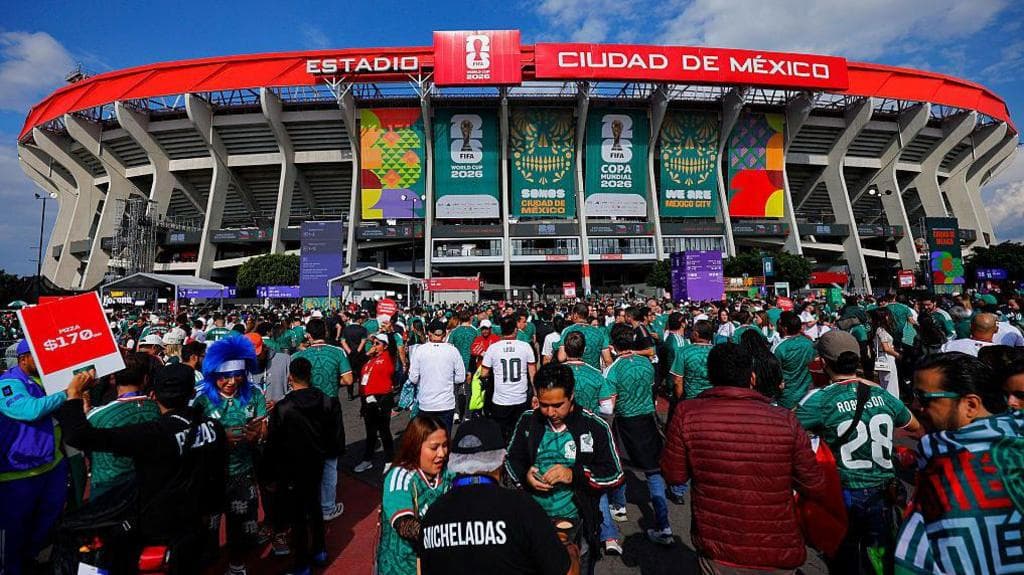
The implications reach well beyond the pitch. All 16 host cities are expected to stage open-air Fan Festivals, which means large crowds could be exposed outside air-conditioned stadiums for long periods. That raises the stakes for transit planning, hydration access, shade, medical staffing and the timing of public gatherings around matches.

FIFPRO’s guidance treats heat as a physiological issue, not just an inconvenience. Its recommendations rely on WBGT, a measure that combines ambient temperature, humidity, radiant heat and air movement. The union says cooling breaks should begin when WBGT hits 26C, and postponement should follow at 28C or higher. It has also pressed FIFA to consider weather in lineups and tactics, based on player and manager surveys that found hot, humid conditions can make it difficult to perform as a team.
FIFA says it has already planned for heat risk with hydration breaks, cooling infrastructure, adapted work-rest cycles and enhanced medical readiness that can be adjusted to real-time conditions. But climate scientists warn that the issue may show up less as a wave of medical emergencies than as a drag on performance, especially for elite players who can self-pace while still absorbing severe thermal stress.

That makes the 2026 tournament a test of whether global football bodies are adapting fast enough to climate reality, or still building summer showcase events for a cooler world.
This article was produced by Prism’s automated news system from verified source data, official records, and press releases, then run through automated quality and moderation checks before publishing. The system is built and supervised by the people who set the standards it runs under. Read our full AI policy.
Did this article answer your question?