Climate-vulnerable nations launch compact to cut borrowing costs
Seventy-four climate-vulnerable economies backed a Vienna compact to lower borrowing costs and add repayment pauses after disasters.

Climate-vulnerable governments and major development lenders launched a new financing compact in Vienna on Tuesday to make borrowing cheaper, steadier and more resilient after repeated climate shocks. The Vulnerability to Viability Compact covers 74 economies and brings together more than a dozen multilateral lenders, including the World Bank and the OPEC Fund for International Development.
The initiative was unveiled at the OPEC Fund Development Forum as a joint effort by the OPEC Fund and the Government of Barbados, which chairs the Climate Vulnerable Forum and its V20 finance ministers. Backers say the compact is aimed at countries that have contributed the least to global emissions but are paying the highest price for droughts, hurricanes and floods, with capital often priced as if climate danger were a purely financial failure rather than a physical reality.
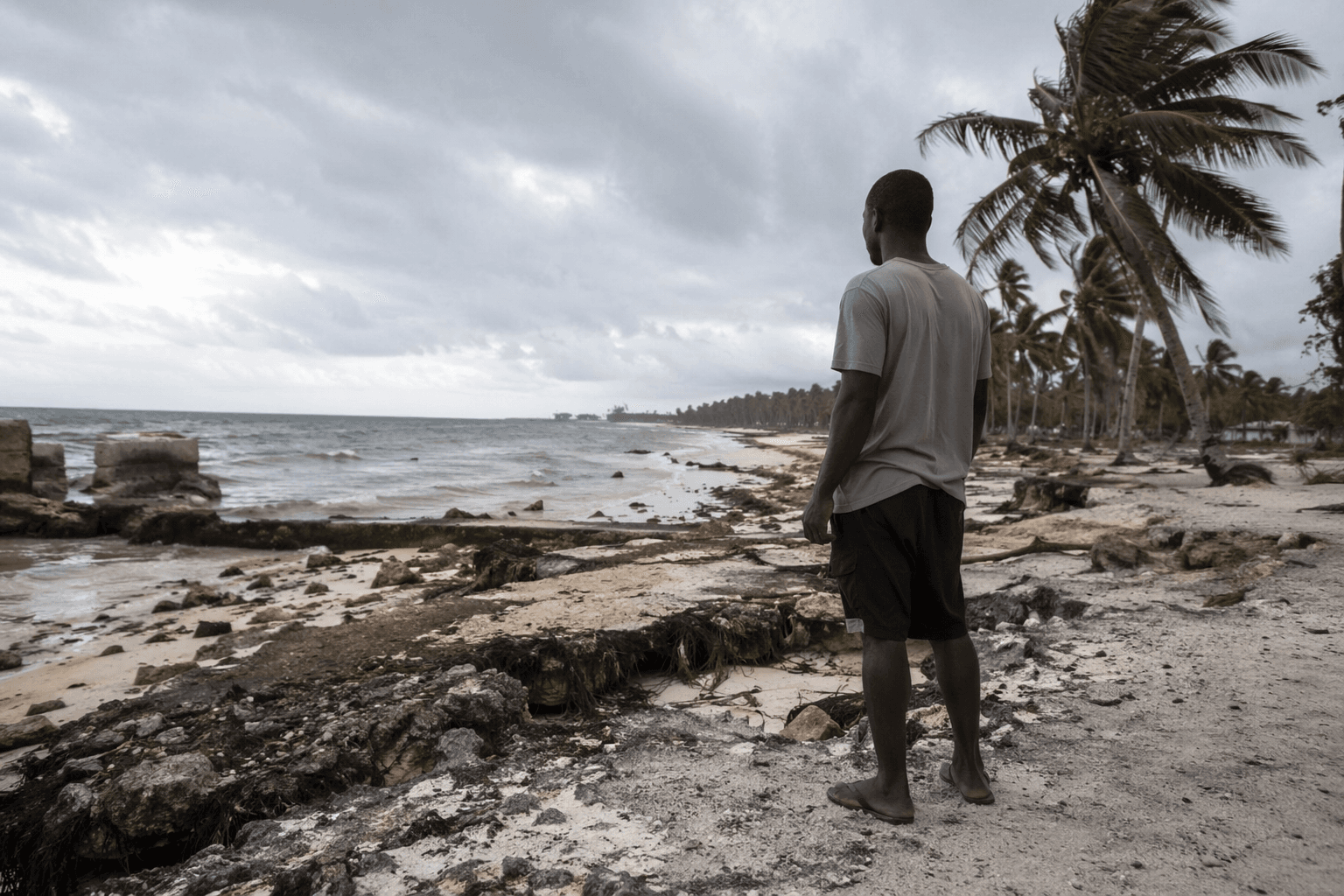
Its financing model is built around cheaper and more concessional lending, more private capital and shock-responsive tools, including loans that can pause payments during emergencies. In practice, that would give hard-hit governments more room to keep hospitals, schools and water systems running when disasters strike, while shifting more of the downside risk toward lenders and investors that have traditionally collected higher returns from vulnerable sovereign borrowers. The goal is to ease the borrowing squeeze that has left poorer states paying too much for debt after markets misjudge their risk.
Barbados Prime Minister Mia Mottley framed the problem in blunt terms, calling it “an injustice” that debt taken on for sanitation systems, schools or hospitals is often repaid over only 10 to 20 years even though the benefits can last for generations. The compact’s outline says water, education and health systems should be prioritized because they are foundational to human security, a sign that the group wants the debate over climate finance to move beyond post-disaster aid and into the rules that determine who can borrow, how much they pay and how quickly they recover.
The effort is still in early form. Its backers plan a more detailed white paper for the World Bank and International Monetary Fund annual meetings in Bangkok from October 12 to 18, 2026, giving the compact a concrete policy deadline and a global stage. The CVF-V20 is also seeking observer status at the United Nations General Assembly, part of a broader push for institutional recognition as a bloc of countries that say climate change has already erased about one-fifth of their combined wealth, or roughly $525 billion, over two decades. The V20 says its most exposed members have lost more than half of their growth since 2000 to climate-related damage, underscoring why they are pressing for a financing system that is slower to punish and faster to respond.
This article was produced by Prism’s automated news system from verified source data, official records, and press releases, then run through automated quality and moderation checks before publishing. The system is built and supervised by the people who set the standards it runs under. Read our full AI policy.
Know something we missed? Have a correction or additional information?
Submit a Tip