Libya's eastern authorities ban entry from four African countries
Libya’s eastern rulers barred Sudanese, Eritrean, Ethiopian and Somali nationals, tightening control over a route carrying 936,134 migrants and refugees.
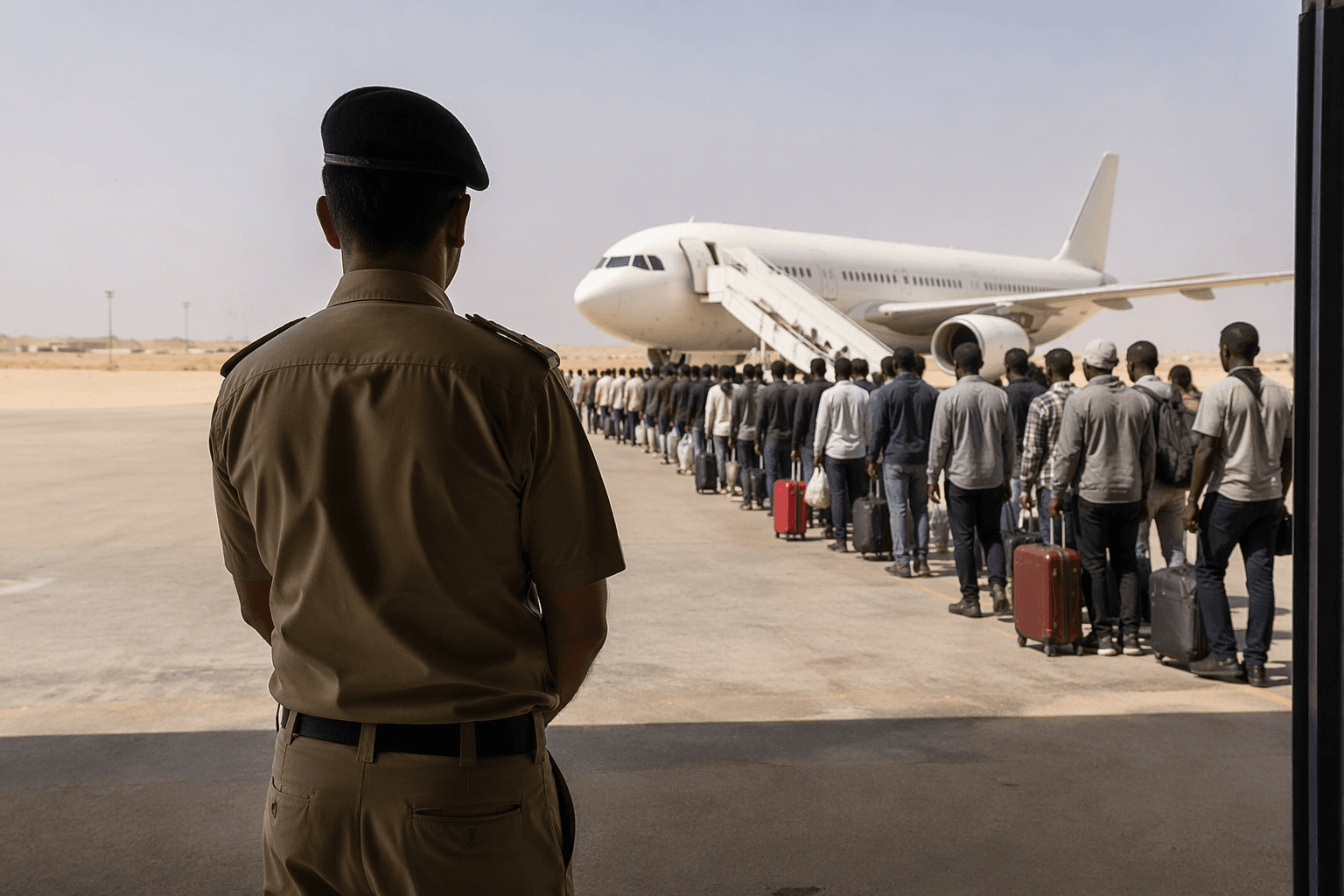
Libya’s eastern authorities barred nationals of Sudan, Eritrea, Ethiopia and Somalia from entering through land, sea and air ports. The decree came from the Benghazi-based administration aligned with Khalifa Haftar, whose forces control much of eastern Libya and large areas of the south.
The order was broad, but not absolute. Diplomatic and consular staff, along with their family members, were exempted, and so were workers in education, medicine and related health jobs if they secured the proper approvals and valid contracts. The move was part of a reorganization of foreign nationals’ entry into Libya.
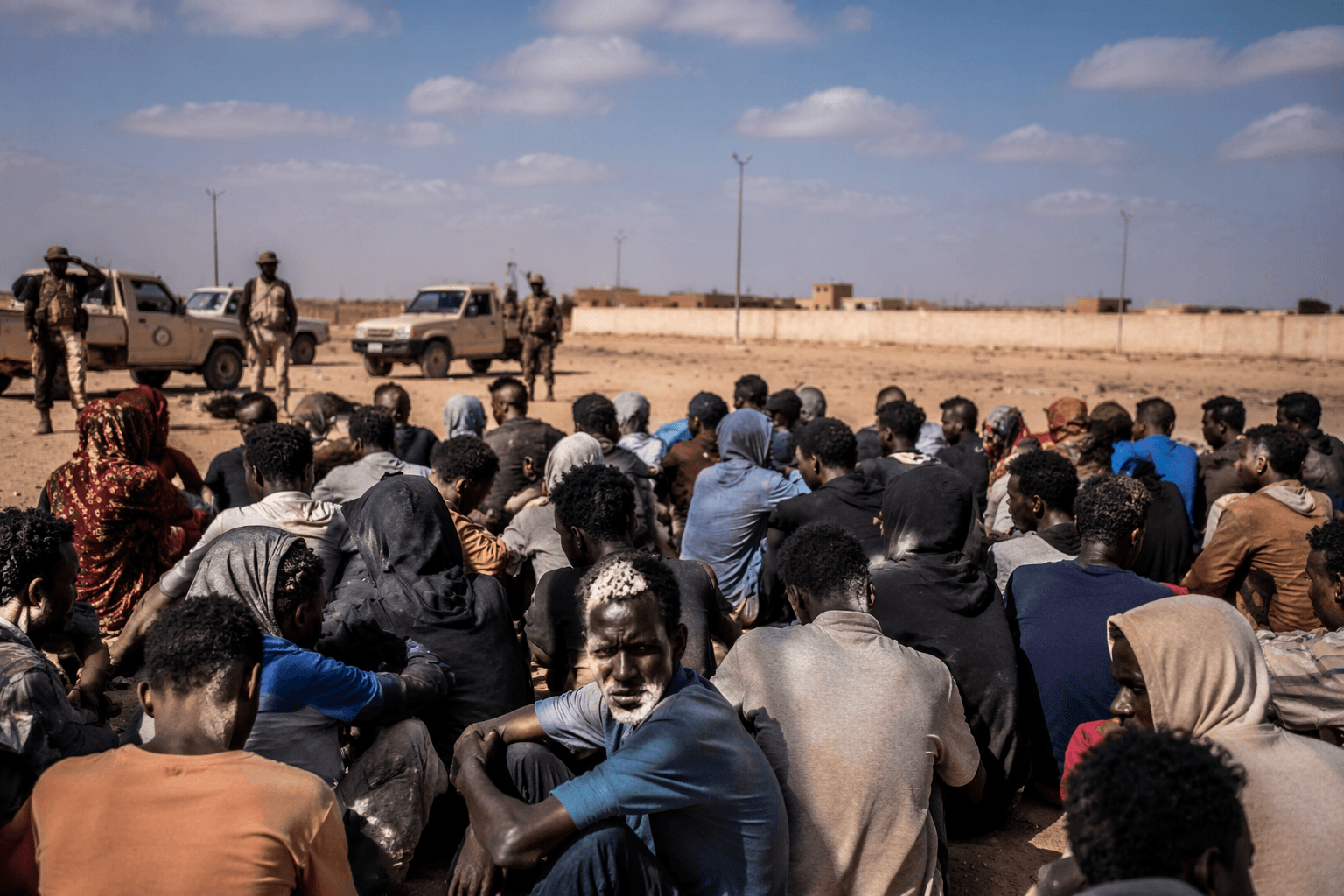
The ban landed in a country that has become one of North Africa’s most important migration hubs since the overthrow of Muammar Gaddafi in 2011. The International Organization for Migration estimated 936,134 migrants were present in Libya in January-February 2026. UNHCR counted 6,987 people held in official detention centres across the country at the end of April, including 2,722 who were potentially in need of international protection. Around 1,000 deaths were recorded in the Mediterranean since the start of 2026, with most departures from Libya.
In June, the country was split between the UN-recognised Government of National Unity in Tripoli and eastern-based authorities backed by the House of Representatives and General Haftar’s Libyan National Army. Planned elections in December 2021 were postponed indefinitely, leaving rival administrations to issue their own rules on movement, security and migration.
The new ban came after a different eastern policy toward Sudanese nationals. In December 2025, Abdelhadi Al-Huwaij, the east-based foreign minister, chaired the inaugural meeting of a committee in Benghazi tasked with regularizing the legal status of Sudanese nationals in eastern Libya. UN agencies and Libyan ministries held technical consultations on the Libya chapter of the 2026 Sudan Regional Refugee Response Plan on February 11, as conflict in Sudan continued to push more people toward Libya.
For families, workers and travelers from the four countries, the decree could disrupt movement across a country where access already depends on fragile local arrangements.
This article was produced by Prism’s automated news system from verified source data, official records, and press releases, then run through automated quality and moderation checks before publishing. The system is built and supervised by the people who set the standards it runs under. Read our full AI policy.
Know something we missed? Have a correction or additional information?
Submit a Tip