CMS finalizes Medicaid work rule, tightens illness exemption eligibility
People with serious illnesses may lose Medicaid coverage if states tighten proof of frailty. The new 80-hour rule takes effect by Jan. 1, 2027.

The biggest immediate risk in CMS’s new Medicaid work rule is not just the 80-hour monthly requirement. It is the narrower path to an illness exemption, which could leave medically fragile adults, including people with serious physical or mental health conditions, without coverage if states demand stricter proof or miss paperwork deadlines.
The Centers for Medicare & Medicaid Services issued an interim final rule on June 1, 2026, putting in place a nationwide community-engagement requirement for certain Medicaid adults. Under the rule, covered adults generally must log 80 hours a month of work, education, a work program or community service, and states must generally implement the change no later than January 1, 2027. CMS said the new framework follows the 2025 law that created the requirement and will force major system, policy and operational changes inside state Medicaid programs.
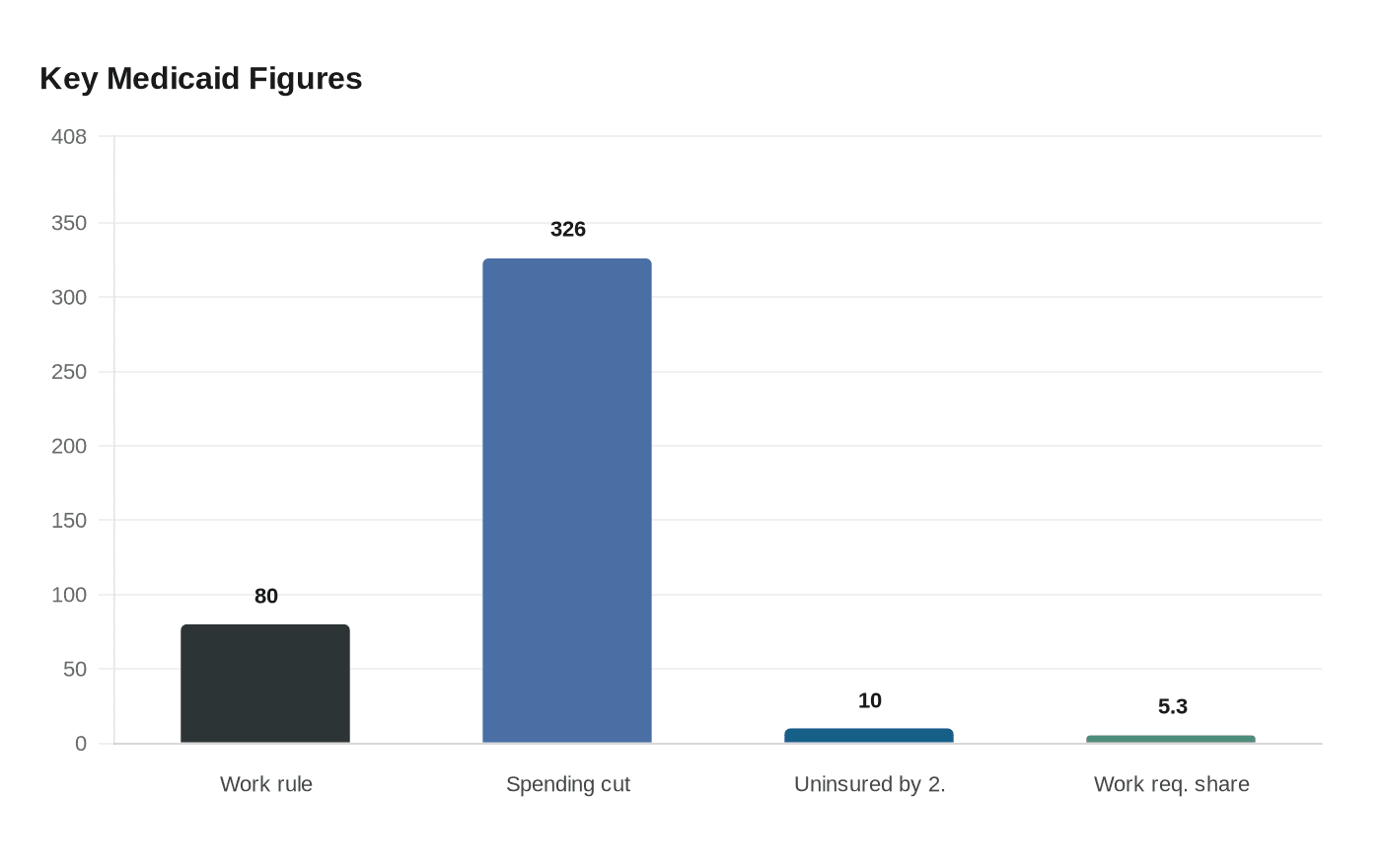
That implementation sprint is where the coverage losses are likely to happen. Medicaid is the single largest source of health coverage in the United States, serving about 68 million to 70 million people, and earlier federal estimates and outside analysts have repeatedly warned that work rules can push eligible people off the rolls because of paperwork, reporting failures and verification problems rather than any refusal to work. KFF estimated the new requirements would cut federal Medicaid spending by $326 billion over 10 years and said the 2025 reconciliation law could increase the number of uninsured people by 10 million by 2034, with 5.3 million of that tied to Medicaid work requirements.
The frailty exemption is drawing particular attention because states were already moving ahead with plans for how to operationalize it before CMS issued formal guidance. That leaves state Medicaid agencies to decide how to verify who qualifies as medically frail, what documentation counts, and how often eligibility must be checked. Human Rights Watch and Oxfam America warned that the rules could cause millions of low-income people to lose coverage under the weight of administrative burdens, especially when a serious diagnosis does not easily fit a narrow checklist.
The policy follows a path familiar from earlier work-requirement fights, but with a tighter federal timetable and a more formal national framework. Past efforts were often blocked, delayed or scaled back before taking full effect. This time, CMS has set a nationwide deadline and given states only months to build the systems to enforce it, raising the stakes for patients who already struggle to navigate Medicaid paperwork while managing illness, disability and unstable access to care.
This article was produced by Prism’s automated news system from verified source data, official records, and press releases, then run through automated quality and moderation checks before publishing. The system is built and supervised by the people who set the standards it runs under. Read our full AI policy.
Did this article answer your question?