Coal Emissions Rollback Raises Mercury Levels in Wild Tuna, Anglers Warned
Of 30 canned-tuna samples tested, six showed mercury spikes that would change FDA guidance; experts warn recent coal-plant emissions rollbacks could raise mercury in wild tuna.
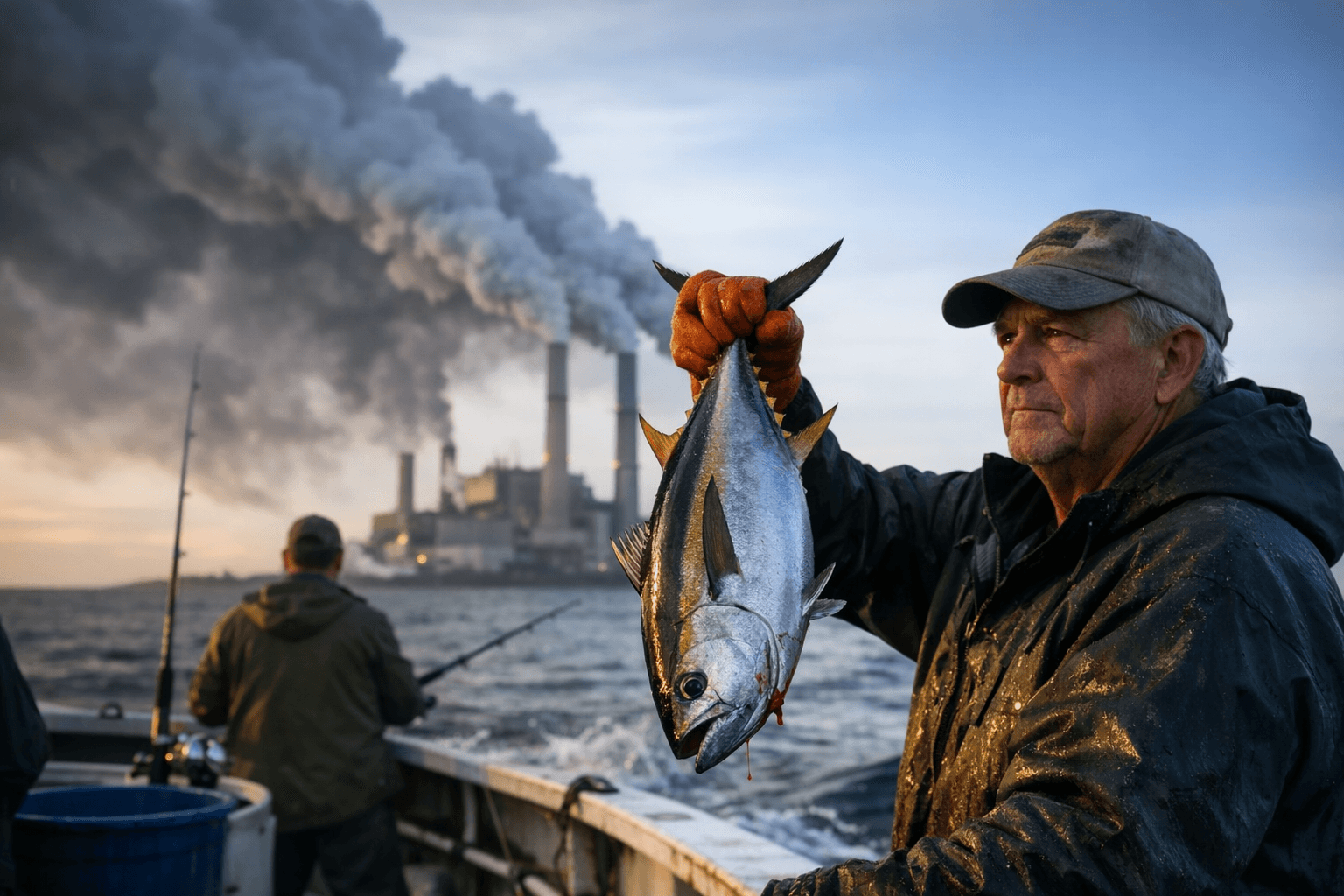
Of the 30 canned-tuna samples Consumer Reports tested, six showed individual spikes in mercury content that would change the FDA’s recommendation about how often someone should eat that particular tuna — 20 percent, or one in five cans. McCay also told me that he “certainly” expects mercury levels in the fish to rise due to the EPA’s decision, a development anglers say could reverse years of progress in lowering mercury exposure from seafood.
The historical stakes are stark. It started with the cats. In the seaside town of Minamata, on the west coast of the most southerly of Japan’s main islands, Kyushu, the cats seemed to have gone mad - convulsing, twirling, drooling, and even jumping into the ocean in what looked like suicides. Locals started referring to “dancing cat fever.” Then the symptoms began to appear in their newborns and children. That episode is the shorthand scientists and fishermen use when describing what unchecked mercury contamination can do to communities and food chains.
Scientific measurements show policy matters. Elsie Sunderland, the Gordon McKay Professor of Environmental Chemistry at Harvard University, said “The more we reduce mercury emissions into the atmosphere, the more we can reduce mercury contamination in the oceans, and we are seeing the effects of policy changes already.” Sunderland and her colleagues have estimated that U.S. power plants reduced their mercury emissions by 90 percent from 2008 to 2020, a decline the team attributes to stricter EPA regulations.
But the trend is not uniform across oceans. Nicholas Fisher, PhD, a distinguished professor in the School of Marine and Atmospheric Sciences at the State University of New York at Stony Brook, notes that “mercury contamination in tuna caught in the Pacific Ocean is on the rise, but levels are dropping in tuna from the Atlantic Ocean.” Fisher and other experts link those differences to the industrial practices and emissions controls of nations bordering each ocean basin.
Consumer testing underlines the unpredictability consumers and anglers face. “Though mercury levels in light tuna tend to be low on average, it’s clear from CR’s data that there can be unpredictable spikes of the toxin in individual cans,” the testing report concluded. Hansen put the point bluntly: “You may know that in general light tuna has less mercury than albacore, but you can’t tell by just looking how much mercury a specific can has.”
Some companies respond with stricter screening. “Unlike other canned tuna companies that test batches of fish, Safe Catch drills a small test hole in every fish it buys to ensure the mercury content is well below the FDA’s limits,” the company sentence states, a contrast industry analysts cite when discussing mitigation strategies.
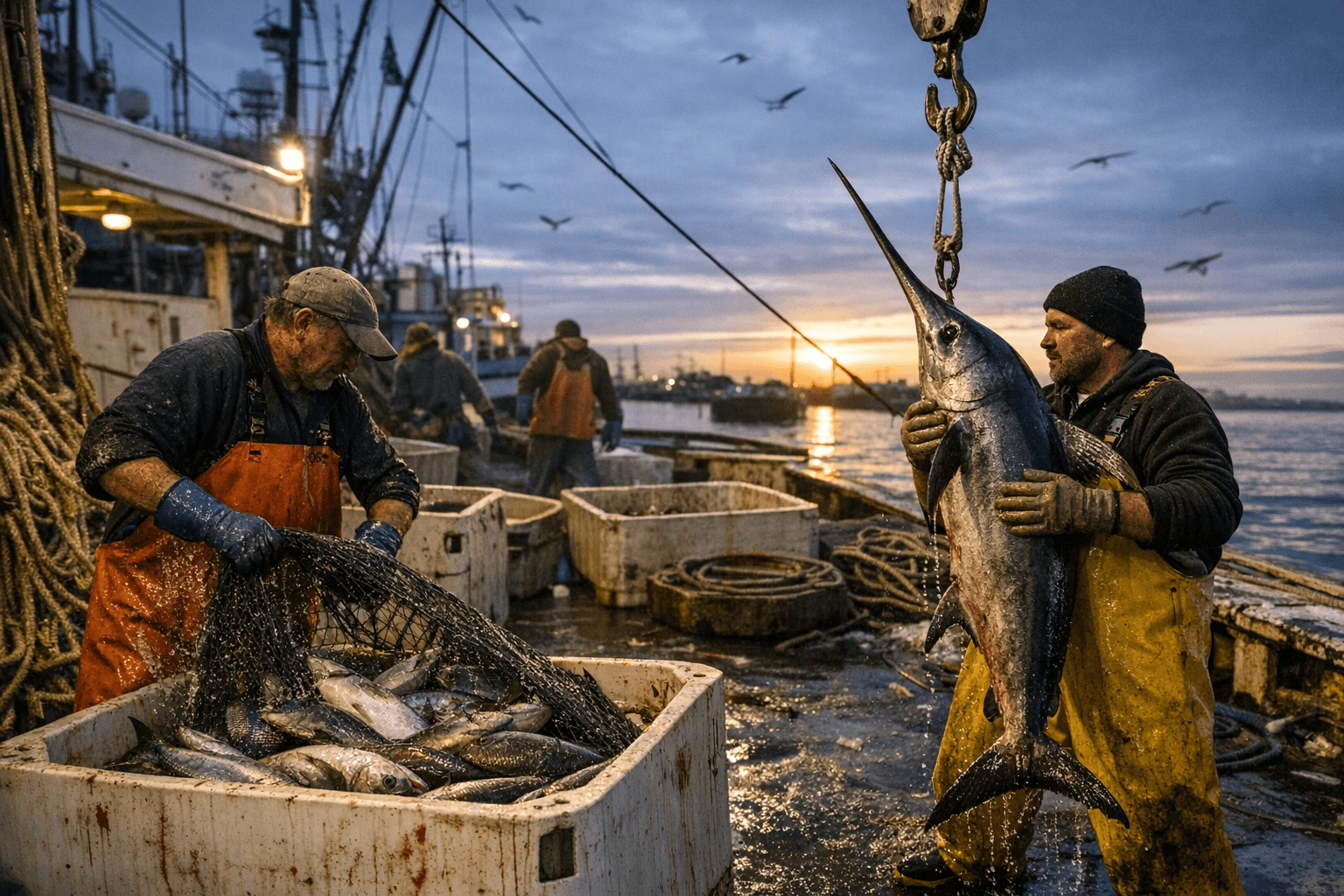
Policy changes remain the hinge. “The Trump administration’s rollback of coal plant emissions standards means that mercury is on the menu again,” the line reads, and experts warn that an EPA decision to ease controls could mean measurable increases in atmospheric mercury that ultimately bioaccumulates in apex predators like tuna, sharks, and swordfish. Fish lower on the food chain, like salmon, remain the safer choices in the short term while regulators, processors, and anglers watch for changes in sampling data and updated FDA guidance.
Know something we missed? Have a correction or additional information?
Submit a Tip