Investigation Links Indonesian Tuna Forced Labour to Australian Seafood Supply
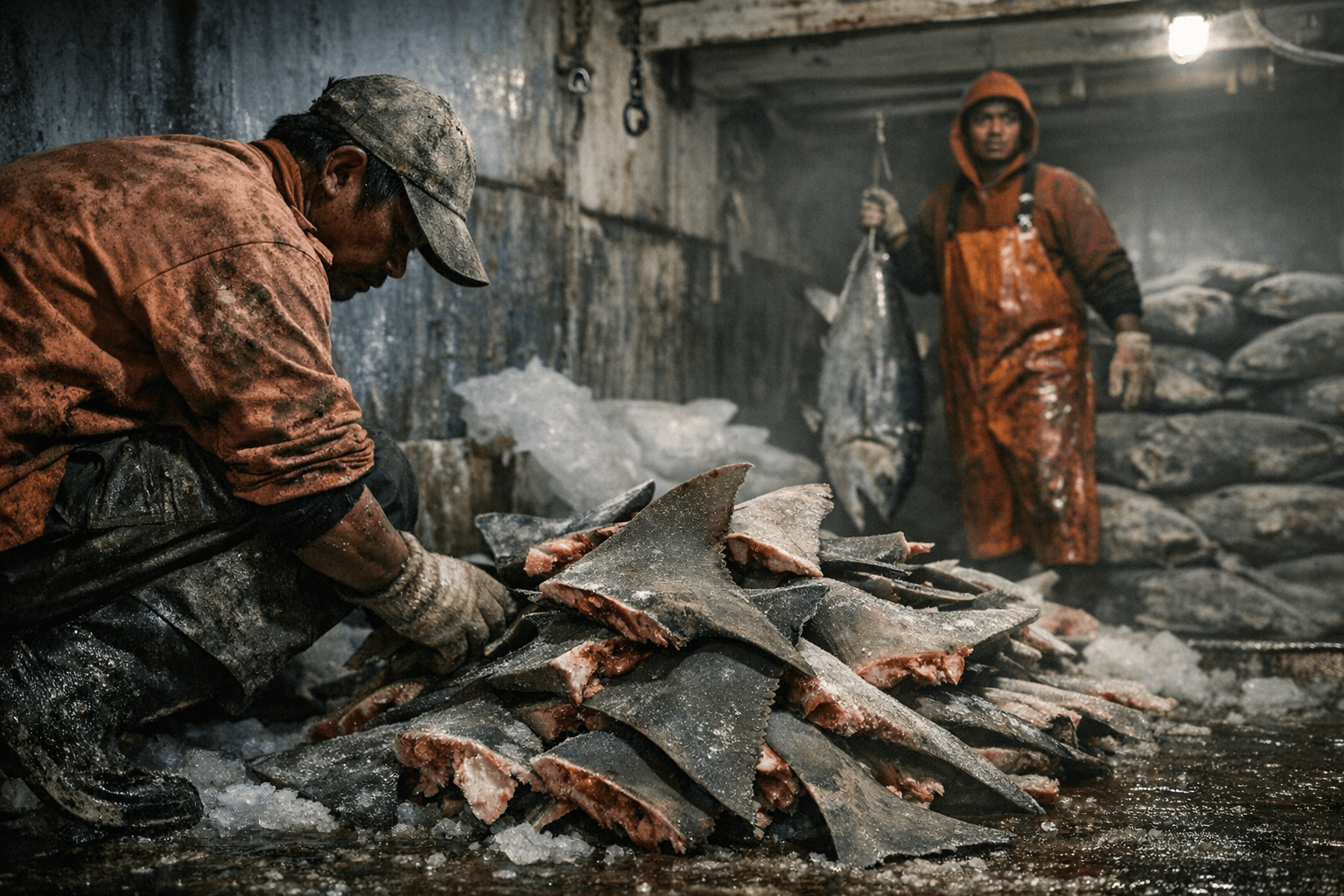
75 kilograms of shark fins from at least 42 sharks were found in the freezer of the Shuen De Ching No.888, a Greenpeace inspection that features in a March 3, 2026 report linking Indonesian vessel practices to Australian tuna supply.
75 kilograms of shark fins from at least 42 sharks were found in the freezer of the Shuen De Ching No.888, Greenpeace Southeast Asia said, a physical discrepancy that underpins wider allegations in the group's new report. The report, released March 3, 2026, asserts links between suspected forced labour on Indonesian tuna vessels and product chains reaching Australian supermarket shelves.
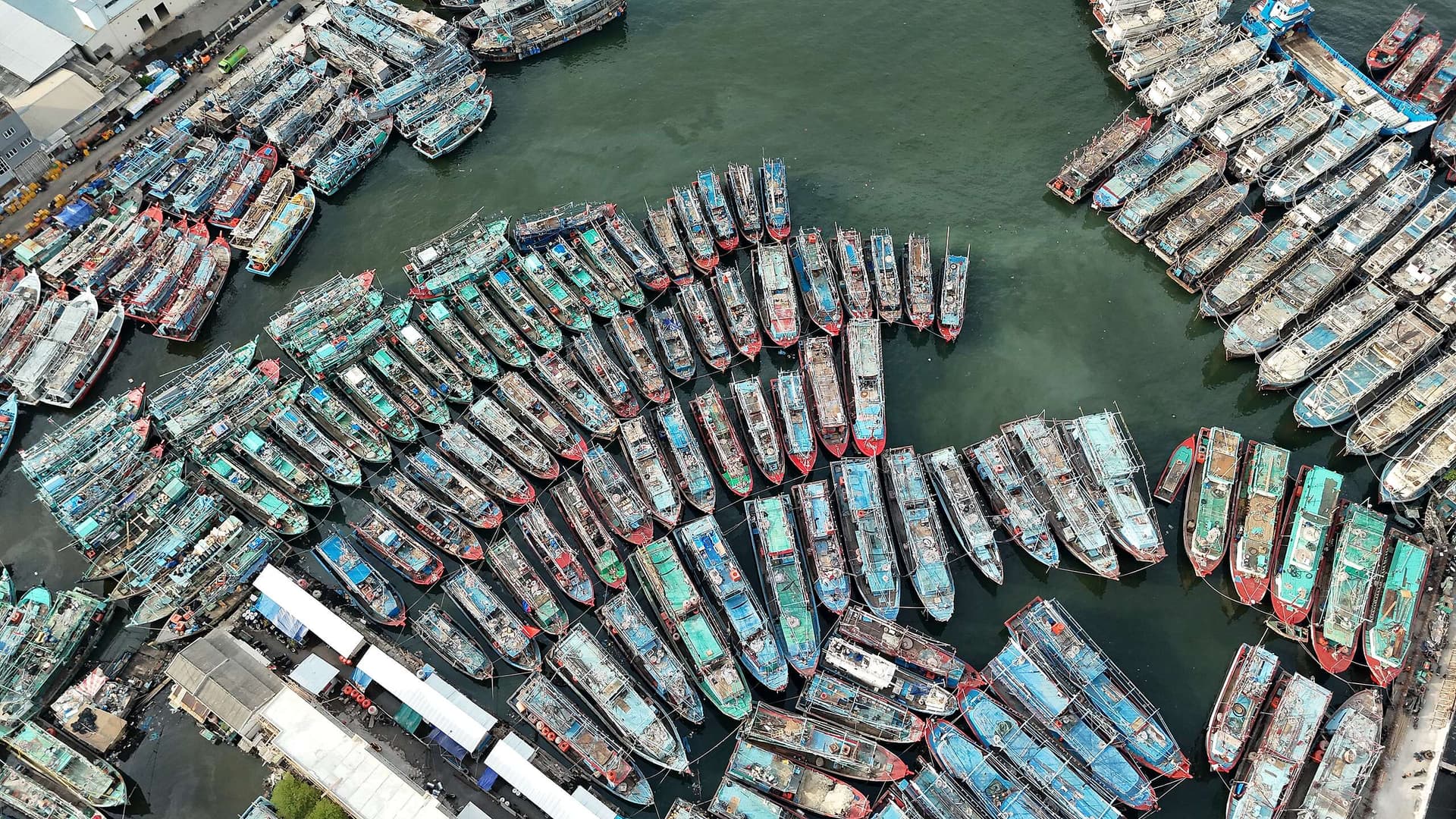
“The investigation analysed testimonies from 25 fishers working on 17 Indonesian tuna fishing vessels that supply the Australian market,” the report states, and traces those 17 vessels to five Indonesian processing companies. These vessels supply five Indonesian processing companies, which in turn export to 18 Australian seafood companies, including major brands seen on our supermarket shelves, the report says — though the supplied press material does not name the five processors or the 18 buyers.
Greenpeace records that interviewees “described experiencing multiple internationally recognised indicators of forced labour,” and the report references the International Labour Organization’s 11 forced labour indicators as its framework. The supplied excerpts stop short of listing which of the 11 indicators were most reported; the report says the indicators were present but does not provide that breakdown in the press material provided.
“Labour exploitation at sea is intertwined with environmental crime. Companies allegedly pushed vessels and fishers to engage in illegal, unreported and unregulated fishing practices, including shark finning and the deployment of illegal fish aggregating devices,” the release states, framing labour and environmental abuses as linked business pressures rather than isolated incidents.
The Shuen De Ching No.888 example is presented as concrete evidence. “75 kilograms of shark fins from at least 42 sharks found in the freezer of the Shuen De Ching No.888. Under Taiwanese law and Pacific fishing rules, shark fins may not exceed 5% of the weight of the shark catch, and with only three shark carcasses reported in the log book, the vessel was in clear violation of both. © Paul Hilton / Greenpeace” Greenpeace attributes the inspection findings and the photographic record to Paul Hilton / Greenpeace.
“The findings raise urgent questions about human rights protections at sea and the integrity of seafood supply chains reaching Australian supermarket shelves,” the report says, and Greenpeace Southeast Asia calls this report its first that directly links alleged indications of forced labour and IUU fishing practices in the Indonesian fishing industry to the Australian tuna market. Greenpeace’s December 9, 2024 Seabound 3 reporting previously connected alleged forced labour to Taiwanese-flagged vessels and to US canned tuna products, with one media summary referencing Bumble Bee.
The Greenpeace global network’s Beyond Seafood Campaign has called for concerted action by all stakeholders and governments along the seafood supply chain to end isolation at sea. “High-quality ocean sanctuaries are good for the ocean and good for people. Governments must work together to protect the high seas, and make sure industrial fishing is not allowed within protected areas,” Greenpeace states.
Photographs credited to Paul Hilton / Greenpeace and additional imagery of an Asian-flagged tuna longliner transshipping to a carrier mothership accompany the release. Contacts listed in the press material include Mark Zirnsak, Senior Social Justice Advocate, Uniting Church in Australia, Synod of Victoria and Tasmania, (/cdn-cgi/l/email-protection), +61 409 166 915, and Vela Andapita, Communications Coordinator for Beyond Seafood Campaign, Greenpeace Southeast Asia, (/cdn-cgi/l/email-protection), +6281-7575-9449. The report raises clear next steps for investigators: obtain the full report annex naming the 17 vessels, the five processors and the 18 Australian buyers, verify chain-of-custody for the Shuen De Ching No.888 evidence, and seek responses from Indonesian, Taiwanese and Australian authorities.
Know something we missed? Have a correction or additional information?
Submit a Tip