Coast Guard Helicopter Rescues Two People and Pets from 40-foot Catamaran
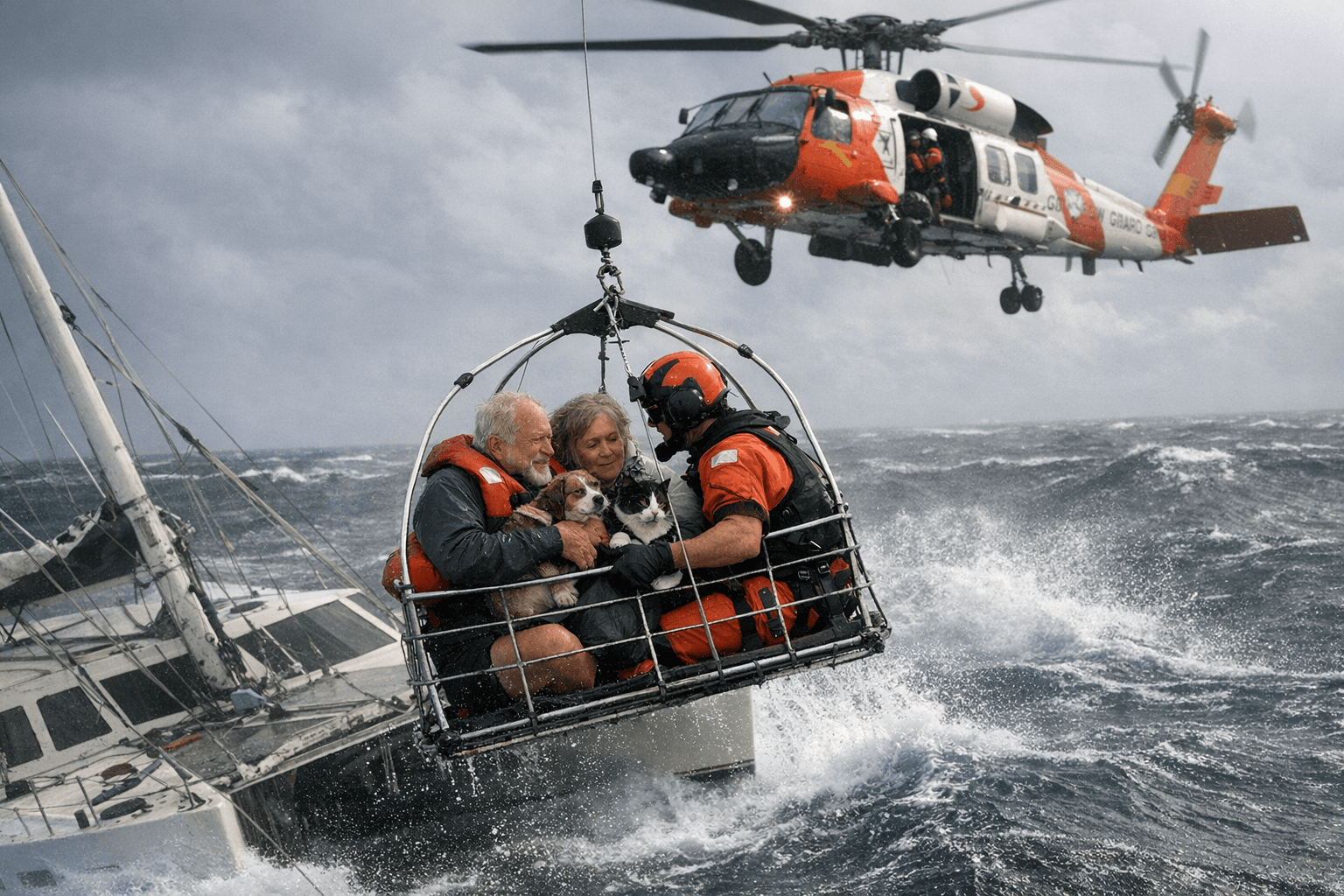
Coast Guard MH-60 crews rescued two people and their cat and dog from a disabled 40-foot catamaran about 65 miles off Cape Hatteras after EPIRB activation amid 18-foot seas.
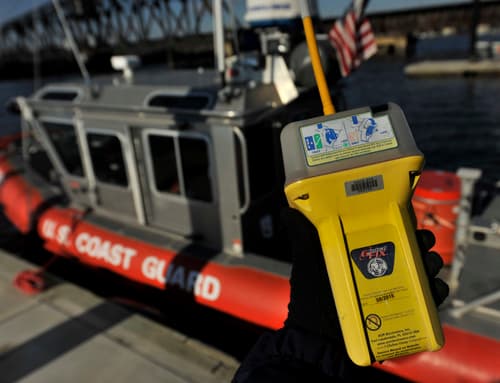
A routine offshore cruise turned urgent when a 40-foot catamaran lost its primary headsail and later developed a small hull leak, forcing the crew to activate their emergency position-indicating radio beacon (EPIRB). The distress signal prompted an MH-60 helicopter from Air Station Elizabeth City to reach the scene roughly 65 miles southeast of Cape Hatteras, where crews swam to the disabled multihull and hoisted two people and their cat and dog to safety.
The vessel first suffered a torn jib and, while managing reduced sail, took on a slow leak that could not be controlled as conditions worsened. Seas were reported near 18 feet, creating a high-risk environment for on-deck work and recovery. With the onboard situation deteriorating, the EPIRB activation provided a clear, immediate position for search-and-rescue units and allowed the helicopter crew to task and execute a hoist operation rather than risk a long tow or surface transfer in heavy seas.
This rescue underscores several lessons for catamaran owners and operators. First, reliable emergency activation devices matter; a functioning EPIRB allowed responders to locate the boat quickly in a wide search area. Second, sail-handling failures and small hull breaches are common failure modes for cruising cats — inspect jib hanks, sheets, and tacks regularly, and maintain a conservative sail plan when seas build. Third, pet preparedness is practical seamanship: securing animals, having pet carriers or harnesses accessible, and thinking through where animals will be during a hoist can facilitate a smoother rescue.
Multihull operators should also take note of gear redundancy and damage-control basics. Carrying appropriate patching materials, high-capacity bilge pumps, a handheld VHF with DSC capability, and a well-stocked ditch bag with documents and pet supplies can make a difference between a manageable aftermath and an evacuation. Regularly exercise emergency drills with crew so that everyone knows roles during an EPIRB activation and hoist scenario.
The region has seen a cluster of different incidents recently, from lifeguard capsizes to drone-assisted shore rescues and passenger-boat evacuations, each offering practical takeaways for small-boat and multihull communities. Those events collectively highlight the value of situational awareness, modern communications, and local SAR capabilities.
For catamaran owners, the immediate takeaways are simple: check rig and hull fittings before offshore passages, verify EPIRB registration and battery status, plan for pet contingencies, and monitor sea-state forecasts closely. As the community heads into the next cruising season, those routine checks and preparations will keep more crews on deck and off rescue manifests.
Sources:
Know something we missed? Have a correction or additional information?
Submit a Tip