Coast Guard rescue crews may suffer brain injuries, but go unscreened
Repeated wave slams may be injuring Coast Guard rescue crews’ brains, but the service has no systematic screening or response protocol.
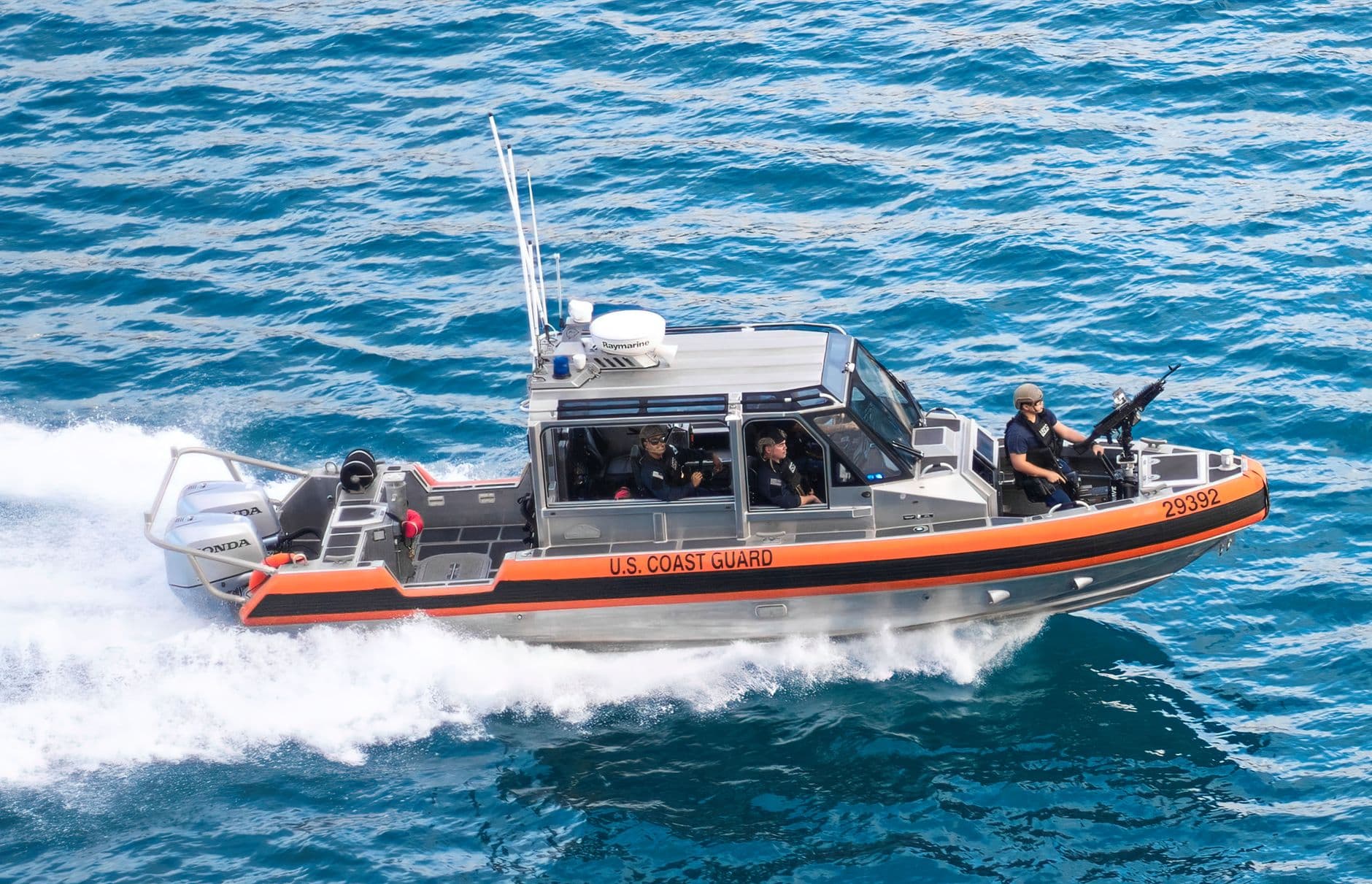
Coast Guard rescue boat crews are being hit by waves hard enough to raise signs of brain injury, yet the service is not systematically screening them, a New York Times investigation published July 30 found. The gap matters well beyond individual health: it affects crew readiness, retention and the safety of the missions these crews carry out in the roughest water.
The concern is not isolated to one service or one study. A 2022 paper in PubMed Central, “Does Military High-speed Boat Slamming Cause Severe Injuries and Disability?”, described a study of 84 active-duty operators and crew aboard French Special Forces high-speed boats in which 67 percent, 56 of 84, had experienced at least one injury. That research adds to a broader warning that repeated slamming in high-speed craft can produce real physical harm, not just soreness after a rough run.

Inside the Coast Guard’s own health system, there is a Traumatic Brain Injury Program page under CG-1121, part of the Office of Operational Medicine and Quality Improvement Division. But public-facing materials do not show a routine screening program aimed at rescue boat crews and surfmen who absorb repeated wave impacts while working on the water.
The service has also acknowledged related risks in other settings. A concussion-awareness document tells personnel, “You might have had a concussion. Know the symptoms.” A 2017 study in Frontiers in Psychology found stress-related mental health symptoms among Coast Guard personnel serving at boat stations, with PTSD and major depressive disorder rates comparable to those in larger military services after adjustment. A 2013 Coast Guard behavioral health report said participation in the 2008 and 2011 HRB studies established scientifically valid and reliable baseline information across a broad range of health and behavioral measures.
That history makes the current blind spot harder to dismiss. Earlier reporting on Coast Guard boat-crew fatigue standards found the rules were built around wave heights and time under way, but did not account for post-trauma stress. The Coast Guard rescue swimmer career path, known as Aviation Survival Technician, is built around saving lives in dangerous seas, yet the service’s public materials still point more clearly to awareness and general behavioral health than to systematic brain-injury surveillance.
The stakes are visible in the Coast Guard’s own mishap history. The National Transportation Safety Board investigated the August 8, 2022 collision between the cutter Winslow Griesser and the center-console boat Desakata near Dorado, Puerto Rico, a reminder that boat operations can turn violent fast. For crews on the Washington coast, the Pacific coast of the United States and beyond, the question is whether the service will treat repeated wave impact as a brain-injury hazard before more crews are left to absorb it without formal screening.
This article was produced by Prism’s automated news system from verified source data, official records, and press releases, then run through automated quality and moderation checks before publishing. The system is built and supervised by the people who set the standards it runs under. Read our full AI policy.
Did this article answer your question?