Coast Guard warns shutdown may trigger more station utility outages
Several Coast Guard stations lost power, water or gas as shutdown bills piled up, raising fresh fears about whether rescue crews can stay mission-ready.
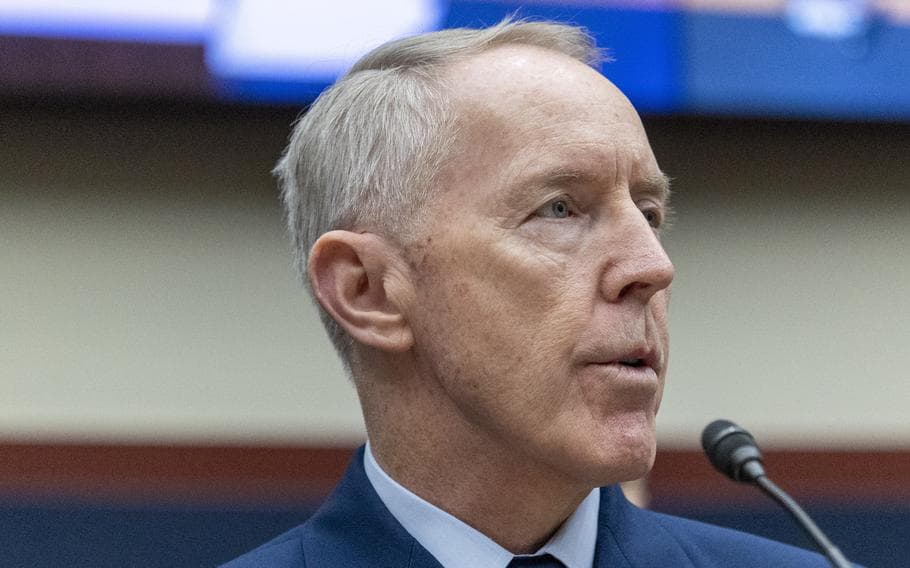
Several Coast Guard stations across the country recently lost power, water or gas, a sign that the shutdown is no longer just a budget fight but a direct threat to the service’s ability to keep lifesaving posts running. Adm. Kevin Lunday said the utilities were restored for now, but he warned that more outages could follow as the Department of Homeland Security funding lapse drags on.
The warning lands at a critical moment for a service that sits on the front line of search and rescue, maritime law enforcement and disaster response. Coast Guard stations and air stations depend on electricity, water and gas to keep crews housed, fuel systems functioning and operations ready around the clock. When a station loses utility service, even briefly, it can slow the work that keeps crews prepared to launch at sea and respond to emergencies on shore.
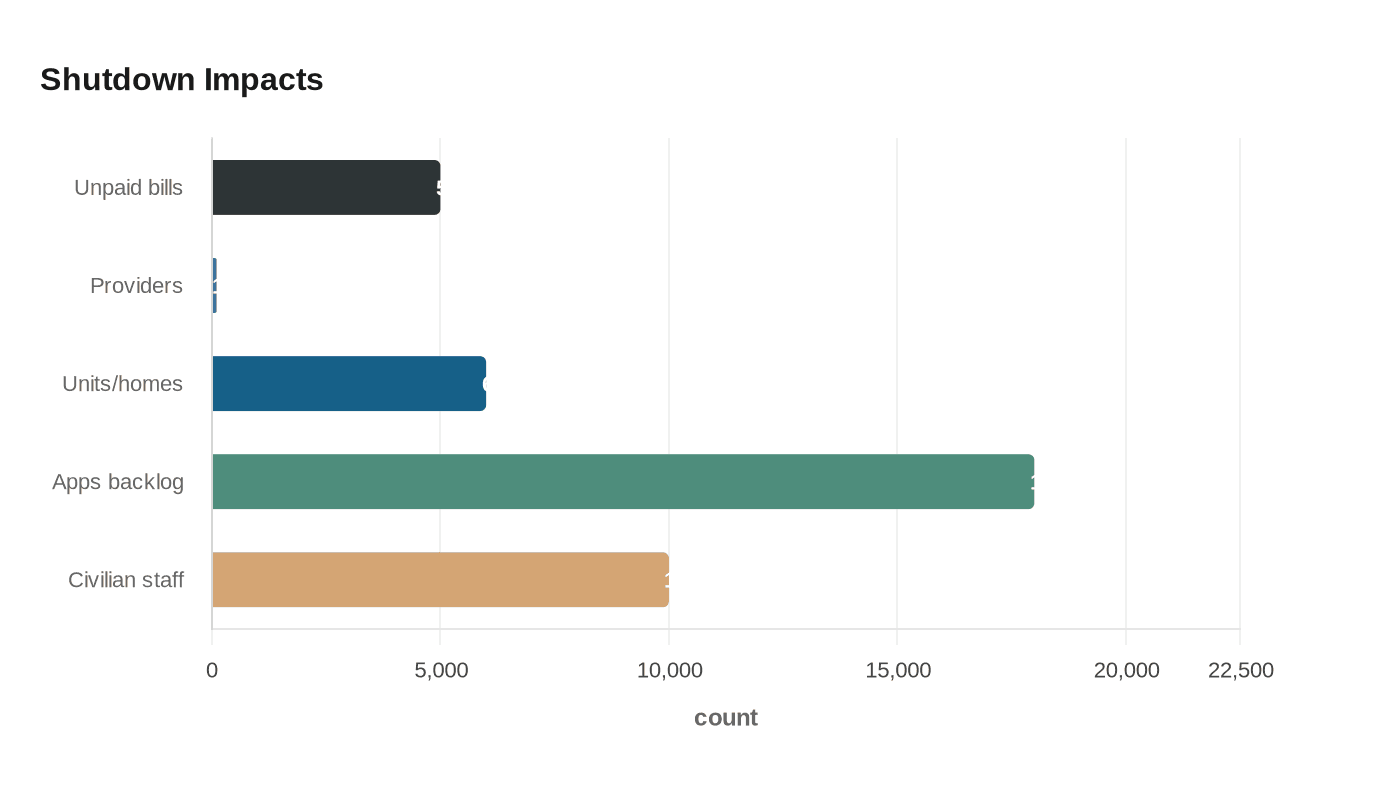
The shutdown began on Feb. 14, 2026, and by April 28 Coast Guard leaders were describing the situation as Day 74. Lunday said the service had more than 5,000 unpaid utility bills, and more than 100 utility providers had threatened to cut off electricity and water to Coast Guard stations and air stations. More than 6,000 Coast Guard units and homes were also said to be in danger of having utilities shut off, underscoring how widely the strain had spread through the service’s footprint.
The readiness problem reaches beyond power lines and water pumps. Coast Guard leaders said the shutdown had created a backlog of about 18,000 Merchant Mariner credential applications, halted non-emergency operations and hurt maintenance and recruiting. Nearly 10,000 civilian employees have gone without full pay during the lapse, adding financial pressure to a workforce already carrying the burden of keeping ships, aircraft and shore installations functioning.
For Coast Guard families and personnel, the consequences have been both practical and personal. Public accounts from service members and their families have described financial strain and growing anxiety as bills mounted and paychecks stalled. Leaders have said the damage is cumulative, and that recovery can take days for every day lost in the shutdown. That makes the latest utility failures more than an inconvenience. They point to a deeper fragility across military and homeland-security infrastructure, where a prolonged lapse in funding can ripple from unpaid bills to degraded readiness to slower response when a call for help comes in from the water.
This article was produced by Prism’s automated news system from verified source data, official records, and press releases, then run through automated quality and moderation checks before publishing. The system is built and supervised by the people who set the standards it runs under. Read our full AI policy.
Did this article answer your question?


