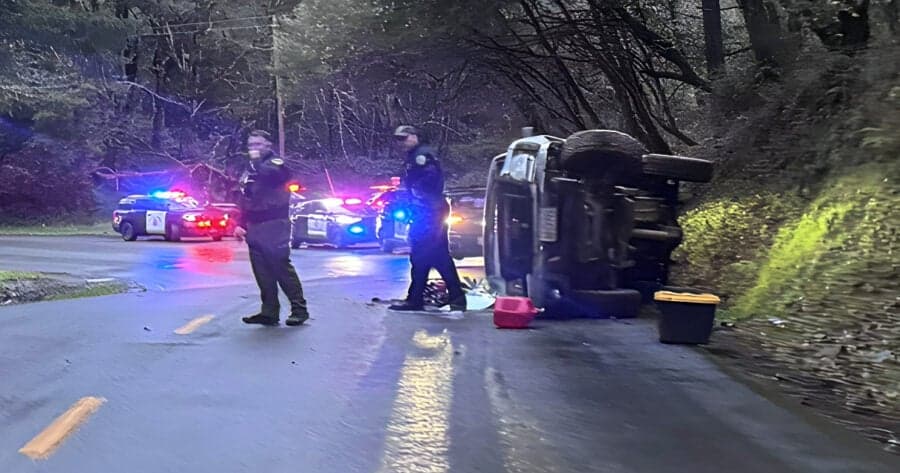
Coastal webinar addressed king tide damage and contaminated soil
A Mendocino coastal webinar on Jan. 15 updated plans for king tide and storm responses and contaminated soil removal. The discussions matter for public health, housing and local infrastructure.
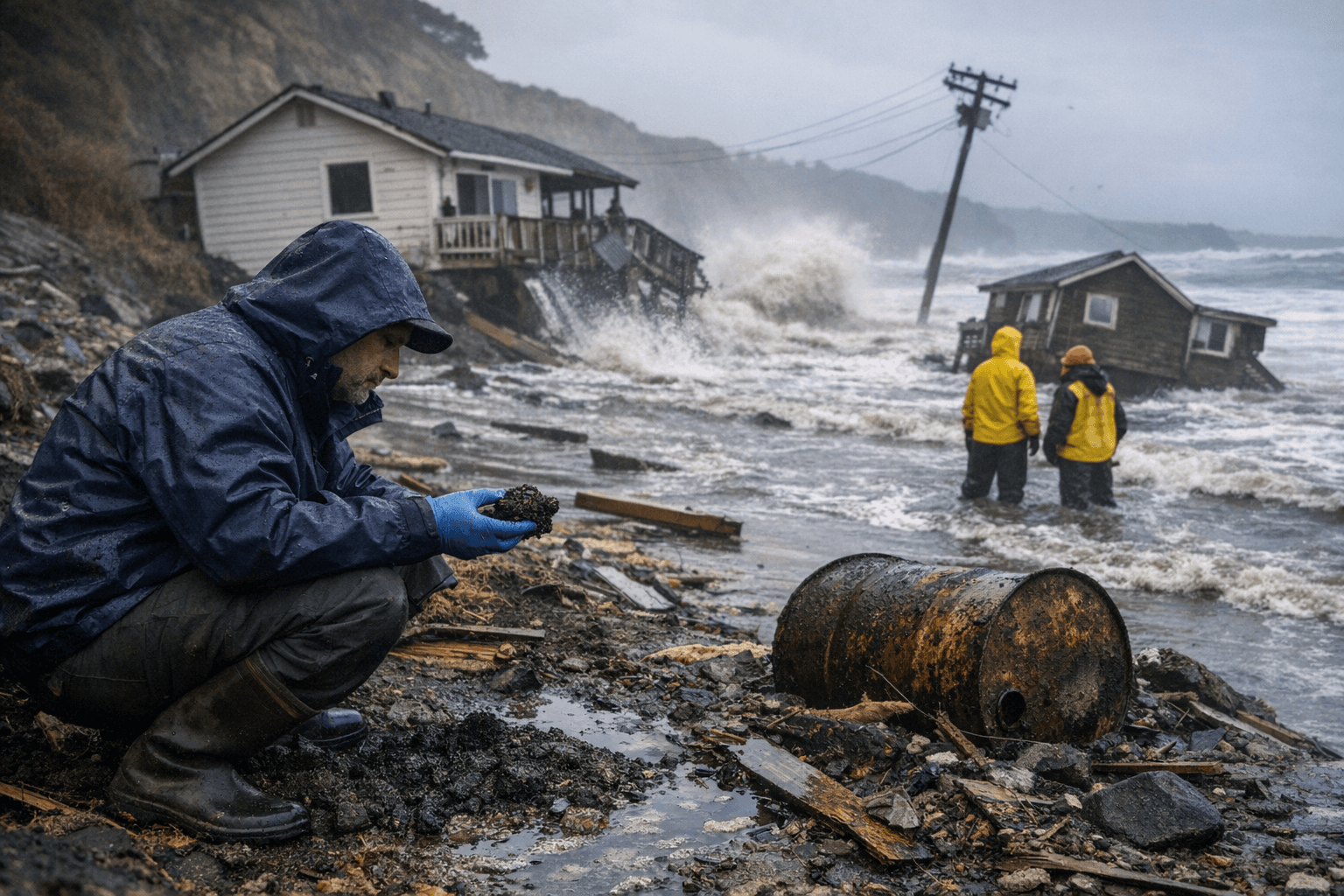
On Jan. 15 the GrassRoots Institute’s Mendocino Vision Workgroup convened a two-hour Coastal Zoom Webinar with state and local agencies to review coastal remediation and planning in the wake of increasing king tide and storm impacts. The meeting focused on short- and long-term responses, including contaminated soil removal and proposals for relocation of at-risk sites.
The GrassRoots Institute’s Mendocino Vision Workgroup’s next Coastal Zoom Webinar with state and local agencies will be next Thursday, January 15, 2026 from 3 pm to 5 pm.
Organizers presented updates on agency assessments of shoreline erosion, storm surge impacts and areas where contaminated soils have been documented or are suspected. Conversations ranged from emergency response to longer-term coastal management, with particular attention to where removal of contaminated soil and potential relocation could intersect with residents’ health, housing stability and tribal and low-income community interests.
For Humboldt County residents, the forum underscored connections between coastal planning and public health. Contaminated soils can pose direct risks through dust and runoff that reach drinking water and harvest areas, while repeated flooding from king tides and storms can mobilize pollutants and damage septic systems and critical infrastructure. Relocation proposals, meanwhile, raise equity questions about who bears the burden of moving, who receives compensation or support, and how to preserve community ties and cultural sites.
The webinar brought multiple agencies into the same conversation so technical remediation plans are considered alongside social and health impacts. Presenters emphasized that remediation and relocation are not only engineering problems but public health and housing policy issues, requiring coordination on funding, emergency services, and long-term care for displaced or at-risk residents.
Organizers provided Zoom join information and encouraged community participation; community members were invited to raise concerns about specific sites, health effects and access to resources. While this session offered updates, it also highlighted gaps that persist: clear timelines for cleanup, concrete relocation assistance, and targeted supports for medically vulnerable residents and tribal communities who may face disproportionate impacts.
For local readers, the webinar signals that coastal risks are being translated into policy conversations but that outcomes will depend on sustained community engagement and funding decisions. Expect follow-up meetings and agency reports as remediation plans move forward. Residents should track announcements from the GrassRoots Institute and local agencies, document site-specific health or housing concerns, and seek assistance through county public health and emergency services if they face contamination or displacement risks.
Sources:
Know something we missed? Have a correction or additional information?
Submit a Tip