Coca-Cola’s fairlife resumes production after cyberattack at four U.S. plants
Fairlife restarted output at four U.S. plants after a ransomware breach halted production, underscoring how a cyberattack can stop food manufacturing.
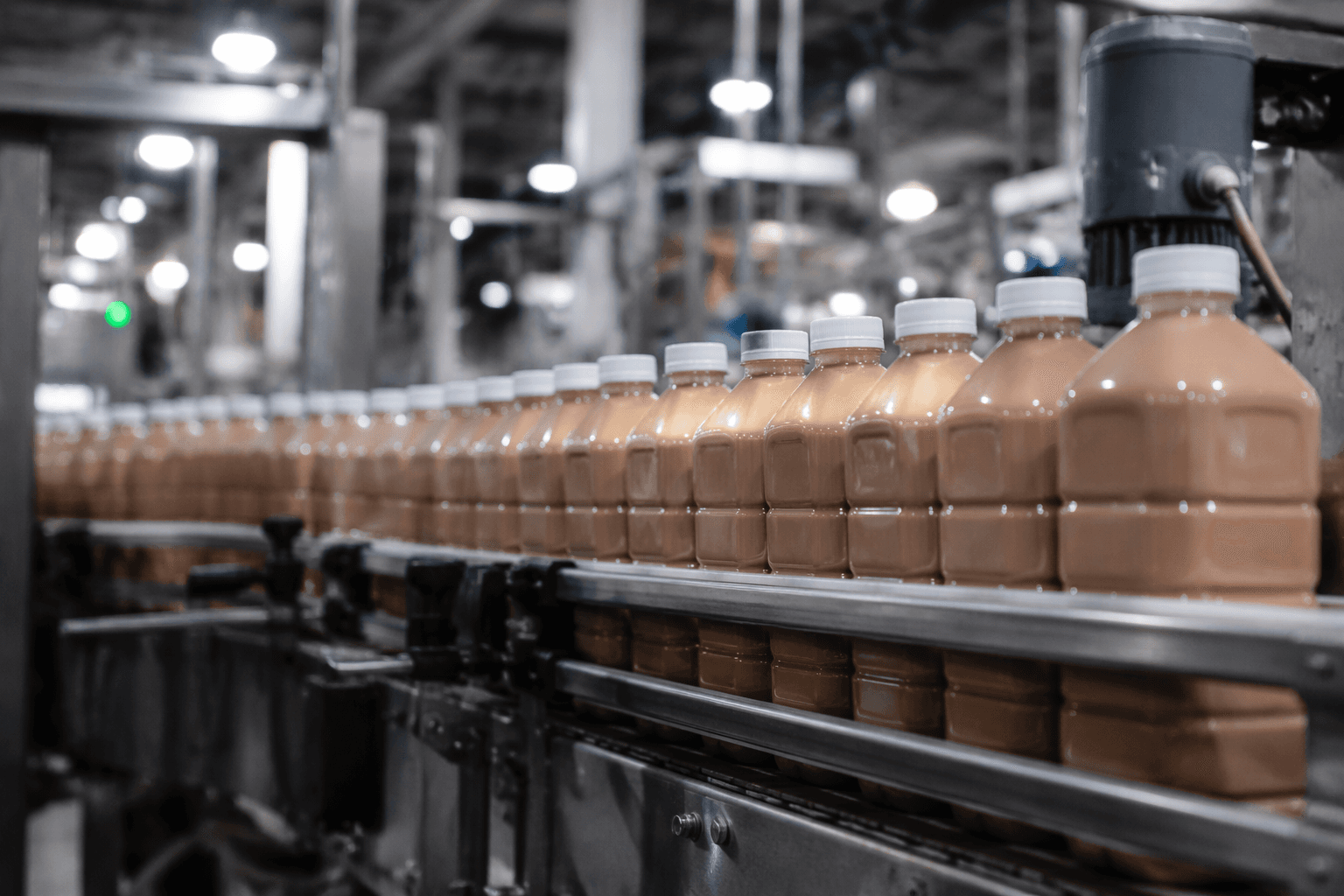
Coca-Cola said fairlife had resumed production at four U.S. plants after a cyberattack disrupted operations, bringing the dairy brand back online after a ransomware breach hit production-related systems. The company disclosed on July 16 that fairlife, LLC had identified unauthorized third-party access to part of its systems and activated its incident response and business continuity protocols.
The shutdown briefly took one of Coca-Cola’s faster-growing dairy businesses offline in the United States. Fairlife paused U.S. production after the breach, while Canadian production facilities continued uninterrupted, and the company said product quality and safety were not affected. The restart suggests the disruption was contained quickly enough to restore manufacturing across a network that depends on tightly coordinated production, processing and distribution.
The stakes go well beyond a single factory floor. Fairlife sells milk-based and high-protein dairy products that move through refrigerated supply chains, where even a short interruption can affect inventory at warehouses and retail stores. A cyberattack that reaches production systems can delay packaging, scheduling and logistics as well as the flow of finished goods, turning a digital intrusion into a physical supply problem.
The impact was also local. Fairlife employs hundreds of people at its plant in Coopersville, Michigan, making the outage more than a corporate IT problem and tying it to a regional manufacturing workforce. The plant’s return to operation, along with the other three U.S. sites, showed how quickly a food producer may need to shift from containment to recovery when connected systems are compromised.
For Coca-Cola, the episode was a test of whether a consumer staples brand can restore output without shaking confidence in its supply chain. The company’s July 16 disclosure, the U.S. production pause and the July 27 restart traced a short but disruptive cycle that now defines cyber risk in food manufacturing. As more plants rely on digital controls, the vulnerability exposed at fairlife looks less like an isolated breach and more like a template for how modern food production can be interrupted.
This article was produced by Prism’s automated news system from verified source data, official records, and press releases, then run through automated quality and moderation checks before publishing. The system is built and supervised by the people who set the standards it runs under. Read our full AI policy.
Did this article answer your question?