LVMH sales rise as U.S. demand offsets Iran war hit
A 6% jump in U.S. demand helped LVMH lift quarterly organic sales 3% to €19.5 billion, even as the Iran conflict trimmed growth in fashion and leather goods.
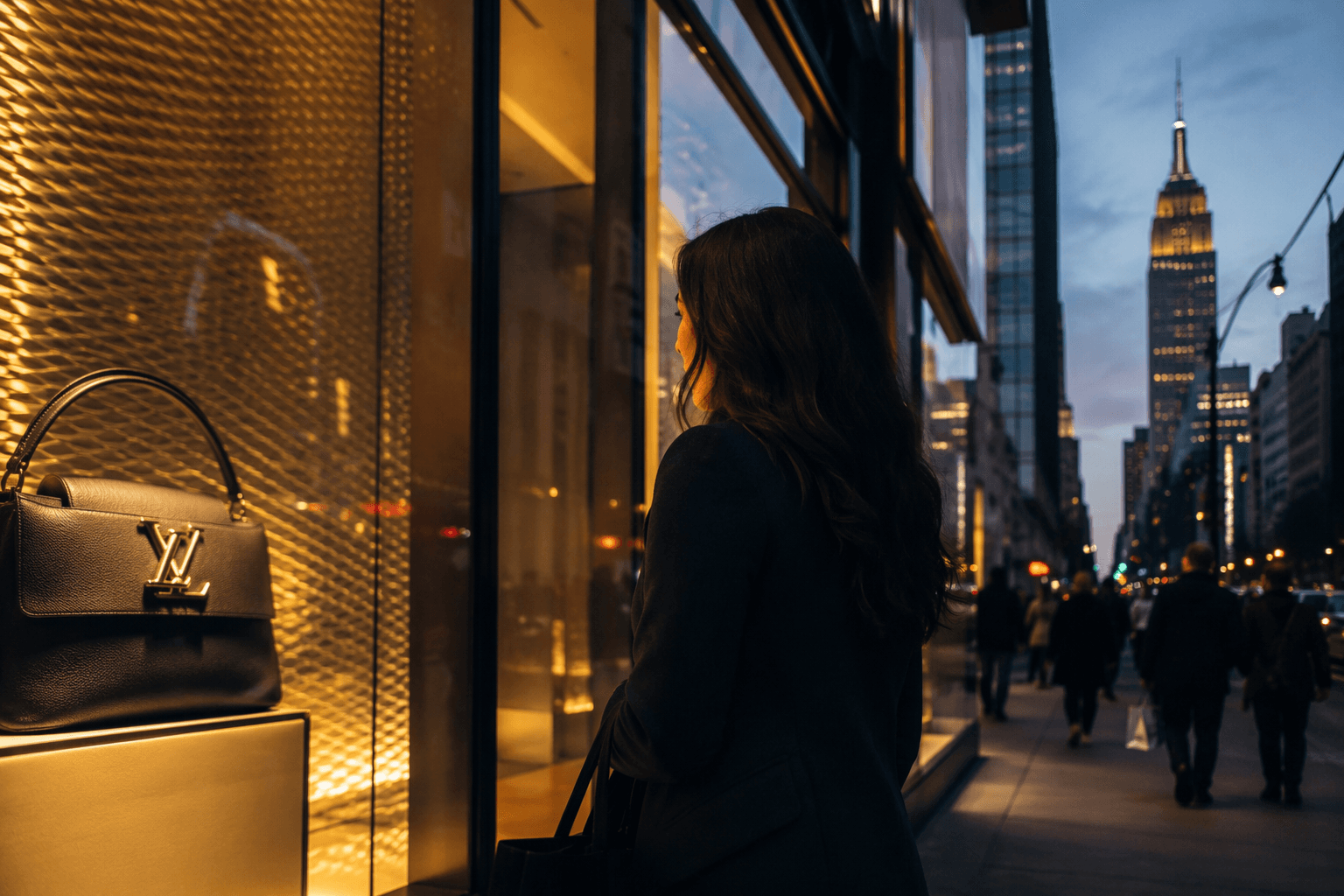
LVMH said second-quarter organic sales rose 3% to €19.5 billion, with a 6% increase in U.S. demand helping offset weaker spending in Europe and a hit from the Iran conflict. The numbers offered a sharp read on the luxury market: affluent American shoppers were still buying, while war-related disruption and softer tourism continued to weigh on other regions.
The conflict cut growth in LVMH’s fashion and leather goods division by 1 percentage point, a reminder that the group’s biggest business remains exposed to travel flows and regional instability. In April, LVMH said the Iran war had shaved at least 1% off total group sales in the previous quarter, citing lower spending in the Gulf region and fewer tourists in Europe. The company also said mall traffic in Dubai had fallen sharply, a sign that conflict can quickly spill over into luxury retail corridors that depend on international visitors.
For Bernard Arnault’s company, the latest quarter mattered because fashion and leather goods is the group’s core profit engine. That division returned to growth for the first time in two years, while Dior was gaining momentum under a new creative direction. The combination pointed to a business that still has brand power, but one that is being pulled in different directions by geography and category.
The picture was not uniformly strong. In a social-media summary of the July results, the biggest declines in some categories came from China, down 11%, and the U.S., down 3%, with softer demand across beauty, cognac and core fashion lines such as Dior. That split underscores how luxury demand is becoming more uneven, with strength in some pockets masking weakness in others.
LVMH said it is home to more than 75 maisons across six sectors, giving it a broader base than many rivals if one region slows. Even so, the latest update shows how dependent the luxury trade has become on wealthy U.S. consumers at a time when war-exposed markets and tourism-heavy European cities remain vulnerable. If American spending stays firm, it can cushion the group through regional shocks; if it fades, the pressure on luxury sales will sharpen quickly.
This article was produced by Prism’s automated news system from verified source data, official records, and press releases, then run through automated quality and moderation checks before publishing. The system is built and supervised by the people who set the standards it runs under. Read our full AI policy.
Did this article answer your question?