Cockroach Janta Party goes viral as Gen Z protests joblessness
A parody party born from one judge’s cockroach remark pulled millions of Gen Z followers, forcing India’s state to decide whether satire had become a threat.
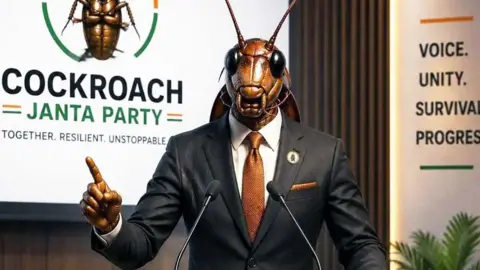
The Cockroach Janta Party turned a burst of online anger into a mass digital movement almost overnight, drawing millions of followers after India’s chief justice, Surya Kant, compared some unemployed young people and activists to cockroaches in an open court hearing. Kant later said he meant people with fraudulent degrees, not India’s youth more broadly, but the backlash had already given Abhijeet Dipke’s parody project its defining spark.
Dipke, a 30-year-old political communications strategist and Boston University graduate and student, started the group as a joke before building a website and social-media accounts around it. The movement branded itself the "Voice of the Lazy & Unemployed" and quickly spread through memes, short videos, AI-generated images and dark humor that tapped into frustration over unemployment, inflation, exam paper leaks and political dysfunction. In three days, its Instagram following was reported at 11.1 million; later counts put it above 14 million, with some reports saying it crossed 15 million and even 20 million. One comparison that captured the scale of the surge put the Bharatiya Janata Party’s Instagram audience at 8.8 million.

The scale of participation went beyond likes and follows. CJP said more than 350,000 people had signed up through a Google form, while other counts put registrations above 6 lakh and as high as 10 lakh before the website was blocked. Supporters framed the cockroach not as an insult but as a symbol of endurance, a darkly comic response to a labor market that has left many young Indians feeling shut out of opportunity.
The viral growth also blurred the line between satire and politics. Opposition figures including Mahua Moitra and former parliamentarian Kirti Azad were reported to have signed up, and other opposition leaders were said to have endorsed the movement. That widening reach appears to have sharpened official concern. The group’s X account was withheld in India in response to a legal demand, and reports said the website was later blocked under Section 69A of the IT Act after directives from the Ministry of Electronics and Information Technology, with inputs from the Intelligence Bureau citing national security and sovereignty concerns.
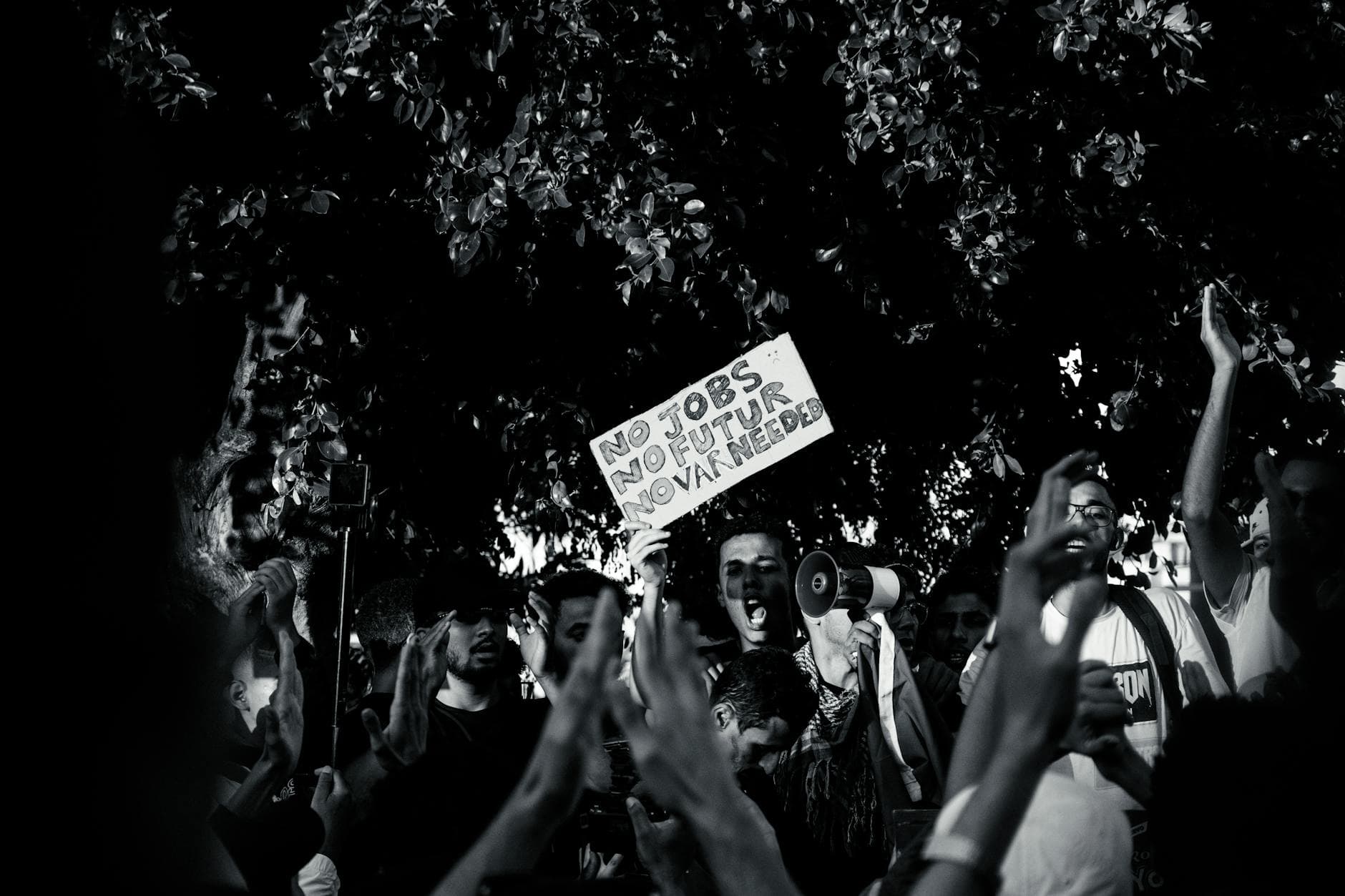
Dipke answered the shutdown by accusing the government of "dictatorial behaviour" and saying the movement would continue. CJP’s manifesto pushed far beyond the joke that started it, calling for a ban on post-retirement Rajya Sabha seats for chief justices, 50% reservation for women in Parliament without enlarging the house, and a 20-year ban on turncoats. What began as online parody has now become a test of how far India will let satire travel before it is treated as politics.
This article was produced by Prism’s automated news system from verified source data, official records, and press releases, then run through automated quality and moderation checks before publishing. The system is built and supervised by the people who set the standards it runs under. Read our full AI policy.
Did this article answer your question?


